
Last updated November 25, 2026
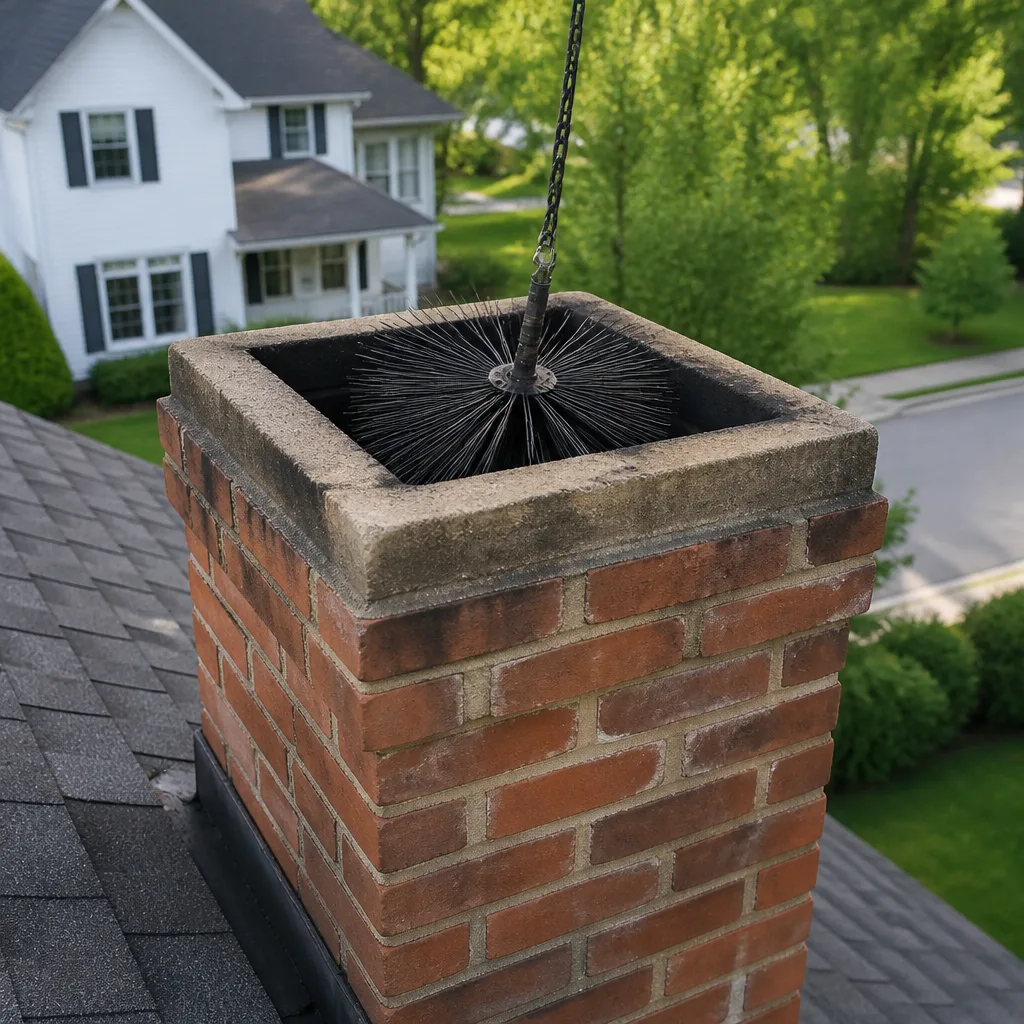 Sweep & inspection
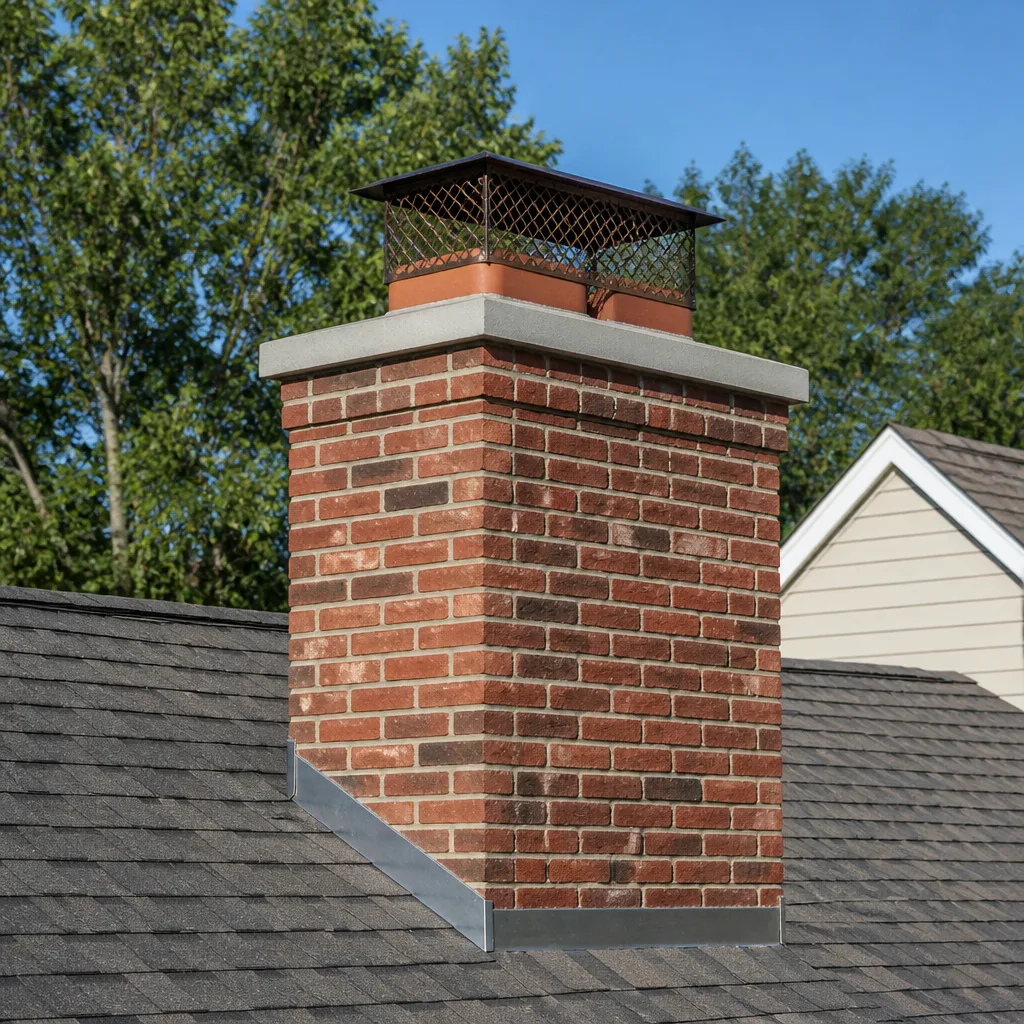 Caps & crowns
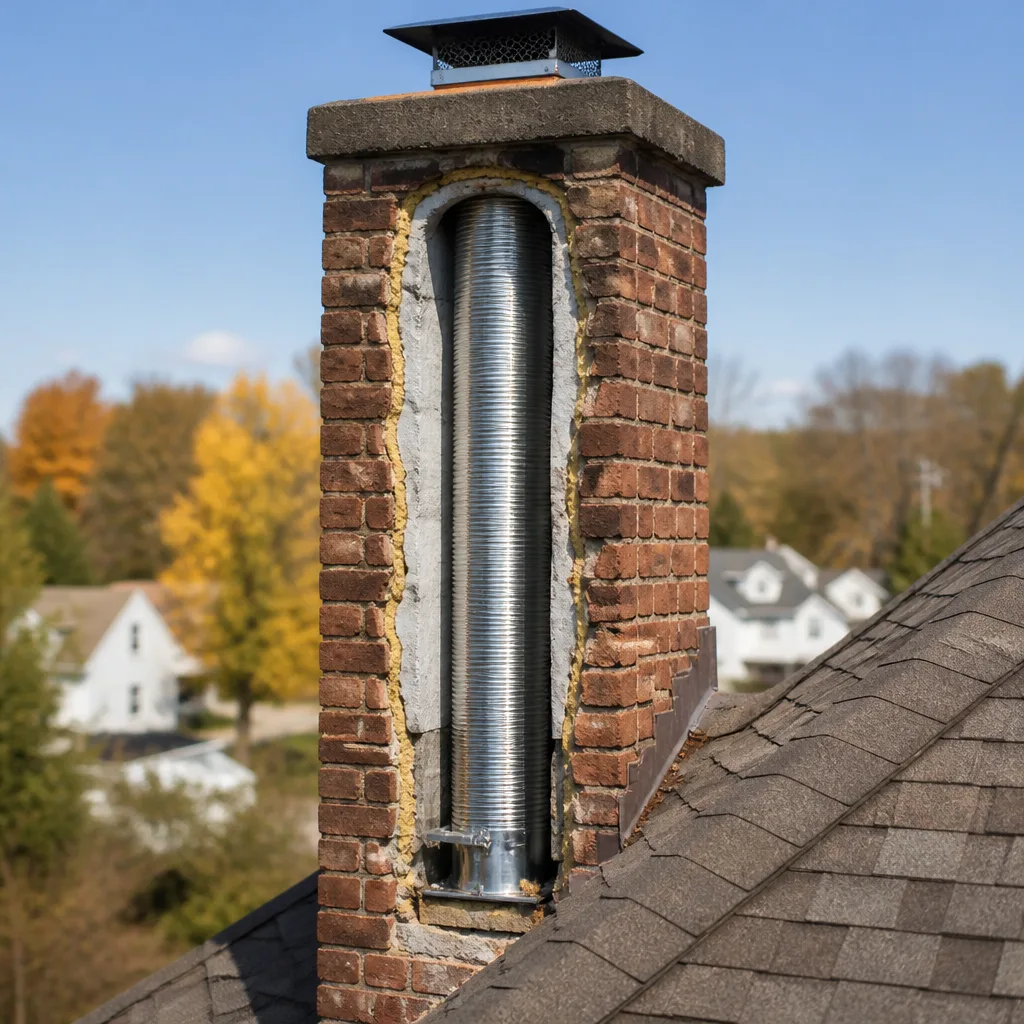 Flue relining
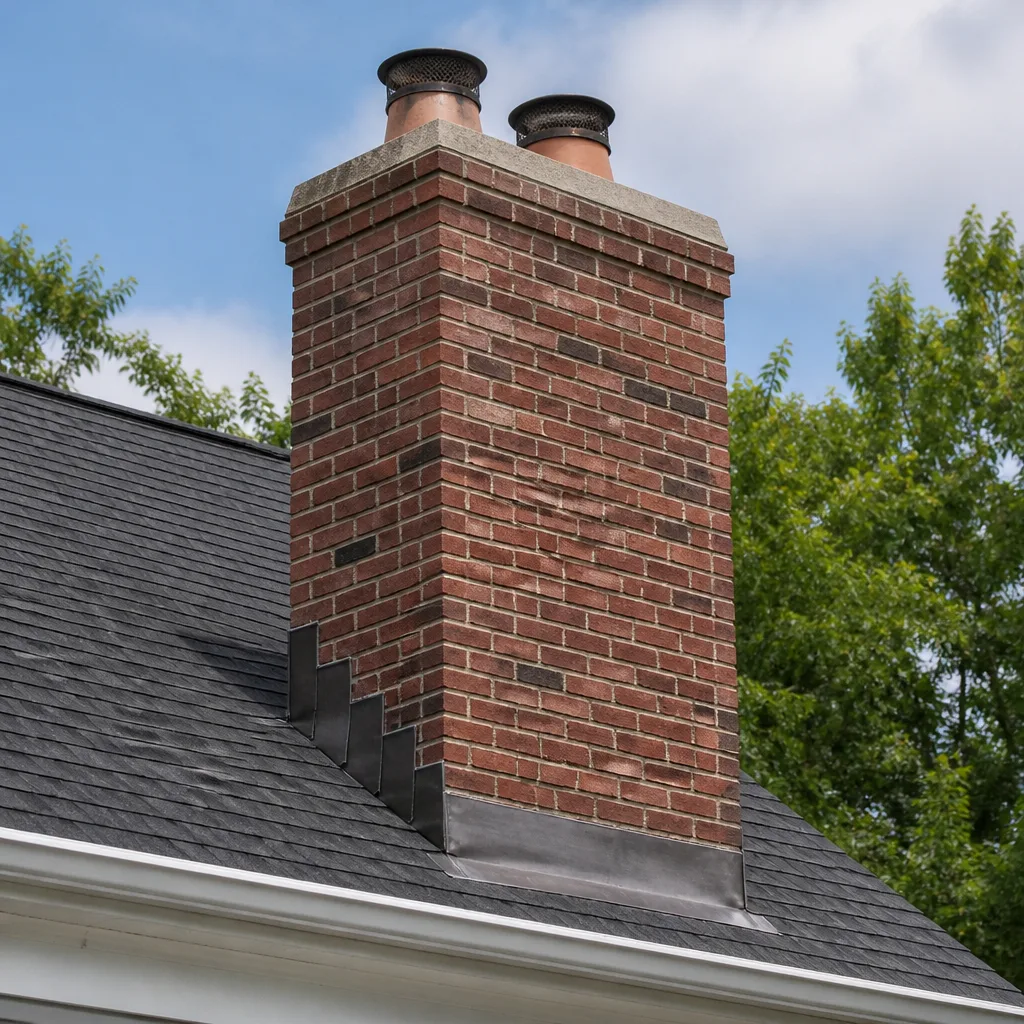 Masonry repair
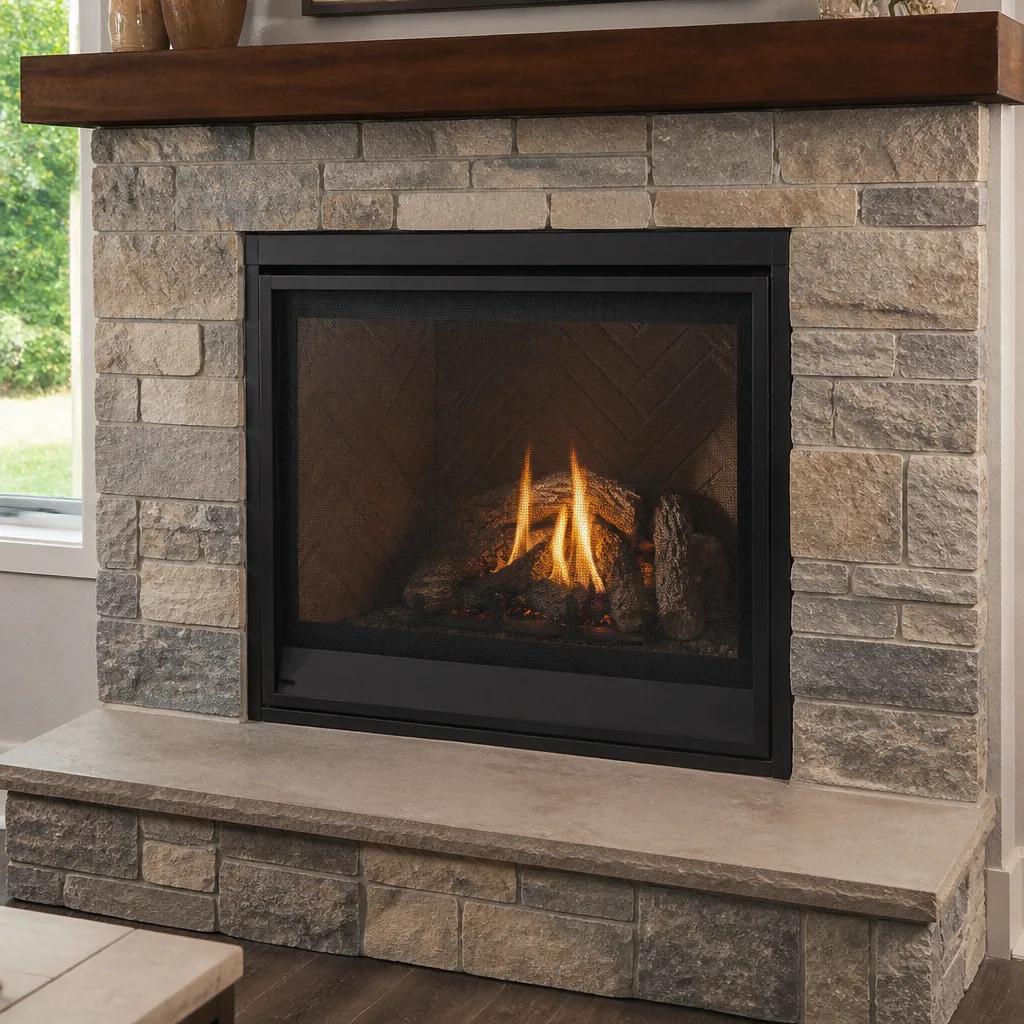 Gas fireplace service
Level 1 sweep and inspection to the NFPA 211 annual standard - flue, crown, cap, and flashing checked and photographed
Chimney sweep logs do not sweep chimneys. They loosen some creosote - which then falls where a brush and vacuum still have to collect it.
How to Hire a Chimney Cleaning Contractor in Harlem: A Step-by-Step Guide
The most dangerous chimney contractor in Harlem is often the one with the nicest website. Chimney sweeping looks simple from the outside – a brush, a vacuum, a ladder – so general handymen, gutter crews, and “chimney” companies that mostly do duct cleaning all list it as a side service. The problem isn’t that they can’t push a brush. It’s that they can’t tell you what they’re looking at. A CSIA-certified sweep isn’t just cleaning carbon; he’s reading creosote staging, checking liner integrity, and spotting a cracked smoke chamber before it becomes a structural repair. Over the next few thousand words, we’ll walk through exactly how to vet a chimney contractor in Harlem – credentials, scope questions, licensing, and quoting – so you hire a specialist, not a guess.
Quick Answer
To hire a chimney cleaning contractor in Harlem, verify the technician’s CSIA certification on the official registry, confirm a current NYC Home Improvement Contractor (HIC) registration through the Department of Consumer Affairs, and ask scope-specific questions about liner material, creosote staging, and smoke chamber condition before booking. A legitimate written estimate follows an in-person inspection and lists every component – sweep, cap and crown, liner – separately. Anything less is a red flag.
Styles & brands we work with
- Sweep & inspection
- Caps & crowns
- Flue relining
- Masonry repair
- Gas fireplace service
Table of Contents
- Why Hiring in Harlem Is Different From Anywhere Else
- CSIA vs. NFI: Which Chimney Credential Actually Matters
- How to Verify Both Credentials in Under 10 Minutes
- NYC Contractor Licensing: The HIC Registration Check
- The 8 Scope-of-Work Questions That Expose Generalists
- What a Legitimate Written Estimate Includes
- Comparing Quotes When the Scopes Don’t Match
- What to Observe During the Visit
Why Hiring in Harlem Is Different From Anywhere Else
Harlem’s chimney stock is a mix, and that mix is exactly why a sweep who “does this on the side” gets into trouble here. The brownstones and rowhouses across Hamilton Heights, Strivers’ Row, and the blocks around Mount Morris Park tend to have masonry chimneys built in the late 1800s and early 1900s, often with original flue tiles that have been patched, relined, or ignored over many decades. Those old tile liners don’t fail dramatically. They crack at the joints, spall underneath, and slowly let creosote soak into the surrounding masonry. A generalist brush job won’t catch that.
Then there are the newer conversions – apartment buildings and gut-renovated townhouses where a wood-burning fireplace has been swapped for gas logs or a gas insert without anyone resizing or inspecting the flue. Gas burns cleaner than wood, but a gas appliance vented into an oversized flue cools too quickly, condenses, and can create a different set of problems: moisture, masonry decay, and draft failure. The sweep has to know the difference between a wood flue that needs scraping and a gas flue that needs a liner.
That’s before you get to the classic Harlem weather reality. Cold winters, driving rain, and freeze-thaw cycles push water into every crack in a crown or mortar joint. By the time a homeowner notices a stain on the ceiling, the water has usually been working for years. Catching it early is the whole point of an annual inspection – and it’s the reason a proper chimney sweep is never just a cleaning.
In our experience, the sweep call that turns into a repair call is the rule here, not the exception. That’s also why homeowners who hire a generalist end up on the phone with a second contractor within a few weeks.
CSIA vs. NFI: Which Chimney Credential Actually Matters
Two acronyms dominate the chimney trade, and homeowners routinely confuse them. The CSIA – Chimney Safety Institute of America – certifies chimney sweeps and inspectors. It requires roughly 100 hours of study, a proctored exam, and continuing education to maintain. The NFI – National Fireplace Institute – certifies installers and technicians who work on the appliance side: gas, wood, and pellet hearth products. Both are legitimate. They cover different sides of the trade.
For a routine cleaning and inspection, the CSIA credential is the one that matters. It signals the technician was trained to inspect to NFPA 211 (the national standard for chimneys, fireplaces, vents, and solid fuel appliances) and understands what a compliant chimney looks like. NFPA 211 is also the standard your homeowner’s insurance company will reference if you ever file a claim related to a chimney fire.
For an installation – a new gas insert, a wood stove, a pellet appliance – NFI is the relevant credential. A technician holding an NFI gas certification has been trained on the venting and clearance requirements specific to that appliance class.
How the credentials map to the work
- Annual sweep and inspection: CSIA-certified sweep, trained to NFPA 211.
- Gas or wood appliance installation: NFI-certified installer for that fuel type.
- Liner replacement or restoration: CSIA-certified, with documented experience in the specific liner system being specified.
- Structural repair and masonry: CSIA inspection plus proven masonry capability – this is where the sweep-repair split matters most.
Neither credential is a legal requirement in New York State. That’s the uncomfortable truth. But the absence of either one on request tells you something important about how the contractor sees the trade. If a company can’t produce a CSIA number, ask why. Sometimes the answer is honest (“we’re in the process”). Sometimes it’s a deflection. Either way, you have information.
How to Verify Both Credentials in Under 10 Minutes
Anyone can print “CSIA certified” on a website. Verification takes ten minutes and eliminates roughly half the contractors who claim it. Follow these steps in order.
- Ask for the technician’s full name and CSIA number before booking. Not the company’s, not the office manager’s – the specific person who will be at your house.
- Look the number up on the CSIA’s online directory. The registry lists certified sweeps by name and state. If the name doesn’t appear, the certification has lapsed or never existed.
- If the company also installs appliances, ask for the NFI certificate separately. NFI maintains its own searchable registry. The two credentials are not interchangeable.
- Check that the certification is current. CSIA certification requires renewal. A sweep who “used to be certified” is not certified.
- Confirm the technician doing the work is the certified one. Some companies send a certified technician to write the estimate and an uncertified helper to do the sweep. Ask directly: “Will the CSIA-certified technician be the one doing the inspection?”
That last point matters more than it sounds. The inspection is the whole value of the visit. If the certified technician does the inspection but an apprentice does the sweep, the report is still valid – but if the reverse happens, you’re paying for a cleaning with no findings attached.
While you’re verifying, also check whether the technician has documented experience with heat-rated liner systems. Ask specifically what brand of liner they specify and why. A sweep who names chimney repair as a service but can’t speak to HeatShield versus DuraFlex with any precision is a sweep, not a repair specialist – and for a chimney that may need restoration, that distinction matters.
NYC Contractor Licensing: The HIC Registration Check
New York City has its own layer of oversight that applies to any contractor doing home improvement work – and chimney work counts. The relevant credential is the Home Improvement Contractor (HIC) registration, issued by the NYC Department of Consumer Affairs (DCA). A contractor performing home improvement work in the five boroughs without a current HIC registration is operating outside the law.
Checking it is straightforward. The DCA maintains an online license lookup where you can search by business name or registration number. Any legitimate chimney contractor operating in Harlem should be able to give you the registration number on request. If they hesitate, ask again.
What the HIC registration covers – and what it doesn’t
- It covers the business entity, not individual technicians. The company may be registered even if a specific technician’s certification has lapsed – which is why you check both.
- It requires a written contract for jobs above a certain threshold, which is one more reason to insist on a written estimate before any work begins.
- It does not certify competence in chimney work. That’s what CSIA and NFI are for. The HIC registration is a floor, not a ceiling.
Two checks, then. CSIA or NFI for the technician, HIC for the company. A contractor who can produce both has cleared a real bar. A contractor who can’t produce either is a phone call you don’t need to make twice.
One more layer worth knowing: if your building has a certificate of occupancy or is a landmark property, additional rules may apply to exterior chimney work. For landmarked brownstones in parts of Harlem, even a cap replacement can require review. Ask your building’s management or the relevant city agency before assuming an exterior repair is unregulated. This is one reason we recommend the inspection first and the repair scope second – the exterior work may take longer to schedule than the interior work.
The 8 Scope-of-Work Questions That Expose Generalists
This is the section that separates a specialist from a handyman with a brush. Ask these questions before booking. The answers matter less than the fluency. A trained sweep will answer each of these without pausing. A generalist will give you a version of “we’ll take care of it.”
- “What type of liner is in my chimney, and how will you identify it?” Correct answer: the technician will inspect the flue with a camera or from the top and identify the liner type – clay tile, cast-in-place, stainless, or none. “We’ll see when we get there” is not an answer to a scope question.
- “What creosote stage do you anticipate, and how is each stage treated?” Creosote stages run from light soot (stage 1) to glazed, tar-like deposits (stage 3). Stage 3 requires chemical treatment or rotary cleaning – not a standard brush. A sweep who doesn’t mention staging hasn’t been trained on it.
- “Will you assess the smoke chamber, and how?” The smoke chamber is the tapered space above the damper. It’s a notorious fire hazard when it’s corrugated and coated in creosote. Proper assessment means looking at it, not just sweeping past it. If the answer doesn’t mention parging or evaluation, the technician is skipping a key inspection point.
- “Do you inspect the crown, and how do you document its condition?” The crown – the concrete cap at the top of the masonry stack – is the most common water entry point on a brick chimney. A legitimate sweep photographs it and tells you whether the crack pattern needs a repair or just a seal.
- “What does your inspection cover, and does it follow NFPA 211?” The correct answer mentions NFPA 211 by name, and describes a Level 1, 2, or 3 inspection. If the answer is “visual,” ask what the visual check actually includes.
- “Do you take photos, and do I get the images?” Every finding should be photographically documented and shared with you. A camera inspection with photos is your evidence. Without photos, “you need a liner” is not a diagnosis – it’s a sales pitch.
- “Does your company do the liner and cap work itself, or refer it out?” If the sweep refers repair work to a separate contractor, you’re about to enter a chain of custody where nobody owns the final outcome. A single-company scope means the diagnosis and the repair live in the same place.
- “What brand of liner system do you specify, and why that one?” A professional-grade brand name – DuraFlex, HeatShield, Olympia Chimney, Copperfield – with a reason behind it is a green flag. Silence, or a big-box substitute, is a red flag.
We bring up brand specificity for a reason. A liner is a 20-to-30-year decision. When a sweep specifies DuraFlex or Olympia Chimney, you can look those products up yourself and verify the ratings. When the estimate just says “stainless liner,” you have no way to compare it to the next quote. Trade-grade materials with name recognition are the whole point of hiring a specialist.
What a Legitimate Written Estimate Includes
Here’s the rule that saves the most money in Harlem: a quote given over the phone, before anyone has been inside your chimney, is not an estimate. It’s a guess. A real estimate follows an in-person inspection, uses the findings from that inspection, and breaks the scope into line items.
A proper written estimate should include:
- The specific findings from the inspection, in writing, with photographs. “Stage 2 creosote in the flue, cracked crown on the north face, smoke chamber parge recommended” is an estimate. “Full service” is not.
- Each component priced separately. Sweep, cap, crown, liner, and any masonry work listed as separate line items so you can see what you’re paying for.
- The materials specified by brand, not just described. “DuraFlex liner, 6-inch, insulated” is verifiable. “Stainless liner” is not.
- A clear statement of what the price covers and what it doesn’t. If the estimate says “crown repair” but not “scaffolding” or “exterior access,” ask.
- The company’s name and HIC registration number. This is required for jobs above the DCA threshold, and it’s good practice on every job.
The estimate should also tell you plainly what can safely wait. A minor hairline crack in the crown that hasn’t progressed in years may not need attention this season. A deteriorated liner with visible gaps does. A contractor who can’t distinguish between the two – or who treats every finding as urgent – is selling, not diagnosing.
And the estimate should never have line items you didn’t authorize. If the visit turns into a repair pitch, ask to see the photos and compare them to the report. A Chimney Sweep Harlem inspection documents every finding with images you keep. The report should answer the question, not the sales script.
Comparing Quotes When the Scopes Don’t Match
Harlem homeowners regularly get three quotes for the same address and end up with three different scopes. That’s normal – different inspectors see different things – but it makes comparison hard. The fix is to normalize the quotes before you compare the prices.
The apples-to-apples framework
- Write out the four core line items on a single sheet: sweep, inspection, cap and crown, liner. Those are the four scopes almost every Harlem estimate includes.
- Mark each quote against each line item – included, excluded, or unclear. Unclear counts as excluded until you get it in writing.
- Check the material specification column. A quote that names DuraFlex or Olympia Chimney is comparable to another that names the same brand. A quote that says “stainless liner” needs to be asked what brand and what thickness before you can compare it at all.
- Check whether each quote includes the crown and cap. These are the two most common water entry points on a masonry chimney. A cheap quote that skips them isn’t cheaper – it’s a future repair.
- Check whether inspection findings are documented with photos. If one contractor gives you photographs and another gives you a verbal description, only one of those is a quote you can verify against the next inspection.
- Only now compare the price. A quote that includes crown repair and a photo-documented liner recommendation is not more expensive than a cheap quote that skipped both. It’s just honest about the scope.
One pattern worth flagging: when the highest quote is also the one that documented the most findings with photos, that’s usually not a coincidence. It’s the quote from the contractor who actually inspected. The low quote from the contractor who never went on the roof isn’t cheaper – it’s incomplete. We’ve seen this play out often enough to know which way it usually goes.
When the scopes genuinely conflict – one contractor says the liner is fine, another says it needs replacement – you have two options. Get the photograph from each and compare. Or bring in a third inspection and treat it as the tiebreaker. The findings, not the contractor’s tone, should settle it.
What to Observe During the Visit
The estimate and the credential check happen before the visit. What happens during the visit tells you whether you hired well.
- Does the technician lay drop cloths and use a sealed vacuum? A proper sweep captures dust at the flue opening. If the visit leaves soot on your furniture, the equipment is wrong or the setup is.
- Does the technician go on the roof? For a Level 2 inspection (and for any chimney with a cap, crown, or exterior masonry), yes. The top-down view is the only way to assess the crown and flue cap condition.
- Does the technician run a camera? For any chimney with a suspected liner issue, a camera allows the technician to see the interior of the flue, not just the top. If no camera is used, ask why – and expect a specific answer.
- Does the technician walk you through the findings? In front of the fireplace, with the photos visible, before handing you the report. If the findings arrive in a text message after the technician has gone, you have no opportunity to ask questions in context.
- Is the report dated and signed? Insurance companies and future buyers will ask for it. A report you can hand to an adjuster is worth more than a verbal recap.
One final observation: a good sweep tells you what they didn’t find. “Your liner looks good, the crown has one hairline that we’ll keep an eye on, and the flue is clean” is a successful visit. A technician who finds a repair on every chimney, every year, is either very unlucky or selling – and you can tell which by asking to see the photos.
Common Mistakes to Avoid
- Booking on price alone. The cheapest quote in Harlem is often the one that skips the roof, skips the camera, and leaves you with nothing documented. The $80 less you saved on the sweep will cost you far more when the missed crown crack becomes a masonry repair.
- Accepting a phone quote as an estimate. No one can price chimney work without seeing the flue, the crown, and the cap. A quote that arrives before the inspection is not an estimate – it’s a number that will change.
- Skipping the HIC registration check. A contractor without current NYC DCA registration is operating outside the law on home improvement work. The check takes two minutes and eliminates a whole category of risk.
- Hiring a sweep who doesn’t do repair. A sweep-only contractor who refers repair work out creates a chain of custody where nobody owns the final result. In Harlem’s older masonry stock, the sweep and the repair belong in the same conversation.
- Ignoring the crown and cap. Water damage is slow and quiet. A cracked crown or missing cap lets rain into the masonry every storm, and by the time you see the interior stain, the repair is no longer cosmetic. These two components are the most common failure points on brick chimneys – inspect both, every year.
- Skipping the annual sweep because the fireplace “seems fine.” A chimney doesn’t announce its condition. A sweep with a camera and photos tells you what’s actually happening; skipping the visit means relying on luck.
- Assuming a certification on a website is current. Certifications lapse. Registries are searchable. Verify the specific technician by name and current status, not the company’s marketing page.
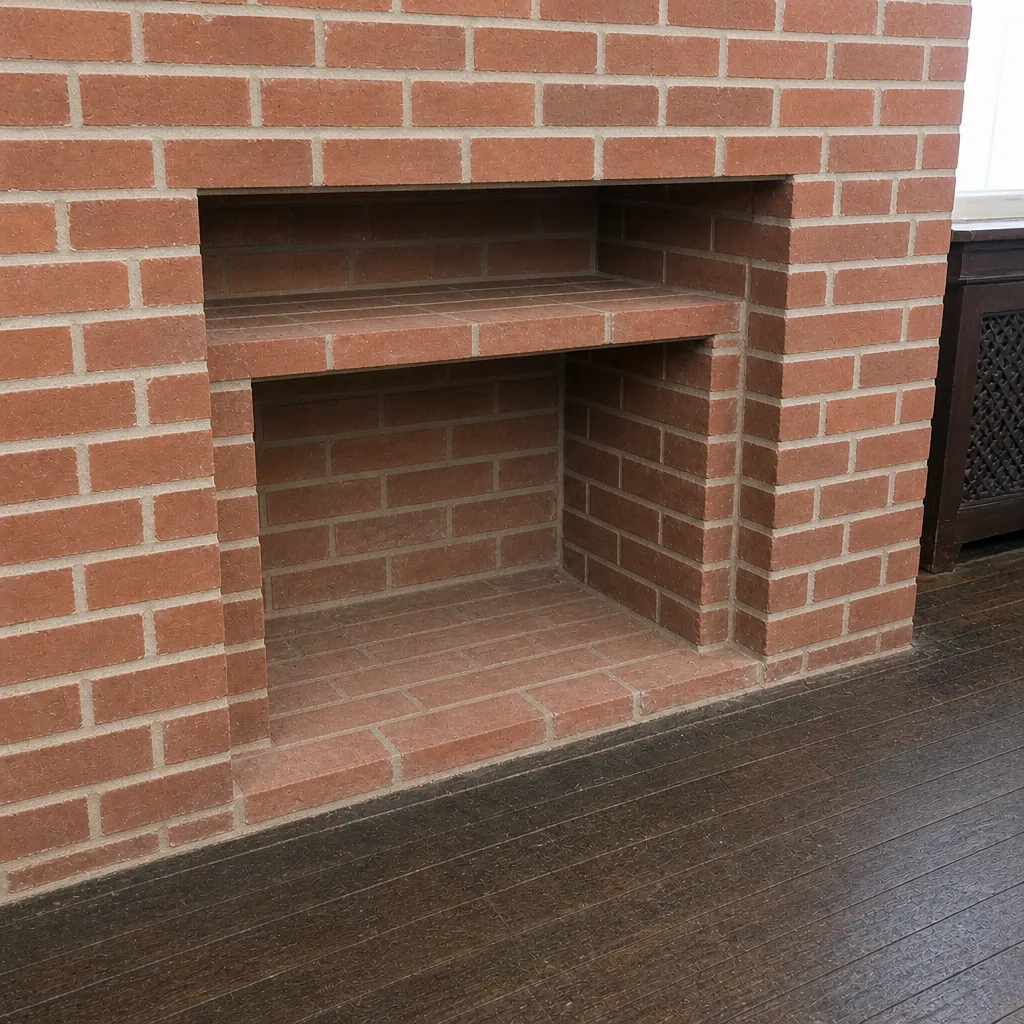
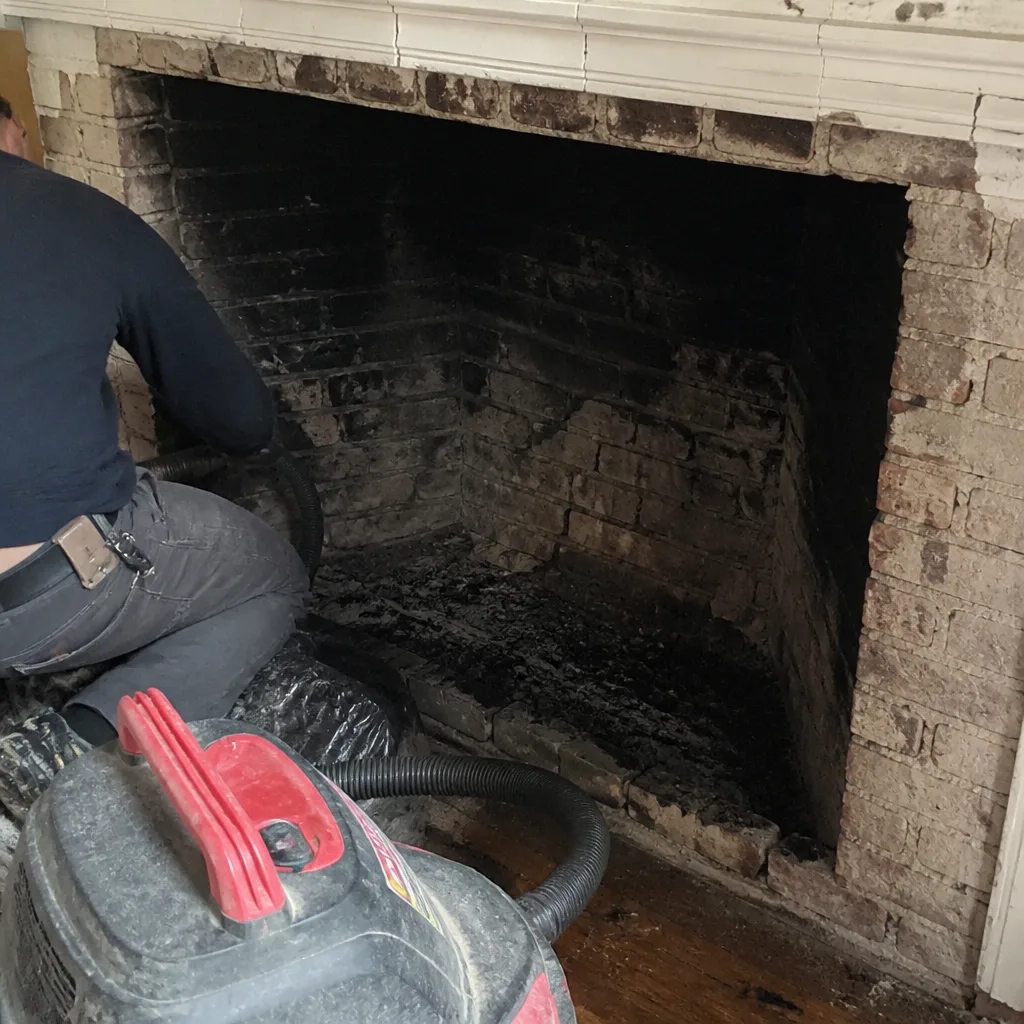
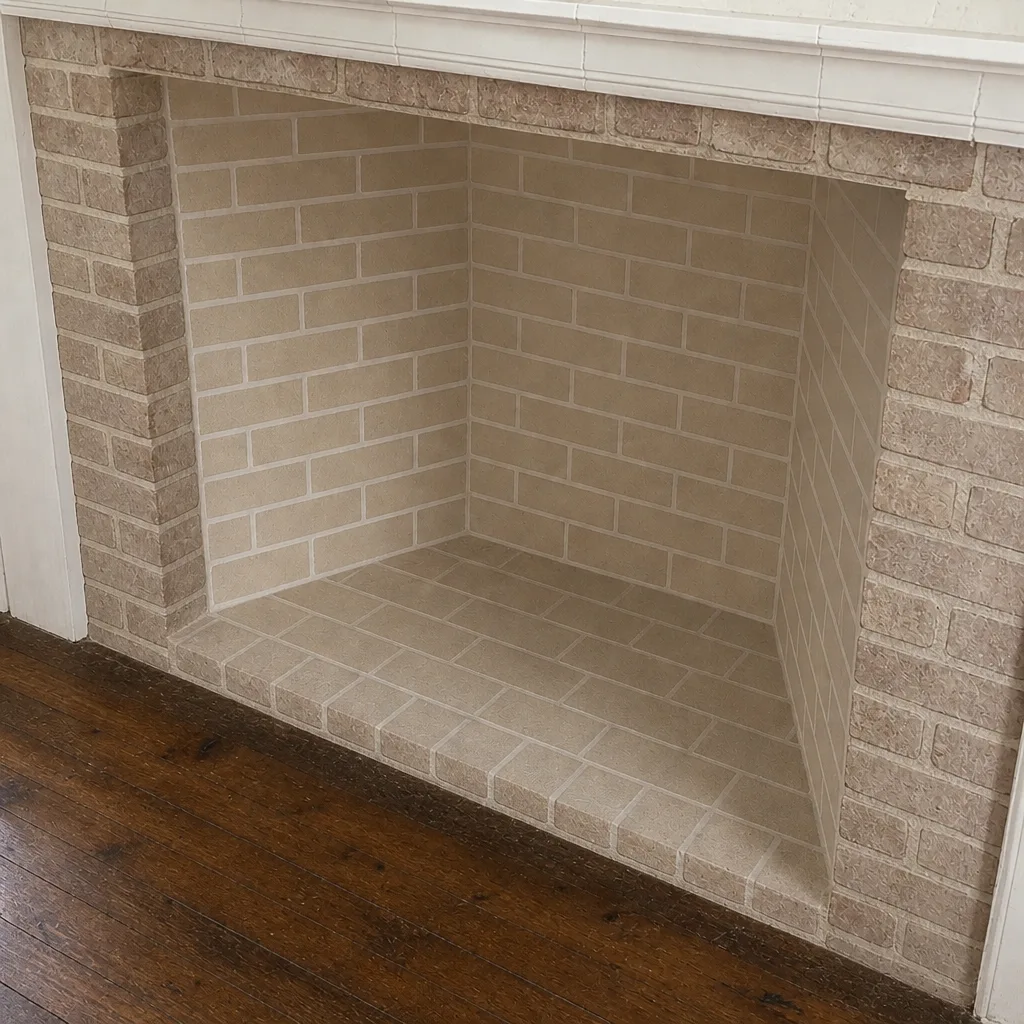
See the difference
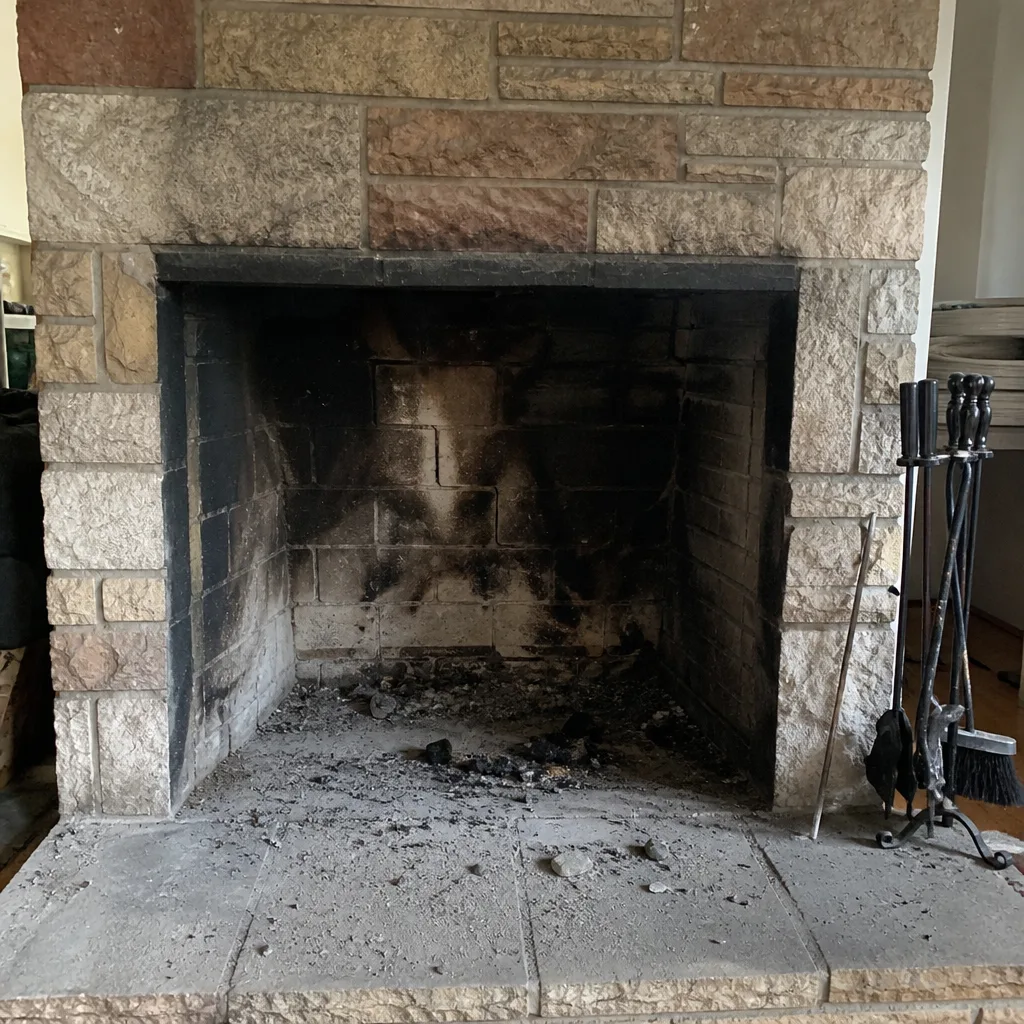 Before
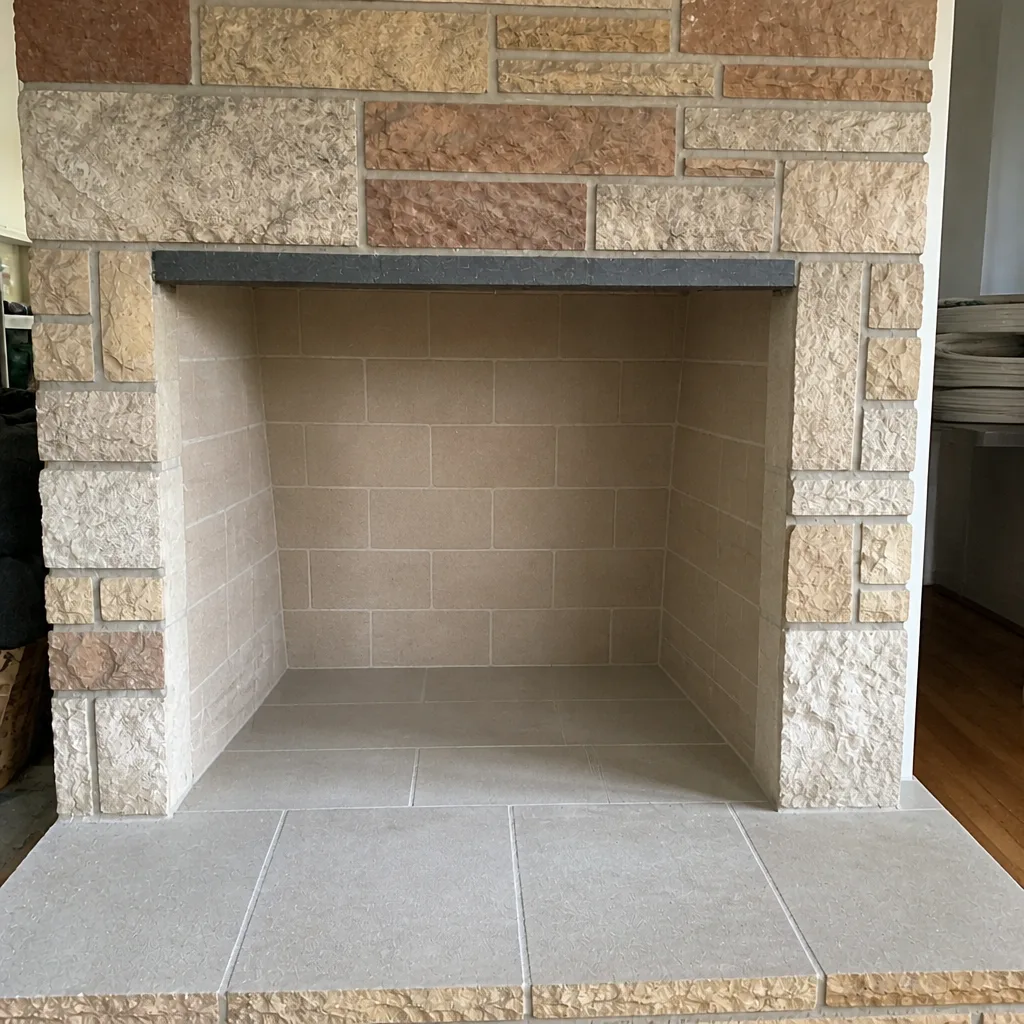 After
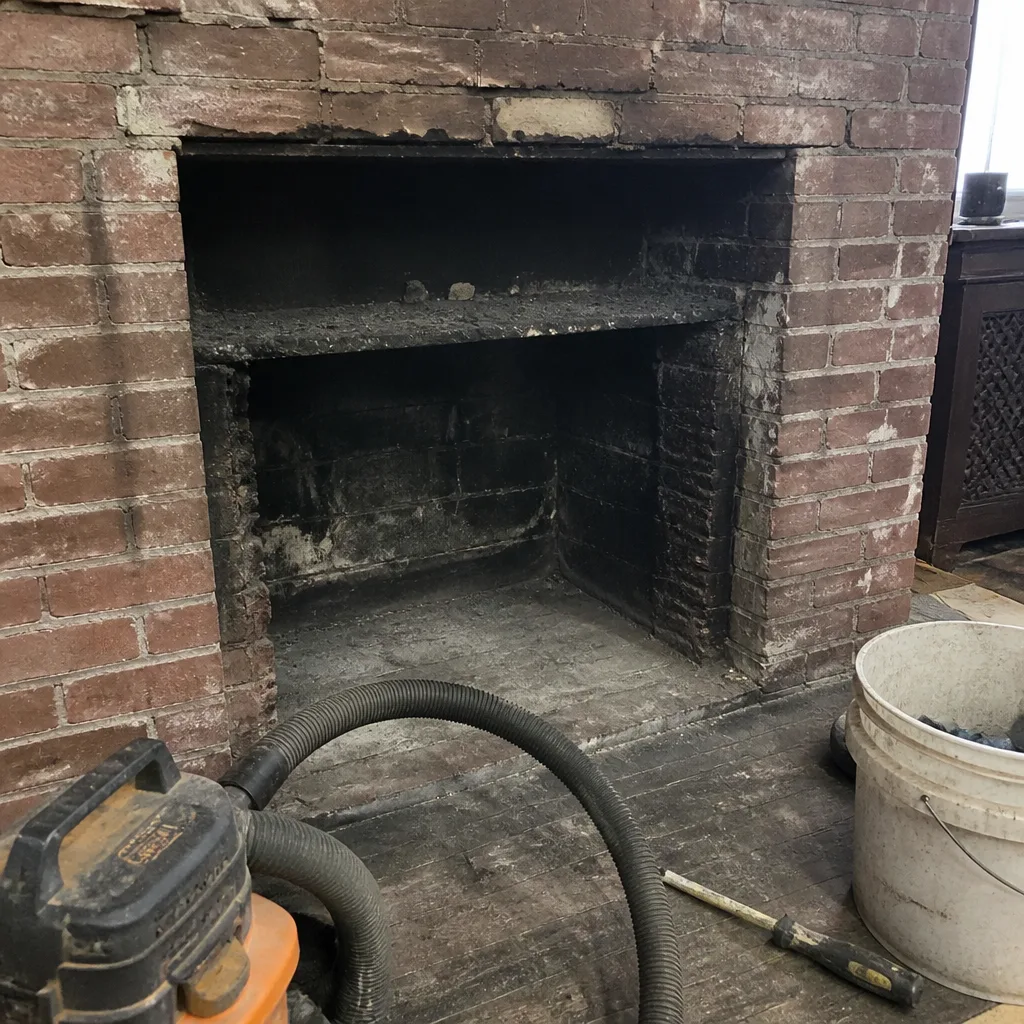 Before
 After
 Before
 After
When to Call a Professional
Some chimney issues need a contractor on the phone today. Call a professional if you smell a strong creosote odor in the room, if smoke rolls back into the house when you light a fire, if you’ve had a chimney fire (even a small one), if you see staining on the chimney’s exterior or interior near the fireplace, or if a home inspection or insurance request has flagged a chimney issue. Also call if your chimney is overdue for a sweep – annual is the standard for a wood-burning fireplace in regular use, and Harlem’s older masonry stock gives you no margin for skipping it. Chimney Sweep Harlem offers free estimates in Harlem – call (833) 468-5664. We answer 24/7, with fast dispatch from 7am to 7pm, Sunday through Friday.
Frequently Asked Questions
A chimney sweep in Harlem typically falls in a range set by the specific chimney’s condition and what the visit uncovers – a straightforward sweep of a clean, well-maintained flue is one scope; a sweep with camera inspection and a documented report on a chimney that hasn’t been serviced in years is another. We don’t price over the phone. The estimate is free, set per job after the in-person inspection, and the written estimate is the final price. Call (833) 468-5664 for an exact quote.
Not always – a liner needs replacement when the inspection shows gaps, cracking, spalling, or a flue that’s undersized for the appliance being vented. In our experience, liner recommendations in Harlem are usually driven by one of three findings: original clay tile that has cracked at the joints, a wood-burning flue that’s been converted to gas without resizing, or a chimney fire that left the liner compromised. The recommendation should come with photographs you can see for yourself. If it doesn’t, ask for them before agreeing to anything. Call (833) 468-5664 if you’d like a second opinion.
Once a year is the standard for a wood-burning fireplace in regular use, inspected by a trained technician per NFPA 211. Gas appliances are inspected annually too, even though they produce less creosote – the inspection checks venting and moisture issues rather than deposits. If your fireplace is used heavily or burns unseasoned wood, a mid-season check is reasonable. Call (833) 468-5664 to book the annual sweep and inspection.
Ask for the specific technician’s full name and CSIA number, then search that name and number on the CSIA’s online directory. The registry shows current certification status by state. Confirm the technician doing the inspection is the certified one, not just the person who wrote the estimate. Call (833) 468-5664 if you’d like ours documented before booking.
Creosote accumulates with every fire, and the deposit hardens over time into the glazed stage that ignites more easily. A skipped sweep also means a skipped inspection – and the inspection is what catches a cracked crown, a failed cap, or a deteriorating liner before those turn into masonry repairs. Chimney fires and carbon monoxide problems are rare among chimneys that are inspected annually and common enough among those that aren’t to justify the visit. Call (833) 468-5664 to get the chimney documented.
Yes – a company performing home improvement work in New York City, including chimney work, needs a current Home Improvement Contractor (HIC) registration through the NYC Department of Consumer Affairs. You can look it up on the DCA’s online license search by business name or registration number. Ask for the number before booking; a legitimate contractor will have it. Call (833) 468-5664 if you’d like to see our HIC registration alongside the CSIA certification of the technician before booking.
The Bottom Line
Hiring a chimney contractor in Harlem is a two-credential, eight-question, one-estimate process. Verify CSIA certification for the technician and HIC registration for the company. Ask the eight scope questions before you book – the answers tell you whether you’re talking to a specialist or a generalist. Insist on an in-person inspection before any quote, and insist on photographs before any repair recommendation. When the scopes don’t match across quotes, normalize them on paper before you compare the prices – a cheap quote that skipped the crown isn’t cheaper, it’s incomplete. If the recommendations come with photographs you can see and the pricing is flat and documented, you’ve hired well. That’s the whole checklist.
If you’re ready to book the sweep and inspection in Harlem, call (833) 468-5664. We answer 24/7, with fast dispatch from 7am to 7pm, Sunday through Friday. Estimates are free, and the written estimate sets the final price.
For more on the specific services, see chimney cap & crown and our guide to selecting professional-grade liner materials.
Written by the team at Chimney Sweep Harlem.