
Last updated November 25, 2026
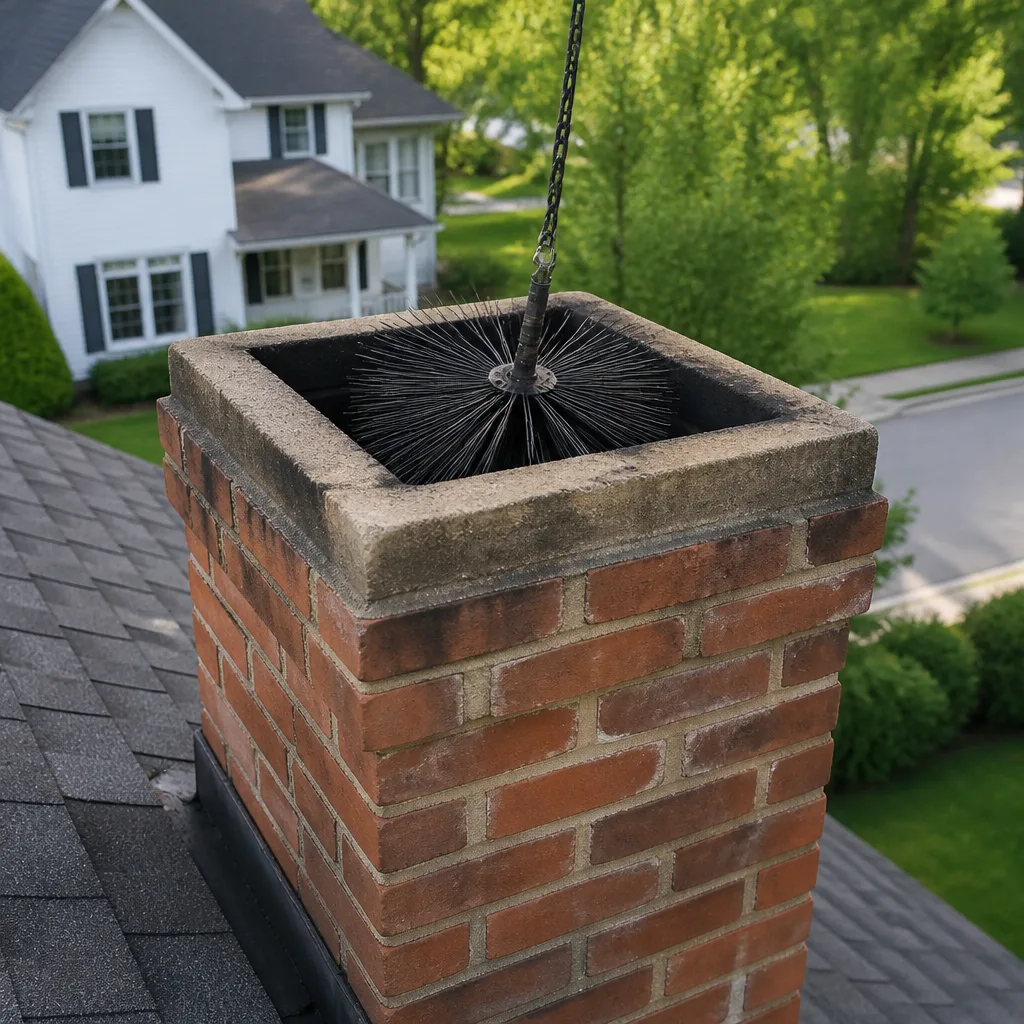 Sweep & inspection
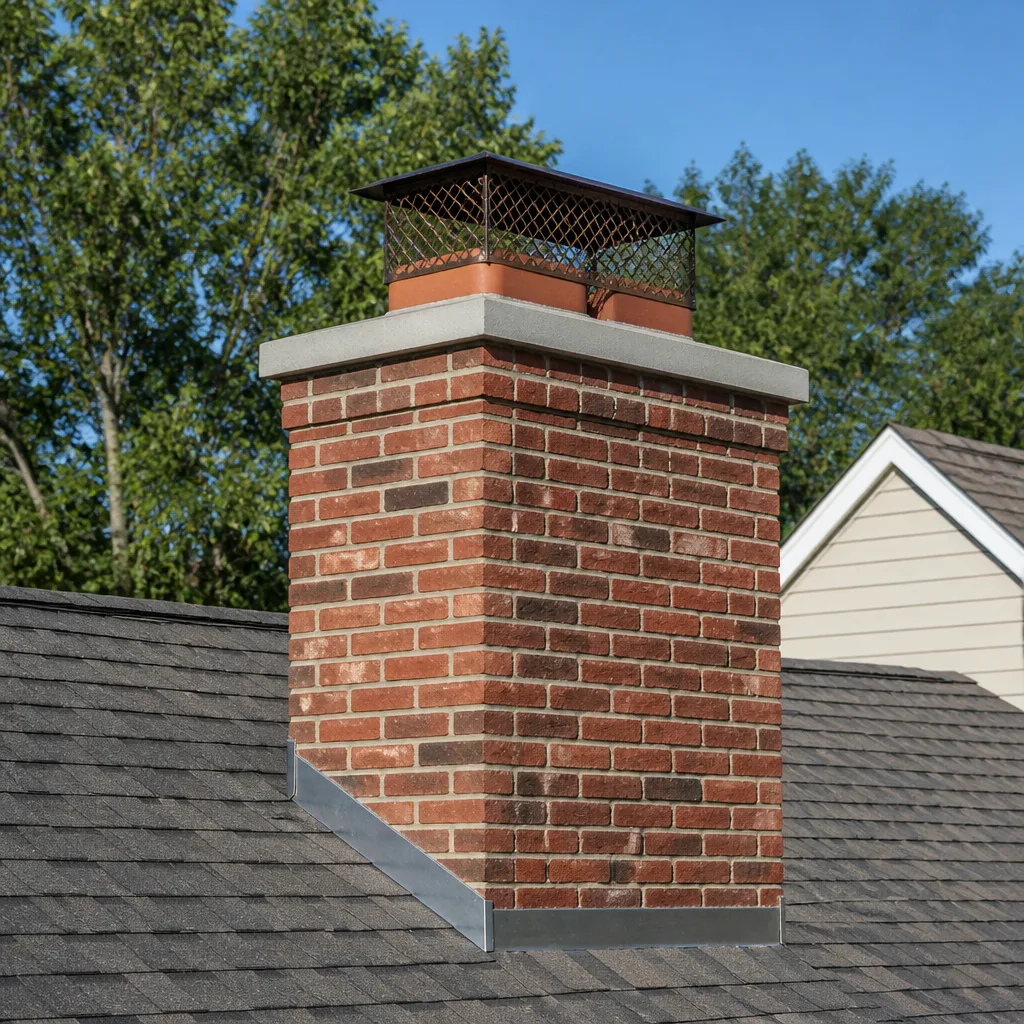 Caps & crowns
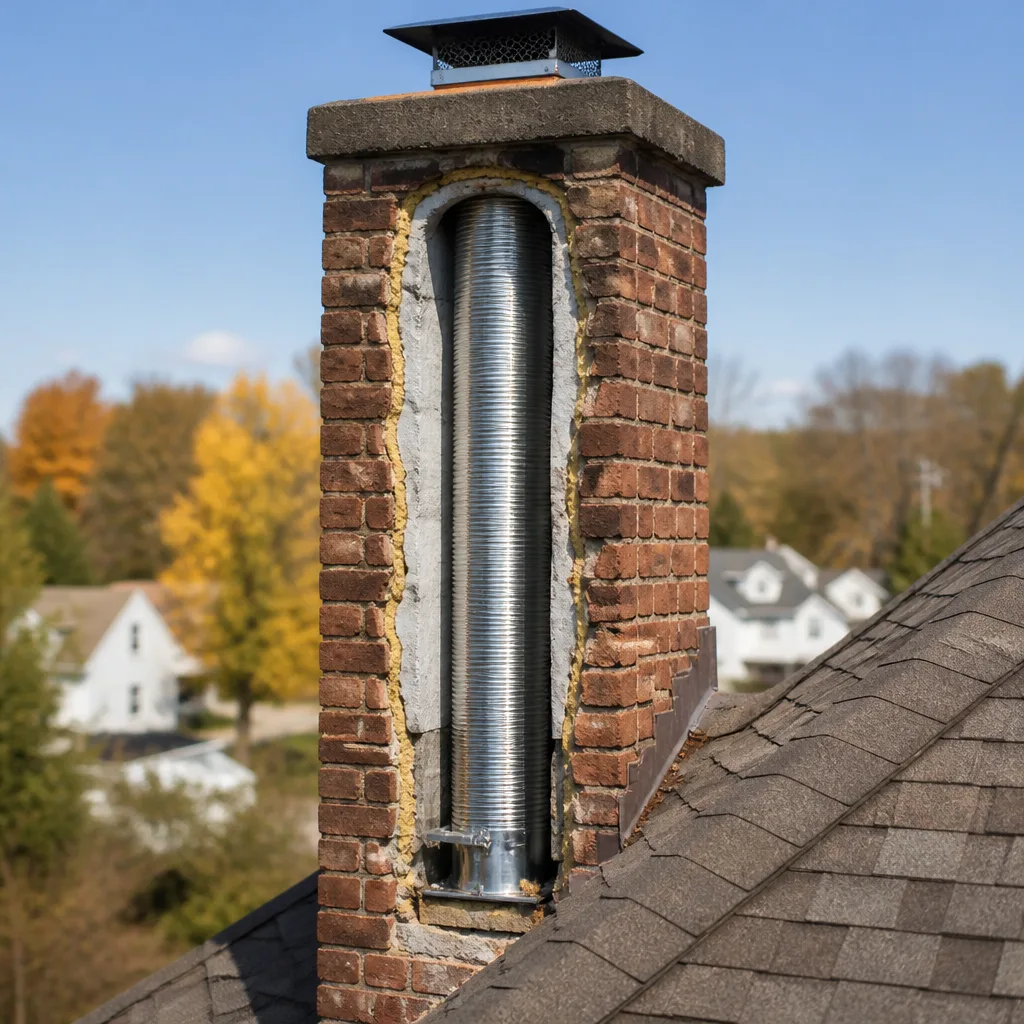 Flue relining
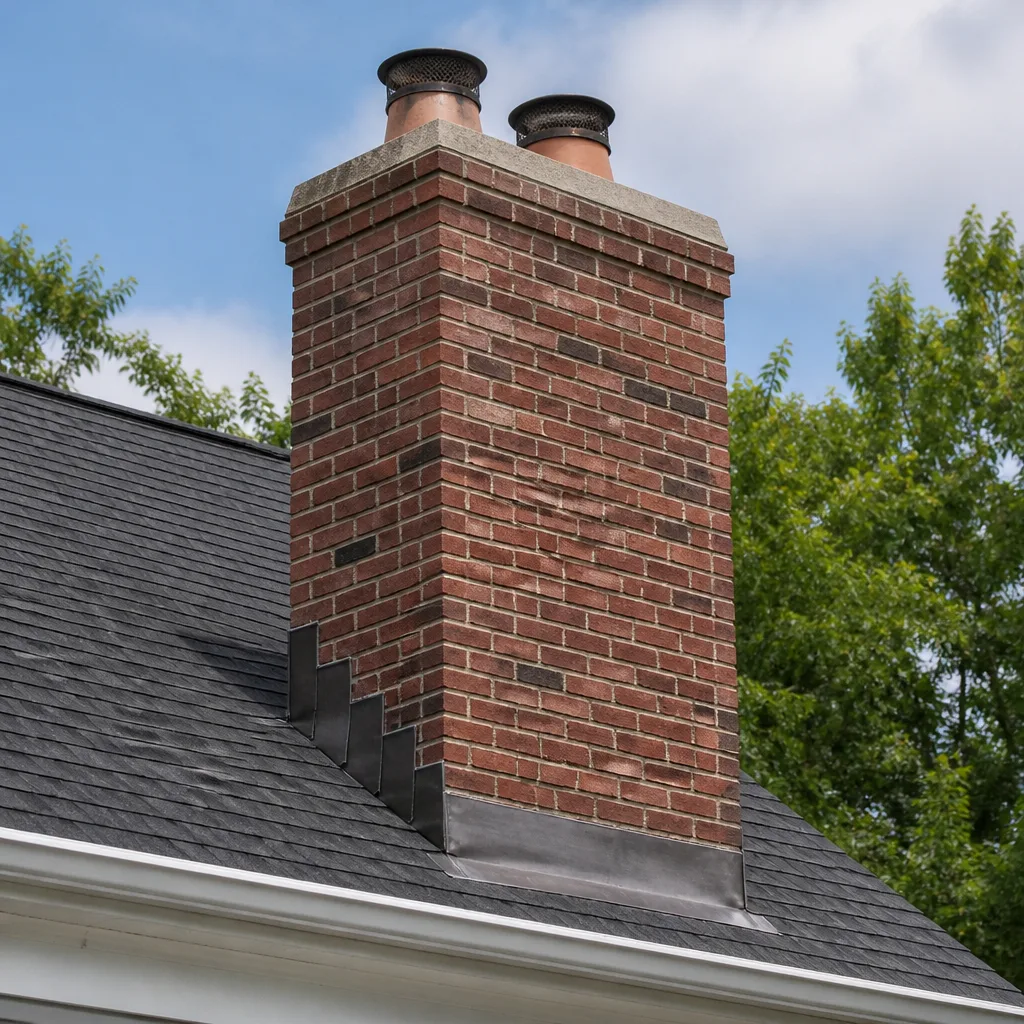 Masonry repair
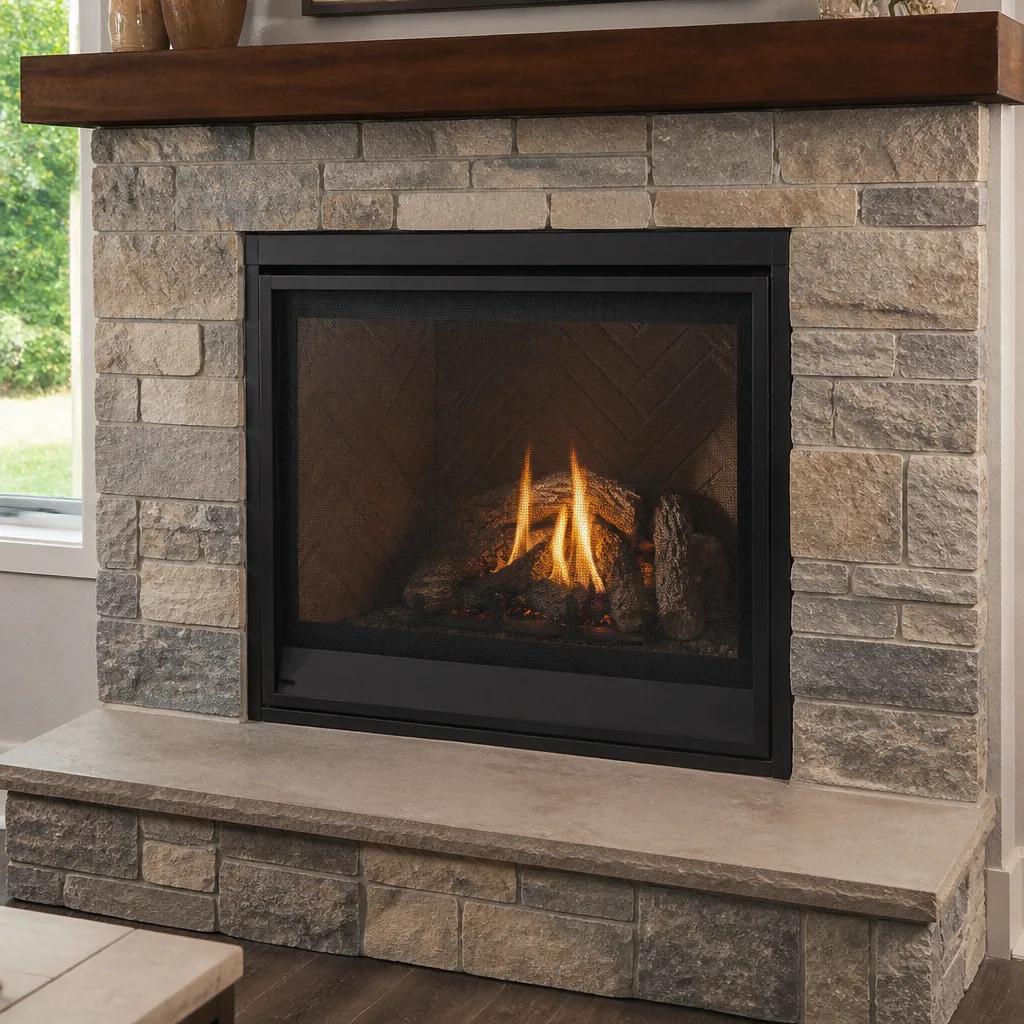 Gas fireplace service
Level 1 sweep and inspection to the NFPA 211 annual standard - flue, crown, cap, and flashing checked and photographed
Chimney sweep logs do not sweep chimneys. They loosen some creosote - which then falls where a brush and vacuum still have to collect it.
DIY vs Professional Chimney Cleaning: The Harlem Homeowner’s Decision Guide
The brush-and-rod kits sold online are built for straight, single-flue chimneys. In Harlem’s pre-war rowhouses and brownstones, they run into offset bends, irregular flue cross-sections, and clay tile liners that have been spalling for decades. A brush sized for a round six-inch flue can lodge itself inside a deteriorated tile, and then the job stops being a cleaning and starts being a removal. This guide lays out what DIY cleaning actually demands, where it genuinely works, where it doesn’t, and how to make an honest decision for your building rather than a reflexive one.
Quick Answer
DIY chimney cleaning can work as light maintenance between professional visits, especially for ash removal and brushing soot from a sound, straight flue. For most Harlem buildings – attached rowhouses, shared roof rights, offset flues, aging clay tile liners – a professional sweep is the safer and more effective choice because the equipment, access, and inspection judgment required exceed what a homeowner kit provides. Sweeping without inspecting doesn’t tell you whether your liner or smoke chamber is sound.
Styles & brands we work with
- Sweep & inspection
- Caps & crowns
- Flue relining
- Masonry repair
- Gas fireplace service
Table of Contents
- What DIY Chimney Cleaning Actually Requires
- Harlem Access Realities: Roofs, Parapets, and Shared Rights
- What DIY Cleaning Physically Cannot Do
- Creosote Stages and Why They Change the Job
- The Insurance and Inspection Record Angle
- The Legitimate Case for DIY Between Visits
- How a Professional Sweep Actually Goes
- Common Mistakes to Avoid
- When to Call a Professional
- Frequently Asked Questions
- The Bottom Line
What DIY Chimney Cleaning Actually Requires
Most homeowners underestimate the equipment cost and the precision involved in a real sweep. Brush size is determined by the flue’s interior cross-section measured at its narrowest point – not by the chimney’s exterior width. A round 8-inch flue needs an 8-inch brush; a rectangular flue from an older Harlem rowhouse might need an oblong brush matched to its actual dimensions, and get the wrong size and the brush either skips the corners or jams.
Here’s what a genuine DIY setup needs:
- Correctly sized brush in the material matched to the flue – poly for metal liners and most clay tile, wire only for heavy creosote on clay with caution
- Flexible rods rated for the offset bends in your flue – rigid rods won’t navigate an offset and can crack tile at the bend
- Drop cloths and painter’s plastic covering the fireplace opening and the path from the roof or the cleanout
- A HEPA vacuum rated for fine soot – a shop vac with a standard filter just redistributes the soot into your apartment
- Respirator, gloves, goggles – creosote and soot are irritants, and fine soot inhalation is a genuine health concern
- Ladder and roof harness if you’re going from the top, plus knowledge of your roof’s safe zones
Add it up honestly. Once you’ve bought a properly sized brush, a rod kit long enough for a three-story rowhouse, a proper vacuum, and safe ladder access, you’re into real money – and that’s before you’ve reached the roof. The equipment cost of a correct DIY setup often runs close to a professional service, which is one reason so many Harlem homeowners end up calling after the kit sits in the closet for a season.
Proper cleaning also needs to happen from both directions in many cases: top-down to sweep the flue and bottom-up through the cleanout to brush the smoke shelf and damper area. Those two zones hold much of the creosote and soot that causes trouble.
Harlem Access Realities: Roofs, Parapets, and Shared Rights
Rooftop access is the first place DIY plans fall apart in Harlem. Brownstones and rowhouses tend to have flat or low-slope roofs behind a parapet wall – the low wall at the roof edge that keeps people from falling off and that a chimney sweep has to work around. Getting a ladder up and safely over a parapet is a different operation than climbing a suburban pitched roof, and the drop on the inside of a four-story brownstone is not a place to learn ladder technique.
Then there’s the shared roof question. In attached rowhouses, the chimney stack often sits on or near a party wall, and your access to it may run across a neighbor’s roof or a shared bulkhead. Roof rights in Harlem rowhouses are a real, practical thing – sometimes documented, sometimes settled by longstanding practice between owners. Before planning a DIY sweep from the roof, check what your building’s access arrangement actually is.
Other Harlem-specific obstacles:
- Skylights and bulkhead doors along the roof path – trip hazards and things that don’t take a ladder leaning on them
- Pipe stacks and vent penetrations that narrow the walking route
- Weather exposure – a wet or icy roof in Harlem’s winters makes a rooftop sweep a bad idea on a given day, while a professional can work from inside the firebox on the same day
- Height – brownstone chimneys sit well above street level, and working at that height with a brush and rod is a job that benefits from someone doing it weekly rather than once a season
If you’re going to sweep from inside the firebox rather than from the roof, you’ll need to navigate the smoke shelf and damper assembly with a rod from below. That’s manageable for a light soot brush-down, but it doesn’t clear the top of the flue or get at the smoke chamber’s sloped surfaces.
What DIY Cleaning Physically Cannot Do
The biggest gap between DIY and a professional visit isn’t the brushing. It’s what a trained technician sees while they’re up there. A brush doesn’t assess, and a homeowner with a brush in hand is focused on the brush, not on whether the clay tile above it has cracked or the mortar joints have started to fail.
A professional sweep includes a visual inspection at minimum, and usually a camera inspection of the flue. Here’s what that catches that DIY can’t:
- Cracked or spalled clay tile – tile that’s lost its glazed surface or fractured allows heat and creosote into the masonry around it, which is a fire pathway
- Liner integrity – the liner is what keeps combustion gases inside the flue. A brush doesn’t tell you whether it’s intact. A camera does.
- Gaps at liner joints – the joints between liner sections are where gases leak into the chimney’s cavity and into the building
- Smoke chamber condition – the smoke chamber sits above the damper and below the flue, and its sloped walls collect creosote and soot that a simple flue brush never reaches. Deteriorated smoke chamber mortar is a common hidden problem in older Harlem buildings.
- Damper seal – a warped or rusted damper lets heated room air up the flue year-round and lets cold air down. That’s a real efficiency hit and an easy thing for a technician to spot and fix.
- Crown and cap condition – the crown is the concrete top of the chimney, and the cap sits over the flue opening. Both are the primary entry points for water into masonry. A brush doesn’t tell you either is failing, and water damage to a chimney is slow and expensive to reverse.
This is why we treat the inspection as the starting point rather than a billable add-on. A sweep without an inspection is maintenance without a diagnosis.
Creosote Stages and Why They Change the Job
Creosote isn’t one substance. It forms in stages as it builds up in the flue, and each stage needs a different approach. This is one of the clearest reasons a homeowner’s brush can’t handle every situation.
- Stage 1: Soot and light flaky creosote. This is the normal buildup from a season of burning and it brushes off with a properly sized poly brush. This is what a DIY sweep can realistically handle.
- Stage 2: Glazed creosote. The creosote has hardened into a shiny, tar-like layer that clings to the flue walls. A standard brush skips off the surface or glazes it harder. Stage 2 usually needs a chemical treatment to break it down before brushing, and sometimes a rotary cleaning tool.
- Stage 3: Solid, hardened creosote. This is a dense, baked-on layer that often needs targeted chemical application over time, mechanical removal, or in the worst cases, liner replacement. Stage 3 creosote is highly combustible and is a genuine chimney fire hazard.
You can’t reliably identify creosote stage from the ground. It requires looking up the flue with a light, and often with a camera. If you brush a stage 2 or stage 3 flue with a homeowner kit, the best outcome is that you don’t remove it. The worse outcome is that you dislodge a chunk that jams in an offset below. That’s the practical reason we say a brush is not a diagnostic tool.
Burning habits affect which stage your flue reaches. Burning unseasoned wood, restricting the air supply to stretch a fire, or letting a fire smolder all increase creosote formation. If your fireplace produces a lot of smoke that rolls into the room, or you find yourself burning wet wood out of convenience, your creosote risk goes up measurably. That’s worth knowing regardless of who does your sweep.
The Insurance and Inspection Record Angle
This is the part of DIY that rarely gets discussed, and it’s specific. Homeowner’s insurance claims related to a chimney fire can be contested if there’s no professional inspection record. That’s not a scare tactic – it’s how insurers assess whether a loss was foreseeable. An adjuster looking at a chimney fire claim will want to know the chimney was being maintained, and a receipt or report from a professional inspection is the clearest evidence of that.
What that means practically:
- Keep a paper trail. If you sweep it yourself, keep a dated record of what you did and when. It’s not the same as a professional report, but it’s better than nothing.
- Annual professional inspection is the strongest record. It establishes that the chimney was being looked at by a trained eye and that any problems identified were documented.
- Home sales are affected. Many buyers’ inspectors flag chimneys, and a seller with a recent inspection report can answer questions that a seller without one can’t. Same for a pre-purchase inspection, which is worth arranging before you close on a Harlem rowhouse.
- Post-storm assessment. After a serious wind or ice event, an inspection documents the chimney’s condition before any structural problems compound.
If you’re selling, buying, or making a claim, the inspection report carries real weight. It’s a document. A brush and a clean flue don’t produce one.
The Legitimate Case for DIY Between Visits
There is real value in light homeowner maintenance between professional visits, and we’d rather you do it well than badly. The goal is not to replace the annual sweep – it’s to keep the fireplace cleaner and safer between sweeps and to catch small problems before they become large ones.
What’s genuinely safe for a homeowner to do:
- Ash removal. Once the firebox has fully cooled, shovel out the ash into a metal container with a lid and store it outside on a non-combustible surface. Don’t put warm ash into a plastic bin or a paper bag. A layer of ash on the firebox floor is fine and can help insulate the fire, but a full firebox of ash chokes airflow.
- Damper lubrication. The damper pivot points benefit from a graphite or high-temperature lubricant made for fireboxes. Rutland and Imperial both make homeowner-grade products for this. Clean dust and grit off the pivot points first, then apply sparingly.
- Glass cleaning on a fireplace insert. A cool firebox door glass can be cleaned with a fireplace-specific glass cleaner, which removes the black film that comes from a slow fire. Check the door gasket at the same time; a worn gasket lets air leak in and hurts how the fire burns.
- Grate and hardware inspection. Look at the fire grate, the andirons, and the damper assembly for cracks or warped metal. A cracked grate that drops a log against the firebox wall is a burn-through hazard, and a replacement grate is inexpensive. Felco makes cast grates that hold up well; Famco grates are another solid choice for an older firebox.
- Ash pit and cleanout door check. If your fireplace has an ash pit, look at the cleanout door in the basement. A rusted or missing door lets air leak and moisture in.
- Visual crown and cap check from below. Binoculars from the yard are enough to spot obvious problems – a missing cap, a visible crack in the crown, a rain cap that’s come loose. Any of those, and it’s time to call.
What you shouldn’t do yourself: reach up the flue with a tool to poke at creosote, try to scrape glaze off the tile with anything, or climb the roof without a harness and a helper. These are the ways homeowners get hurt or cause damage that’s far more expensive than a sweep.
How a Professional Sweep Actually Goes
Here’s how a professional sweep typically runs, so you know exactly what the visit should include. When you book a chimney sweep, you should expect each of these stages.
- Set up and protect the space. Drop cloths over the hearth and floor, a HEPA vacuum running to capture fine soot, and the fireplace opening sealed to the work area.
- Inspect before brushing. A visual inspection of the firebox, damper, smoke chamber, and flue, often with a camera inspection that documents the liner’s condition. If a camera isn’t practical, the technician should at least be reporting the flue condition they observed.
- Assess creosote stage. Stage 1 brushes out; stage 2 gets a chemical pre-treatment and usually a rotary tool; stage 3 gets evaluated for whether cleaning alone can address it or whether liner restoration is needed.
- Brush the flue with the correct size and material brush, working from both the top and the firebox, and checking the offset bends are clear.
- Clean the smoke chamber and damper area, which collects creosote the flue brush misses.
- Clear the firebox and vacuum down the work area, then do a final visual check.
- Document the visit. A report of what was found, what was cleaned, and what, if anything, needs attention. Photographs of anything flagged, so you can see for yourself what the technician is describing.
The documentation stage is where professional service pulls away from DIY. You get a record, an assessment, and a specific scope of work if repairs are needed. When a sweep finds a cracked crown or a failing liner, the repair gets handled by the same company rather than handed off to a referral chain – our chimney cap & crown work and liner restoration are part of the same visit or follow-up, not a second contractor’s project. The materials we use are the trade-grade ones – HeatShield’s ceramic flue resurfacing system for deteriorated liners, Gelco brush and cleaning tools, Olympia Chimney liners, Copperfield caps and masonry products, and Famco crowns – not big-box substitutes. You shouldn’t have to choose a liner material off a hardware store shelf when your safety depends on it.
Our technicians have up to 13 years of experience, and that experience is where the judgment comes from – knowing when a stage 2 flue can be chemically treated versus when the tile is too far gone, and knowing when a homeowner can safely wait on a repair versus when they can’t. That judgment is the service, not the brushing.
Common Mistakes to Avoid
These are the mistakes we see most often in Harlem, both from DIY attempts and from unvetted sweep services:
- Buying a brush by chimney width instead of flue cross-section. The exterior of the chimney doesn’t tell you the flue’s interior dimensions. Measure the flue itself – or have it measured before you buy. An oversized brush damages tile; an undersized one leaves creosote behind.
- Using a standard shop vac for soot. A shop vac’s filter passes fine soot right back into your apartment. A HEPA-rated vacuum is the minimum for interior work, and it’s a big part of the equipment cost DIY kits don’t include.
- Climbing a Harlem brownstone roof without fall protection. Parapet walls, skylights, and shared roof rights make this more dangerous than a suburban pitched roof. If you’re not harnessed and paired with a helper, don’t go up.
- Brushing a stage 2 or stage 3 flue with a homeowner kit. You can dislodge creosote that lodges in an offset below, creating a blockage you can’t clear and a fire hazard you can’t see. If the flue is glazed or hardened, stop and call.
- Sweeping without inspecting. A clean flue with a cracked liner is still a dangerous flue. A brush doesn’t assess, so if you’re not going to inspect, have someone who will.
- Skipping the smoke chamber. The sloped walls above the damper collect creosote that a straight flue brush never touches. A clean flue with a dirty smoke chamber is a partially cleaned chimney.
- Ignoring a missing cap. Every rainstorm sends water down a capless flue into masonry that absorbs it. Water damage to a chimney is slow and progressive, and a cap is one of the cheapest fixes in the whole business – which is why not replacing one is a mistake that keeps paying for itself.
When to Call a Professional
Call a professional if any of these apply:
- You’ve never had the chimney inspected, or the last inspection was more than a year ago.
- You see glaze, tar-like buildup, or a heavy black layer on the flue walls.
- The firebox smokes into the room when the fire is lit, or the draft is weak.
- You smell a creosote or burnt smell on warm days when no fire is burning.
- You’re selling, buying, or filing an insurance claim involving the chimney.
- Your roof access would require crossing a parapet or a neighbor’s roof.
- You’ve had a storm, wind, or ice event that may have damaged the crown or cap.
- You’ve tried a DIY sweep and are unsure the flue is actually clear.
Our chimney repair and inspection work is scheduled as one call, full scope: the sweep, the inspection, and any cap, crown, or liner work that needs doing, without a referral chain. Chimney Sweep Harlem offers free estimates in Harlem – call (833) 468-5664. We answer 24/7. Fast dispatch from 7am to 7pm, Sunday through Friday. A written estimate sets the final price, and nothing gets recommended without camera evidence you can see yourself.
Frequently Asked Questions
A chimney sweep in Harlem is typically priced per job by a written estimate, and the real cost depends on the flue configuration, the creosote stage found during inspection, and whether any repair is needed. We don’t quote a flat number over the phone because a stage 1 flue in a straight run and a stage 2 flue in an offset rowhouse chimney are different jobs. Call (833) 468-5664 for a free estimate – the written estimate sets the final price, and nothing gets added without your approval.
You can do light maintenance – ash removal, damper lubrication, glass cleaning – yourself between visits. A full sweep with inspection is a different job, and in a Harlem rowhouse the access, equipment, and diagnostic judgment usually push it past what a homeowner kit can handle. If your flue is straight, sound, and stage 1 only, a careful DIY brush-down is possible; if there’s any doubt about the liner or the creosote stage, a professional sweep is the safer call.
Most wood-burning fireplaces need a sweep about once a year, or roughly once per cord of wood burned, whichever comes first – and that guidance holds in Harlem as anywhere else. If you burn often, or burn unseasoned wood, you may need it more frequently. An annual inspection is the other half of the answer: even in a year you don’t burn much, an inspection catches liner and crown problems early. Call (833) 468-5664 for a free estimate and to schedule an inspection.
Creosote builds up in stages, and each stage is more combustible than the last. A skipped sweep means stage 1 buildup has time to become stage 2 or stage 3, which is a real chimney fire hazard – and stage 3 often means liner replacement rather than a cleaning. Skipping also means defects like cracked tile, a failing crown, or a missing cap go unnoticed. The honest version: a lot of skipped seasons are fine, and one isn’t. That’s the reason to keep a schedule. Call (833) 468-5664 for a free estimate.
It may. Insurers assess whether a chimney fire loss was foreseeable, and a professional inspection record is the clearest evidence the chimney was being maintained. A dated DIY record is better than nothing, but it’s not the same as a professional report. If you’re making a claim or selling a Harlem home, having an inspection report ready is worth the visit on its own. Call (833) 468-5664 to schedule one – free estimates.
Yes, when the company does cap and crown work as part of its scope – which is how we operate. A cracked crown or a missing cap found during a sweep gets handled by the same company, so you’re not handed a diagnosis and then left to find a mason. Cap and crown work also addresses the two most common points of water intrusion in a masonry chimney, which is why we treat them as part of the annual inspection rather than a separate project. Call (833) 468-5664 for a free estimate.
The Bottom Line
DIY chimney cleaning is physically possible for some Harlem homeowners, and it’s worth doing the light maintenance – ash removal, damper lubrication, glass cleaning, and a visual check of the crown and cap from the ground. But the building-specific realities of Harlem’s attached rowhouses and brownstones change the calculus: rooftop access behind parapet walls, shared roof rights, offset flues and aging clay tile liners, and the fact that a brush can’t tell you whether your liner is sound. The honest recommendation is a professional sweep and inspection once a year, and smart DIY maintenance in between. That combination keeps your chimney safe, documented, and compliant, and it’s the one we’d recommend for our own homes. Our technicians have up to 13 years of experience, and we work with the trade-grade materials a safety-critical job deserves.
If you’ve been weighing the decision, call (833) 468-5664. We answer 24/7. Fast dispatch from 7am to 7pm, Sunday through Friday. A written estimate sets the final price, and we never recommend work you don’t need. That’s the standard we hold every visit to, and it’s the reason Harlem homeowners keep us on their annual list.
Written by the team at Chimney Sweep Harlem.
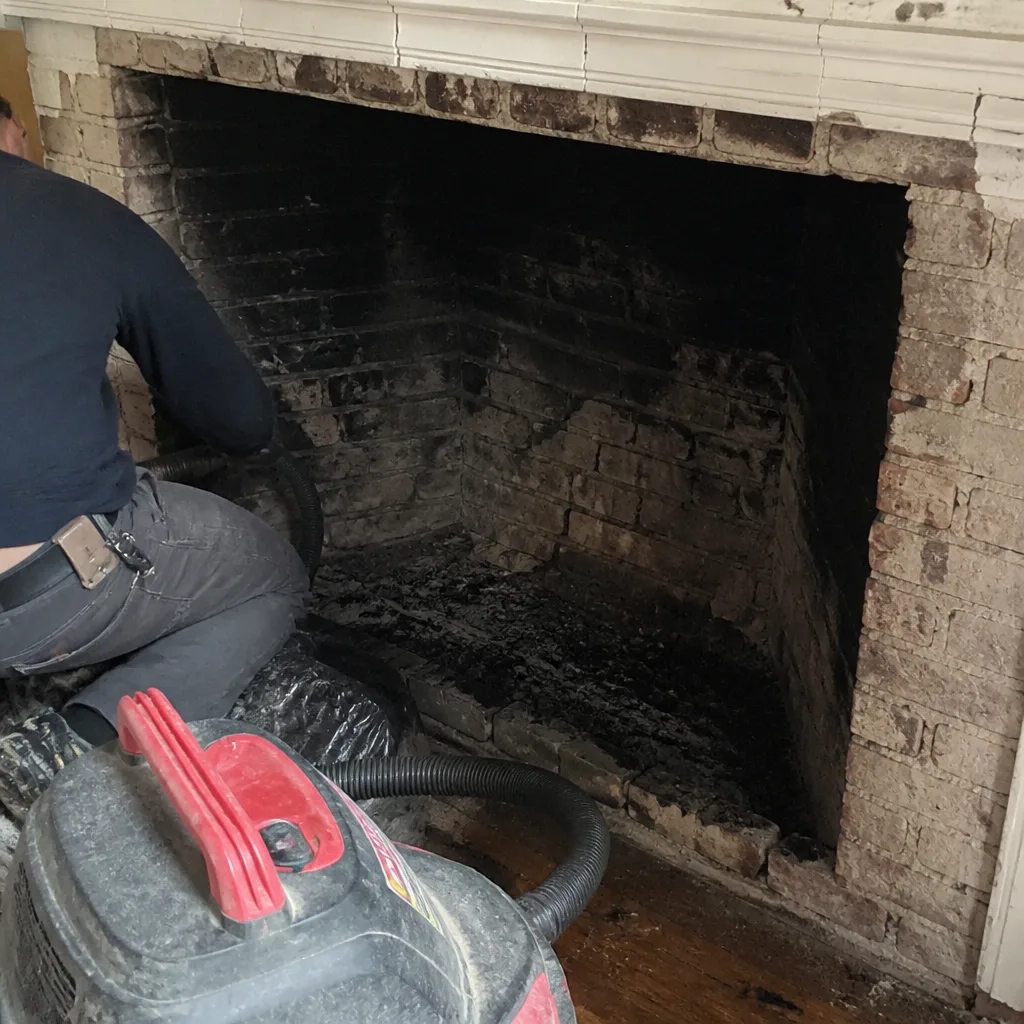
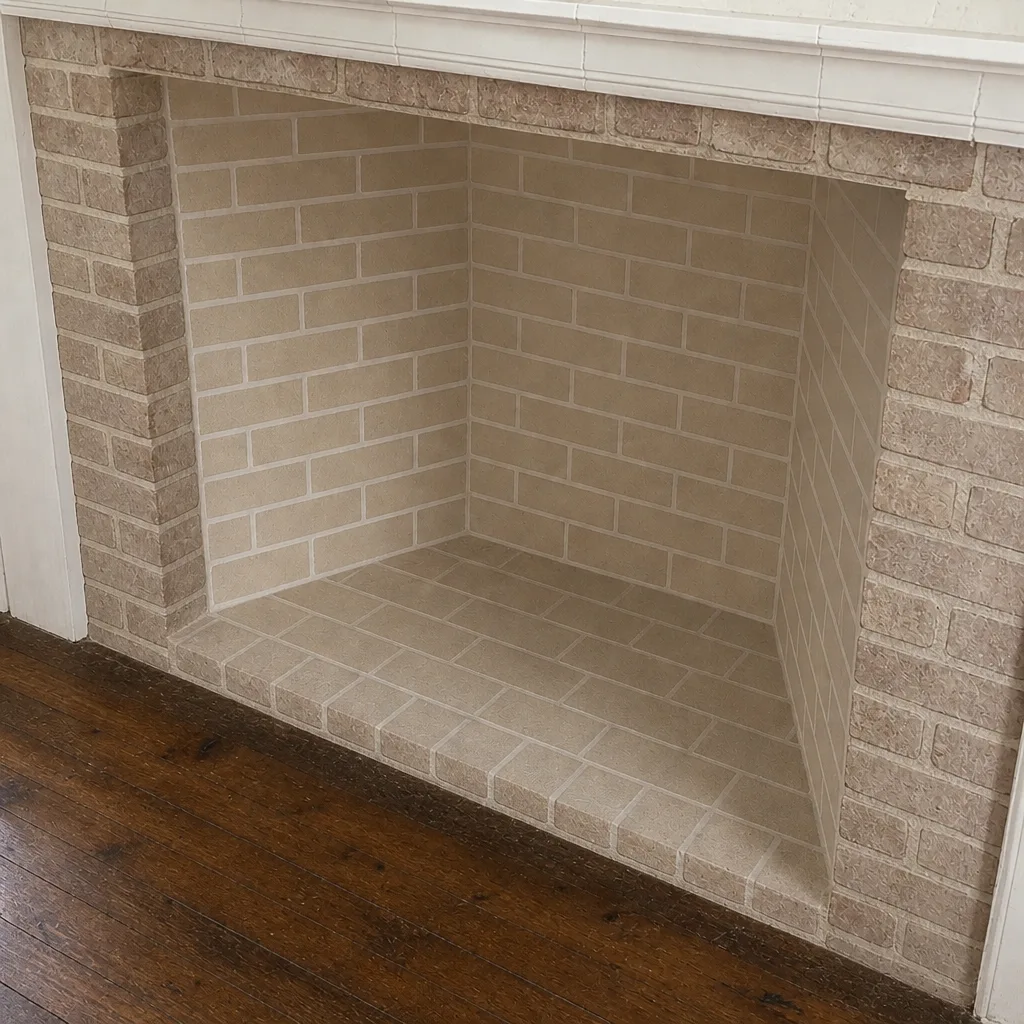
See the difference
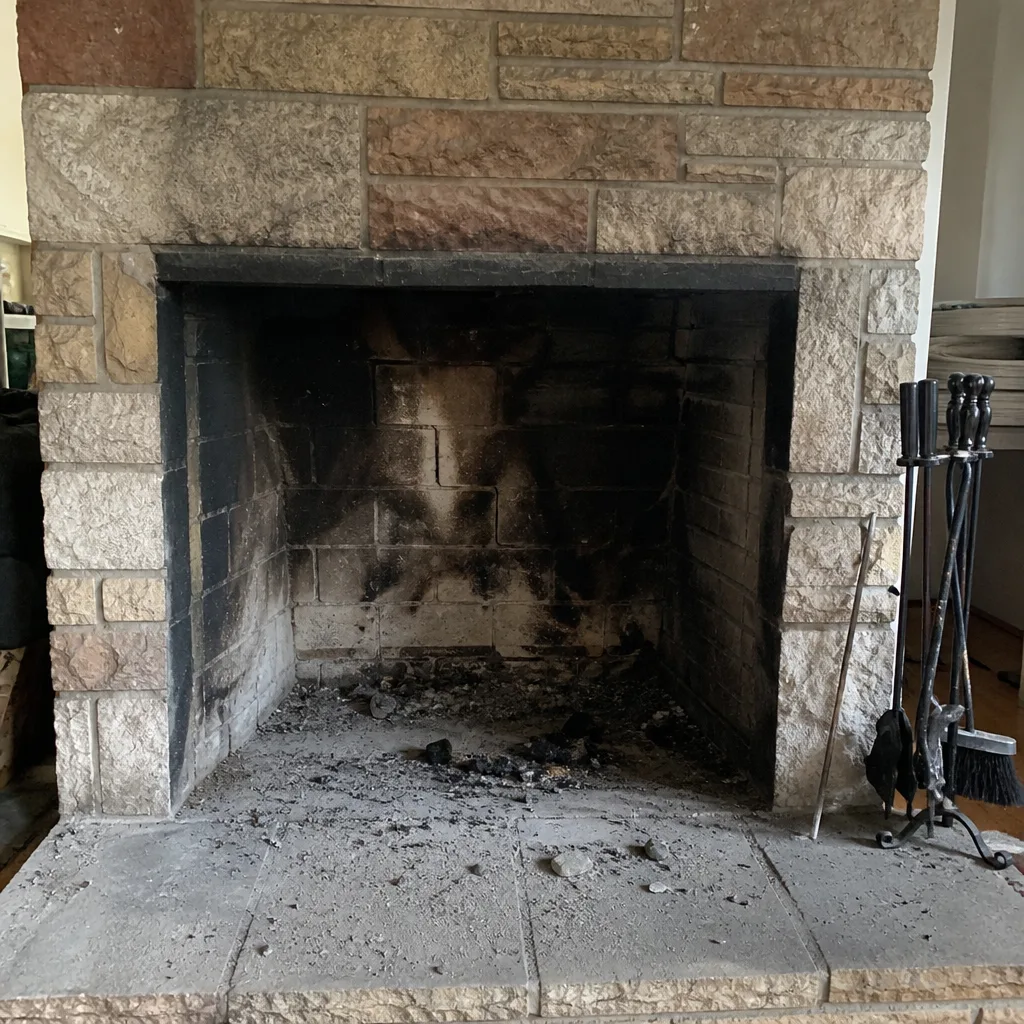 Before
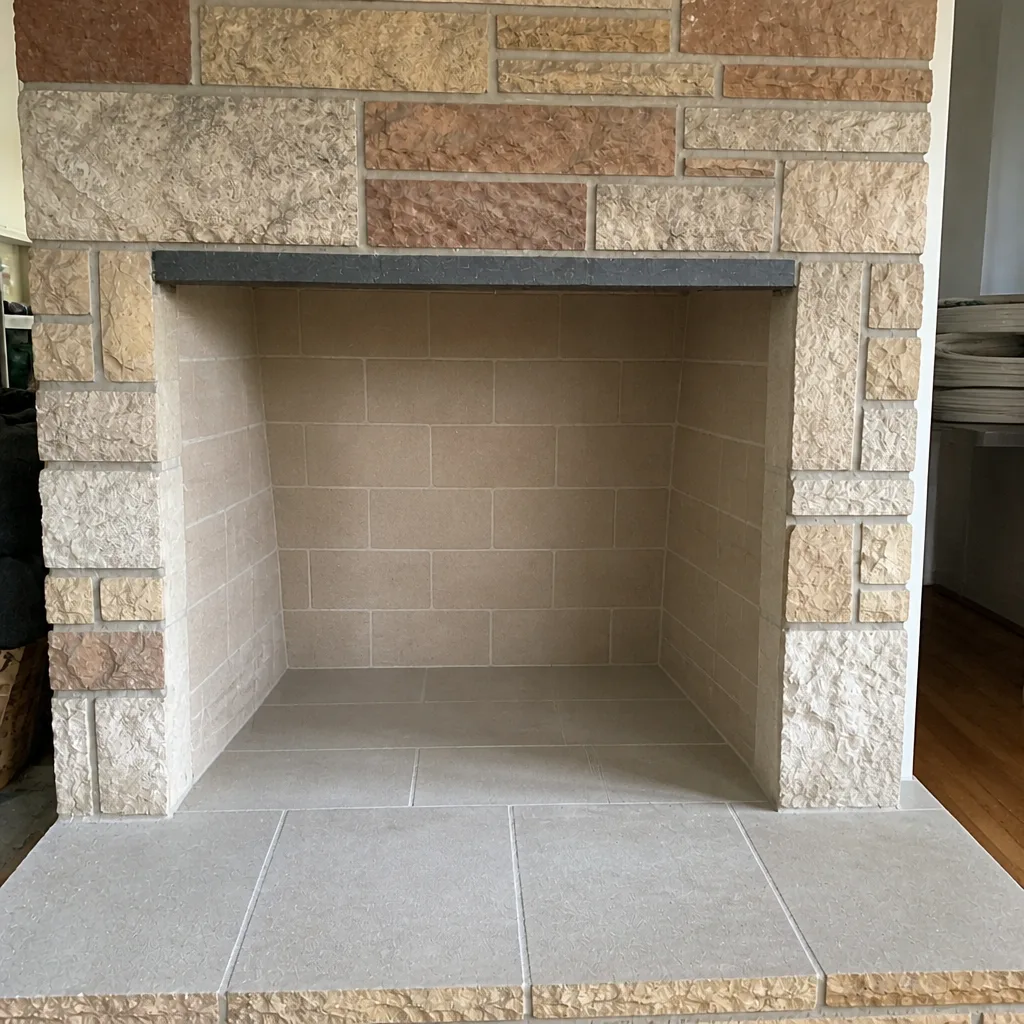 After
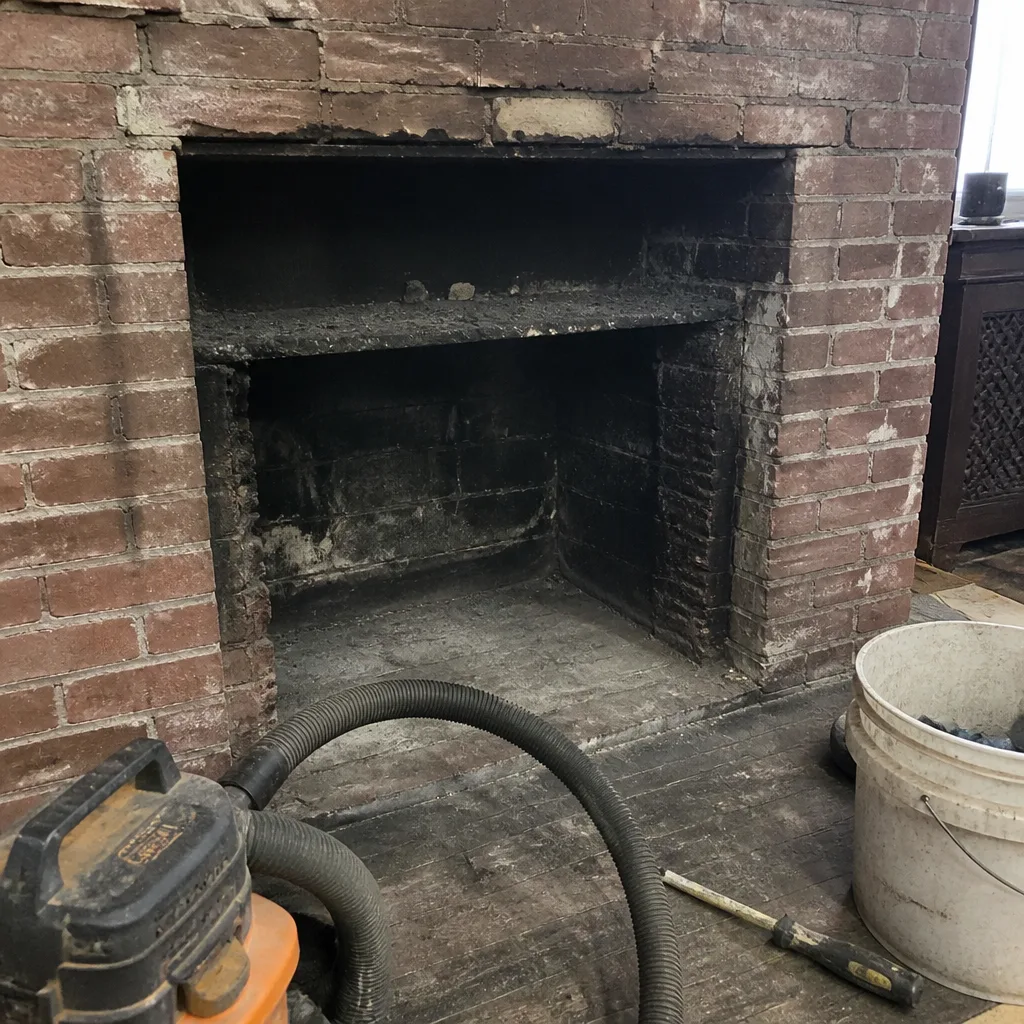 Before
 After
 Before
 After