
Last updated November 25, 2026
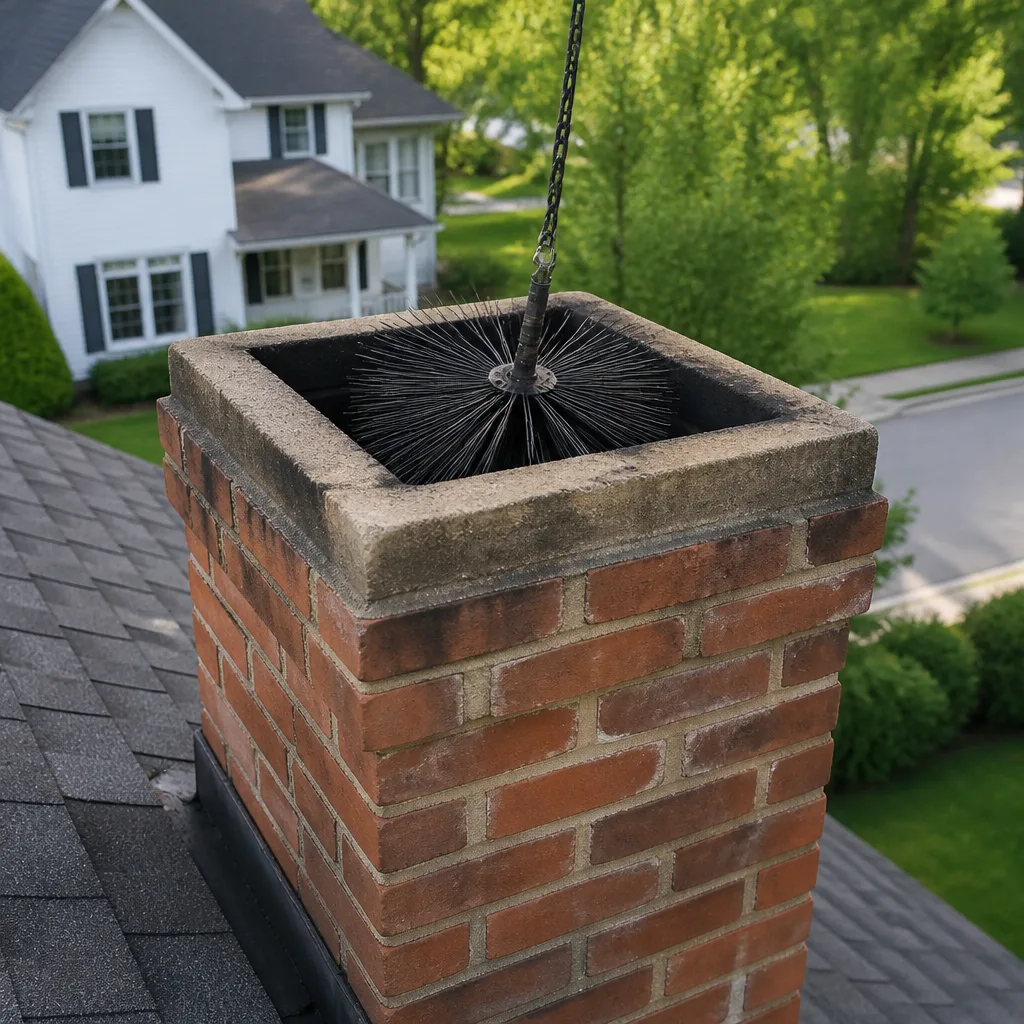 Sweep & inspection
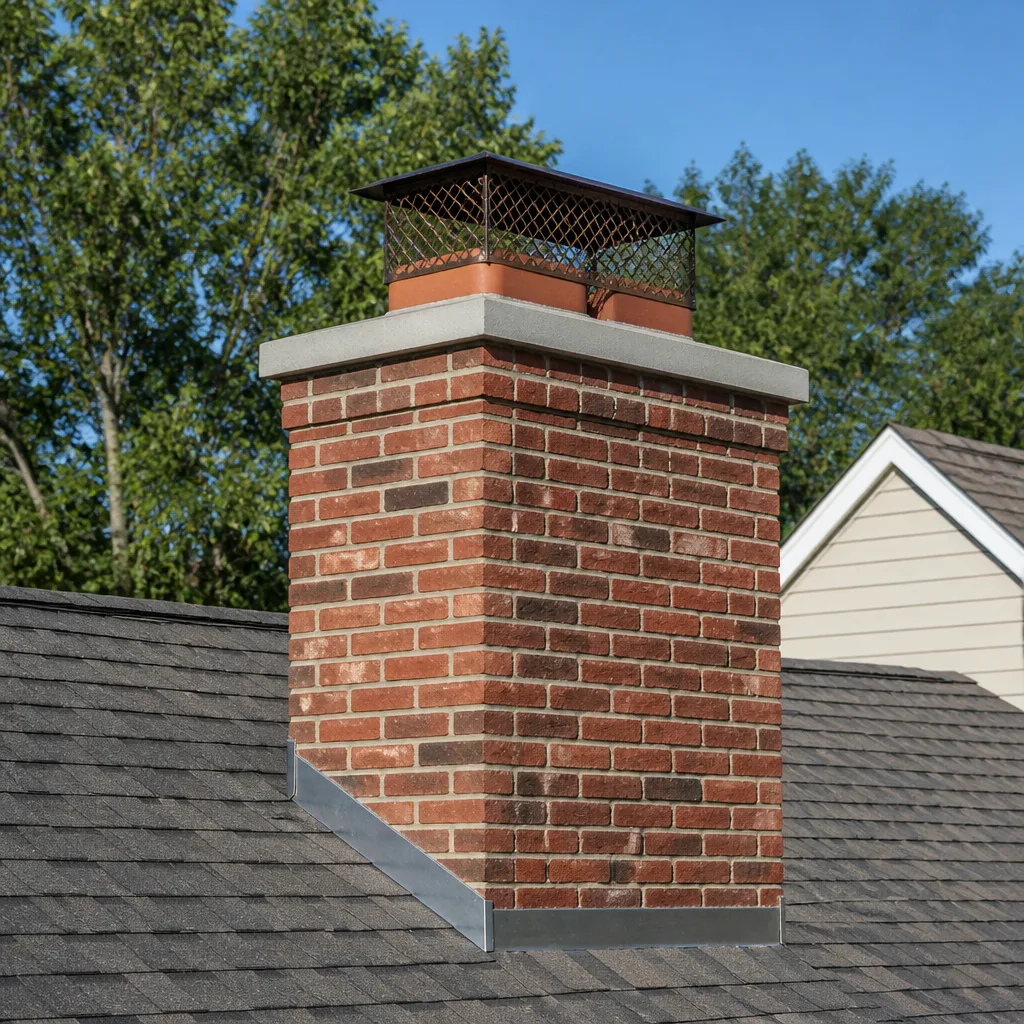 Caps & crowns
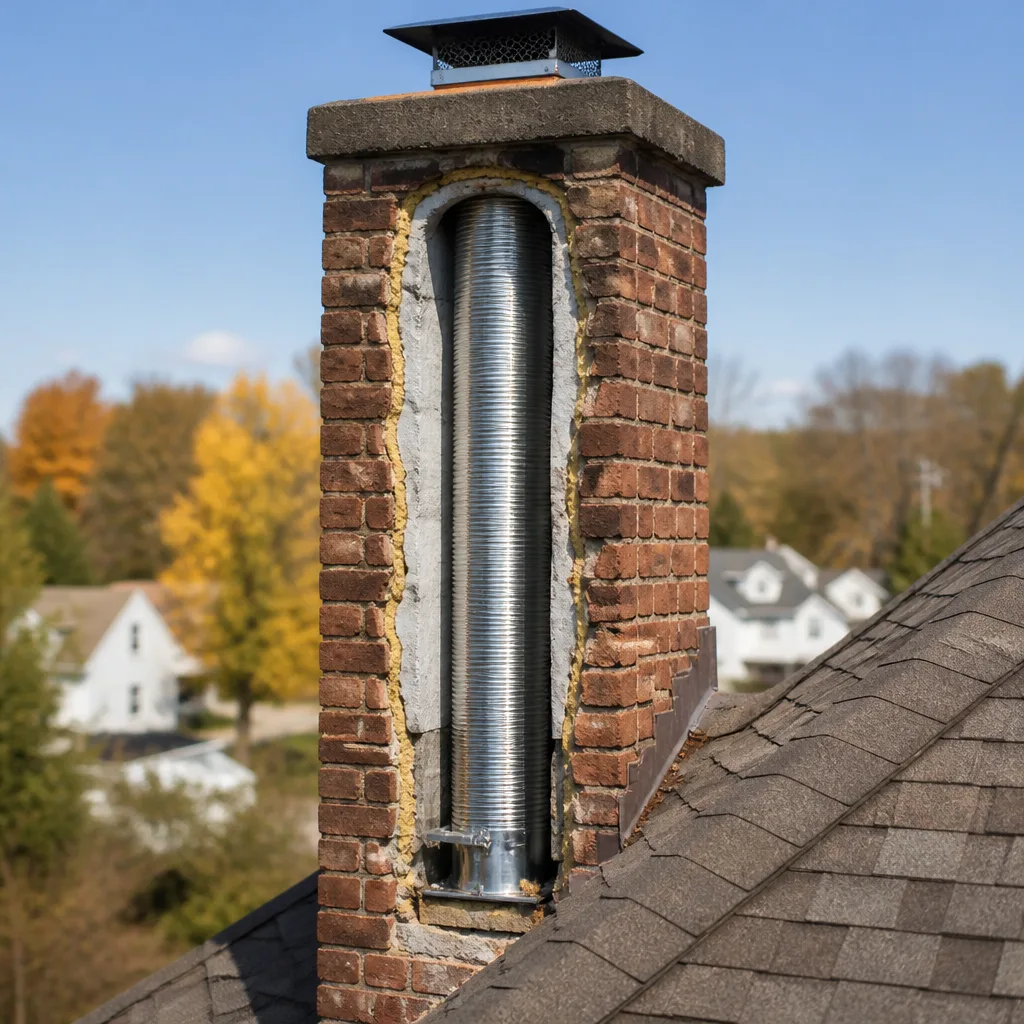 Flue relining
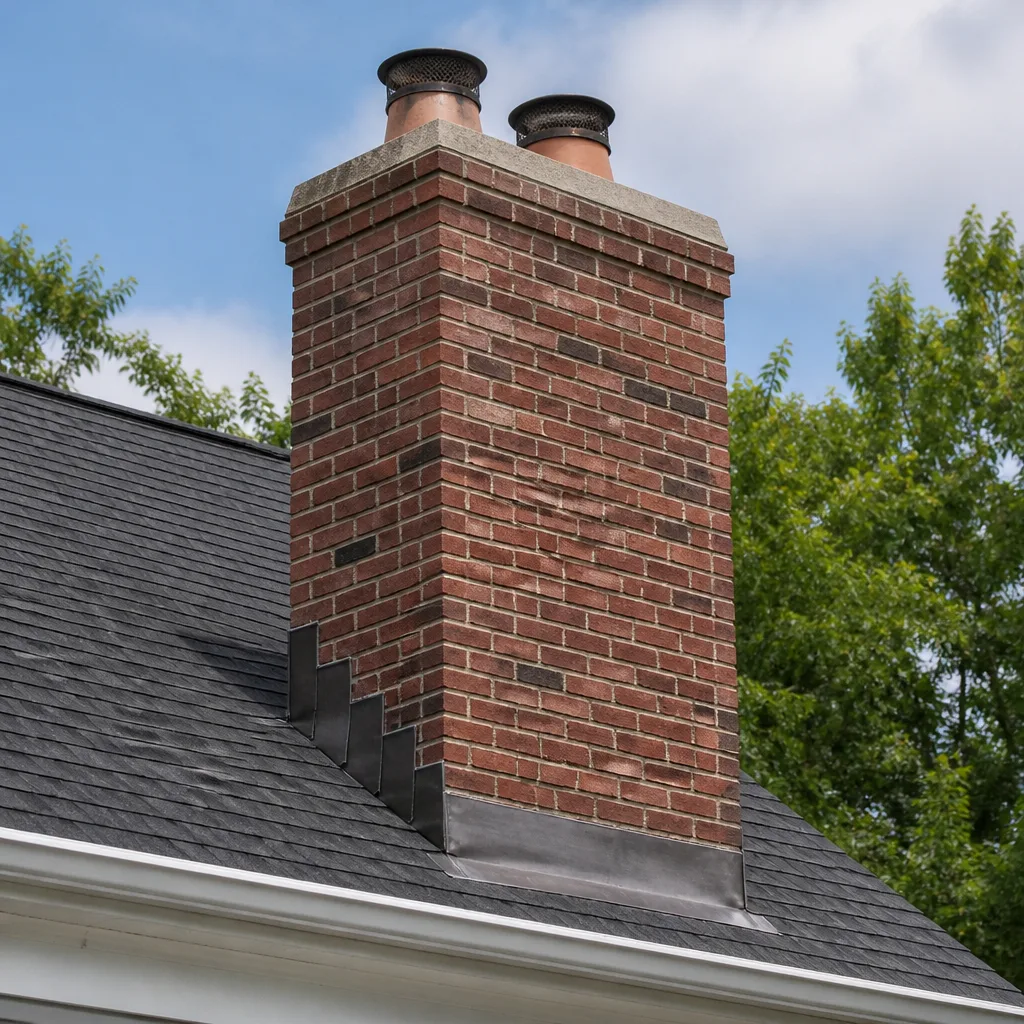 Masonry repair
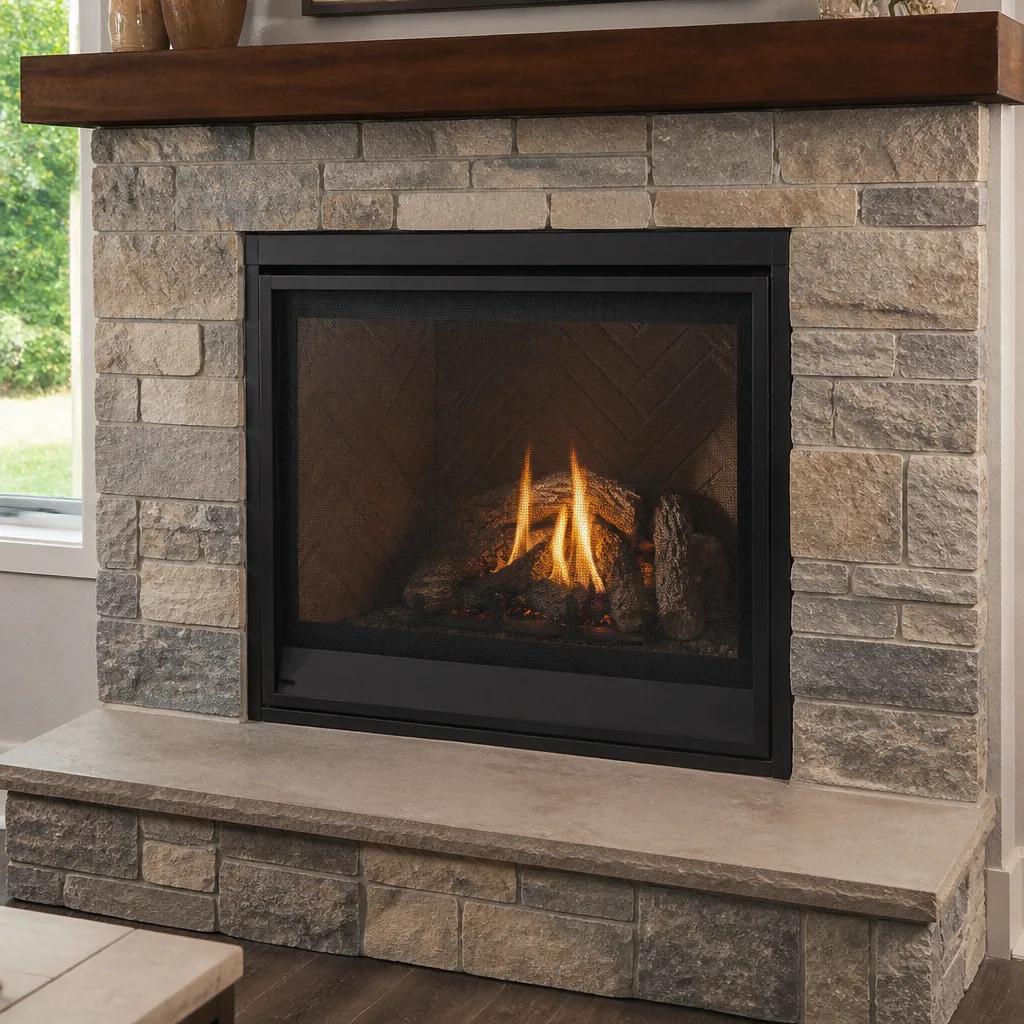 Gas fireplace service
Level 1 sweep and inspection to the NFPA 211 annual standard - flue, crown, cap, and flashing checked and photographed
Chimney sweep logs do not sweep chimneys. They loosen some creosote - which then falls where a brush and vacuum still have to collect it.
The Complete Guide to Chimney Cleaning in Harlem
Most chimney fires don’t start from neglect. They start from a glaze. A standard brush pass knocks down the soft, fluffy creosote and leaves the hard, tar-like layer bonded to the flue wall, and in the tall, high-draft flues common to Harlem’s rowhouses and brownstones, that layer builds faster than most homeowners expect. This guide maps the actual realities of chimney cleaning in Harlem: how pre-war building stock changes the method, when a Level 2 inspection is the right call, why creosote stage matters more than how often you sweep, and what a real sweep visit includes that a budget brush-and-go does not. Read it before you book anyone.
Quick Answer
Chimney cleaning in Harlem means removing creosote, soot, and blockages from the flue, then inspecting the liner, cap, and crown to confirm the whole system vents safely. How often depends on use and fuel: annually for actively used wood fireplaces, and on inspection for gas appliances and rarely used flues. The right method in a Harlem brownstone or pre-war walk-up depends on the flue’s shape, draft, and creosote stage, which is why a proper visit starts with an inspection, not a brush.
Styles & brands we work with
- Sweep & inspection
- Caps & crowns
- Flue relining
- Masonry repair
- Gas fireplace service
Table of Contents
- Why Chimney Cleaning in Harlem Isn’t a Generic Job
- How Often Should a Harlem Chimney Be Cleaned?
- The Three Stages of Creosote and Why They Matter
- The Three Levels of NFPA 211 Inspection
- What a Full-Service Sweep Visit Actually Includes
- Caps, Crowns, and the Local Law 11 Connection
- Wood, Gas, and the Multi-Family Chimney
- What Chimney Cleaning Costs in Harlem
Why Chimney Cleaning in Harlem Isn’t a Generic Job
Harlem’s housing stock shapes every chimney we work on. The neighborhood runs on five- and six-story brownstones and rowhouses built before World War II, plus converted multi-family walk-ups where one chimney chase may vent several flues at once. Those flues were built to a different logic than modern chimneys. They’re tall, which increases draft and pulls combustion gases up hard. They’re lined with clay terra cotta tiles, many of which are narrow and full of offset bends where the flue steps around a party wall or chimney shoulder.
Each of those features changes how cleaning is done.
- Tall flues and high draft: Strong upward pull is good for venting, but it also accelerates creosote accumulation as cooler flue gases condense on the upper walls. Tall Harlem flues often build glaze faster than shorter suburban chimneys drawing on the same fuel.
- Narrow clay-tile liners: Many pre-war tiles are tight enough that a standard round brush binds or skips. The sweep needs the correct brush diameter and stiffness to clean the tile without cracking it.
- Offset bends: Where the flue jogs, brushes ride the outside of the turn and miss the inner corner. Those corners collect creosote and are where you find the glazed deposits a single pass leaves behind.
- Aging terra cotta: Cracked or spalled tiles are common in pre-war chimneys, and a cracked tile means combustion gases can leak into the building’s structure. That’s a safety issue a cleaning visit should catch, not create.
We mention this because the actual chimney sweep you hire for a brownstone needs tools and know-how tuned to pre-war construction, not a generic kit used everywhere. When the sweep is set up correctly for the building, it does what it should: clears creosote, confirms the liner, and sends you a real report. When it’s not, you get a brush pulled through a flue that didn’t need cleaning and a liner that might.
How Often Should a Harlem Chimney Be Cleaned?
The baseline standard is annual inspection and cleaning for any chimney you burn wood in. That’s not a marketing number; it’s the interval most chimney professionals and code authorities work to, and it fits the way most Harlem households actually use their fireplaces: intermittently through a cold, damp heating season, which is exactly the use pattern that produces creosote in stages rather than steadily.
Annual is the floor, not the ceiling. Here’s how the interval shifts in Harlem specifically:
- Wood fireplace, regular winter use: Annual sweep and inspection. If you burn green or unseasoned wood, or burn often on cold evenings, expect glaze to build inside that year.
- Wood fireplace, occasional use: Annual inspection at minimum. A clean flue can still develop a cap or crown problem, a bird nest, or a cracked tile in a single season.
- Gas fireplace or gas appliance venting into the chimney: Gas doesn’t make creosote, but it produces condensation and can degrade the liner over years. Annual inspection, cleaning only if the inspection calls for it.
- Flue you don’t use: Still inspect it. An unused flue in a Harlem walk-up is a favorite roosting spot for birds and a common path for water intrusion at the crown.
- After a storm or a facade project: Get an inspection. Masonry work on a building’s exterior can loosen caps, crown mortar, and even drop debris into the flue.
A note on burning season
Harlem’s burning season is short and sharp. The best time to book a sweep is before the first cold snap, when the fireplace starts getting used and the schedule fills. If you’ve already started burning and something feels off, don’t wait for spring.
The Three Stages of Creosote and Why They Matter
Creosote is the residue of incomplete combustion that condenses inside the flue. It doesn’t form one uniform layer. It forms in stages, and each stage needs a different response. Skipping the difference between them is where a “cleaning” turns into a false sense of safety.
Stage 1: Sooty, flaky, brushable
This is the light, dusty-to-flaky deposit you find in the first visible zone of a chimney. A standard chimney brush removes it. Stage 1 is the residue most people picture when they think “chimney cleaning,” and it’s the stage a straightforward sweep handles cleanly.
Stage 2: Crusty and bonded
Stage 2 creosote has hardened into a crust that clings to the tile. It resists a standard brush and requires more aggressive mechanical action: stiffer brushes, rotary tools, or, in some cases, chemical softening before the mechanical pass. Stage 2 is where a too-quick sweep produces the illusion of a clean flue while leaving a bonded layer behind.
Stage 3: Glazed and tar-like
Stage 3 is a shiny, hardened glaze fused to the flue wall. It is the stage most associated with chimney fires, and it will not respond to a brush at all. Running a brush over Stage 3 glaze does nothing except pass the brush. The correct method is chemical: an agent that softens the glaze over time so it can then be removed mechanically. Products like Anti-Creo-Soot are formulated for this, and on pre-war Harlem flues with their tall, high-draft profiles, glaze builds exactly where it’s hardest to reach: high up and around offset bends.
A professional sweep identifies the stage on inspection, treats Stage 3 chemically if needed, and only then completes the mechanical clean and re-inspects. A sweep that reports “cleaned” on a flue you can see glaze on did not clean it.
The Three Levels of NFPA 211 Inspection
Not every inspection is the same. NFPA 211, the standard governing chimney and venting systems, defines three levels, and knowing which one your situation calls for is the difference between a visit that answers your question and one that doesn’t.
- Level 1: A visual inspection of accessible parts of the chimney and connected appliance. It looks at the firebox, damper, visible flue, and exterior. Appropriate when the system has been used normally and is in sound condition, and nothing has changed since the last inspection. It is the baseline annual inspection for most households.
- Level 2: Everything in Level 1 plus a closer inspection of the accessible parts of the flue, typically with a camera. Level 2 is required when a property changes hands, when an appliance changes type or fuel, after an event that could have caused damage (like a chimney fire or a storm), or when a building’s venting changes. This is the inspection most often called for during a co-op or condo sale, when a buyer’s attorney or an insurer wants documented condition.
- Level 3: The most involved level, and the least common. Level 3 applies when a Level 1 or Level 2 inspection reveals a hazard that requires access to concealed parts of the chimney: removing or opening a wall, or accessing a chimney chase not normally visible. Level 3 is diagnostic and structural in intent; it’s not a routine visit.
For Harlem specifically, Level 2 is the one that comes up more than homeowners expect. Pre-war buildings change hands often, and a co-op shareholder or a buyer’s lender frequently wants an inspection report on the fireplace before closing. Post-storm, after a facade project, or after any suspected flue damage, a Level 2 with a camera is the right tool. An inspection is not an upsell on a sweep; it’s how we know what the sweep should do.
What a Full-Service Sweep Visit Actually Includes
Here’s the part most guides gloss over: two visits that both call themselves “a chimney sweep” can look very different on site. The version that protects your home and your chimney involves a defined scope. When you book a sweep in Harlem, you should be able to verify the following checklist as it happens.
What a proper sweep visit includes
- Floor and hearth protection: Drop cloths and containment set before anything is touched, so soot and creosote don’t travel into the room.
- Access and seal: A tight seal at the firebox opening so a vacuum can capture dust while the flue is worked from the roof and, if needed, the bottom.
- Brush selection for the flue: The right brush diameter and stiffness for the tile, adjusted for narrow Harlem liners and offset bends, not one universal brush for every chimney.
- Creosote stage assessment: A visible judgment on whether the residue is brushable, crusty, or glazed, and a plan for treating it if it’s the latter.
- Blockage check: Birds, nests, fallen mortar, and debris cleared from the flue and the smoke chamber.
- Firebox, damper, and smoke shelf: Cleaned, and the damper checked to confirm it opens and closes properly.
- Camera review where warranted: A look at the flue interior above the reach of a hand mirror, especially on a Level 2 inspection.
- Cap and crown check: The top of the chimney inspected for a missing or damaged cap, and the crown checked for cracks, because these are the two most common points of water entry in a masonry chimney.
- Written findings: A report of what was found, what was cleaned, and what, if anything, needs repair, so you’re not taking anyone’s word for it.
What budget crews skip
A budget sweep often means a quick brush pass with no camera, no report, no cap or crown check, and no creosote-stage assessment. That leaves three common problems unaddressed: Glazed creosote that a brush can’t remove, a hairline crown crack that will let water into the masonry over the coming winter, and a missing cap that lets rain and birds straight into the flue. Any of the three is more expensive to fix after a season of water damage than it is to catch on a visit.
Caps, Crowns, and the Local Law 11 Connection
NYC Local Law 11 (now often referred to by its updated designation, FISP, the Facade Inspection and Safety Program) requires periodic inspection of building facades above a certain height. It’s a building envelope safety requirement, and it can be the moment crown and cap damage finally get noticed, since a facade inspection focuses on a building’s exterior at height. It won’t inspect your chimney’s interior or test your flue, but it can surface masonry problems at the top of the chimney that no one in the building has looked at in years.
The two most common water intrusion points in a masonry chimney are the chimney cap & crown:
- The cap: The lid over the flue. A missing, rusted-through, or displaced cap lets rain, snow, and birds into the flue. In a Harlem walk-up, an open flue is a nuisance and a slow drip into the firebox over a wet winter.
- The crown: The sloped concrete top of the masonry that sheds water away from the chimney’s brickwork. A cracked crown lets water into the masonry, where it freezes, expands, and spalls the brick face from the inside. Failures that start small become structural.
Cap and crown work is part of the same visit as a sweep, which is one reason we handle it under a single scope: diagnosis and repair in one relationship rather than a referral chain. We specify caps and crowns in trade-grade materials (Olympia Chimney, Famco, and Copperfield among them) because a big-box cap that rusts out in a few seasons defeats the purpose. When a chimney is missing its cap or showing a split crown, we treat that as a finding worth fixing on the same visit, not a separate project for another call.
Wood, Gas, and the Multi-Family Chimney
Harlem chimneys are rarely just one thing. A brownstone fireplace may be wood-burning at the parlor level and have a gas appliance on another floor venting into a different flue of the same chase. Converted multi-family buildings sometimes have several flues in a shared masonry stack. That mix matters, because each fuel and each configuration creates its own maintenance demands.
Wood-burning
Wood produces creosote, and creosote buildup is the safety reason for annual cleaning. The stage of creosote, not just the quantity, determines the method. Well-seasoned hardwood burned hot produces less; green wood or restricted air produces more, faster.
Gas
Gas produces no creosote, but it produces water vapor. Over years, condensation in a flue designed decades earlier for wood can degrade the liner. A gas appliance in an older Harlem chimney still calls for an annual inspection, because the liner condition is what protects the building.
Shared masonry stacks and the liner decision
When the flue liner is cracked, spalled, or missing in sections, the usual fix is a new stainless steel liner sized to the appliance, supplied through professional lines such as DuraFlex. When the flue is still structurally sound but the liner surface is deteriorated, a ceramic resurfacing system like HeatShield can restore the interior without a full reline. The distinction matters: the right answer depends on camera evidence of the actual condition. A cracked, spalled terra cotta tile in a tall Harlem flue is not something to patch blind.
What Chimney Cleaning Costs in Harlem
Chimney cleaning in Harlem is priced per job, and the price is set by a written estimate after someone has actually looked at the chimney. Costs vary widely by the work involved: a straightforward sweep of an accessible flue is one thing, a Stage 3 glaze treatment in a tall pre-war flue with offset bends or a combined sweep and cap replacement is another. A reputable professional gives you a flat, written price before booking, so you know what the visit will cost before anyone is on the roof.
What drives the price up in Harlem specifically:
- Flue access: Roof access on a five-story walk-up is more involved than a single-story chimney, and the building type is a real factor in the estimate.
- Creosote stage: A Stage 1 brush clean is the baseline. Stage 2 mechanical work or Stage 3 chemical treatment adds scope and time.
- Offset bends and narrow liners: Pre-war flues take longer and need more careful tooling than a straight modern flue.
- Combined repairs: Cap, crown, or liner work scheduled with the sweep is almost always better priced than a return visit.
We don’t publish fixed prices, because doing so would either overcharge a simple job or underprice a complex one, and neither is honest. What we do commit to is a flat-price visit agreed before booking and a written scope of what’s included. Call (833) 468-5664 for a free estimate on your chimney cleaning in Harlem. Estimates are free, and there’s no obligation.
Common Mistakes to Avoid
- Booking a sweep without an inspection. A brush-and-go visit tells you nothing about the liner, the cap, or the creosote stage. The inspection is the foundation, and the cleaning should follow from it.
- Assuming one brush pass is a full clean. In tall, high-draft Harlem flues, glazed creosote accumulates high up and around offset bends where a single pass misses it. A sweep that never checks the upper flue hasn’t cleaned it.
- Ignoring the cap because it’s out of sight. A missing or rusted cap is the simplest water intrusion there is, and it’s one of the most common things found on a routine visit. Fix it before it costs you a season of drip into the firebox.
- Treating a cracked crown as cosmetic. A hairline crown crack pulls water into the masonry, and freeze-thaw cycles spall the brick from the inside. It’s a small repair early and a structural repair later.
- Not asking for the creosote stage. If a sweep reports “cleaned” without telling you whether the residue was Stage 1, 2, or 3, you don’t actually know the condition of your flue. Ask. A real sweep will tell you.
- Skipping the annual visit because the flue looks clean from the firebox. The most important part of a chimney is above the firebox and usually out of view. That’s where inspections earn their place.
- Cobbling together a sweep, an inspection, and a repair from three different contractors. Each one hands off a finding to another set of hands, and no one owns the conclusion. One company seeing the whole picture, from inspection through repair, is the cleaner arrangement.
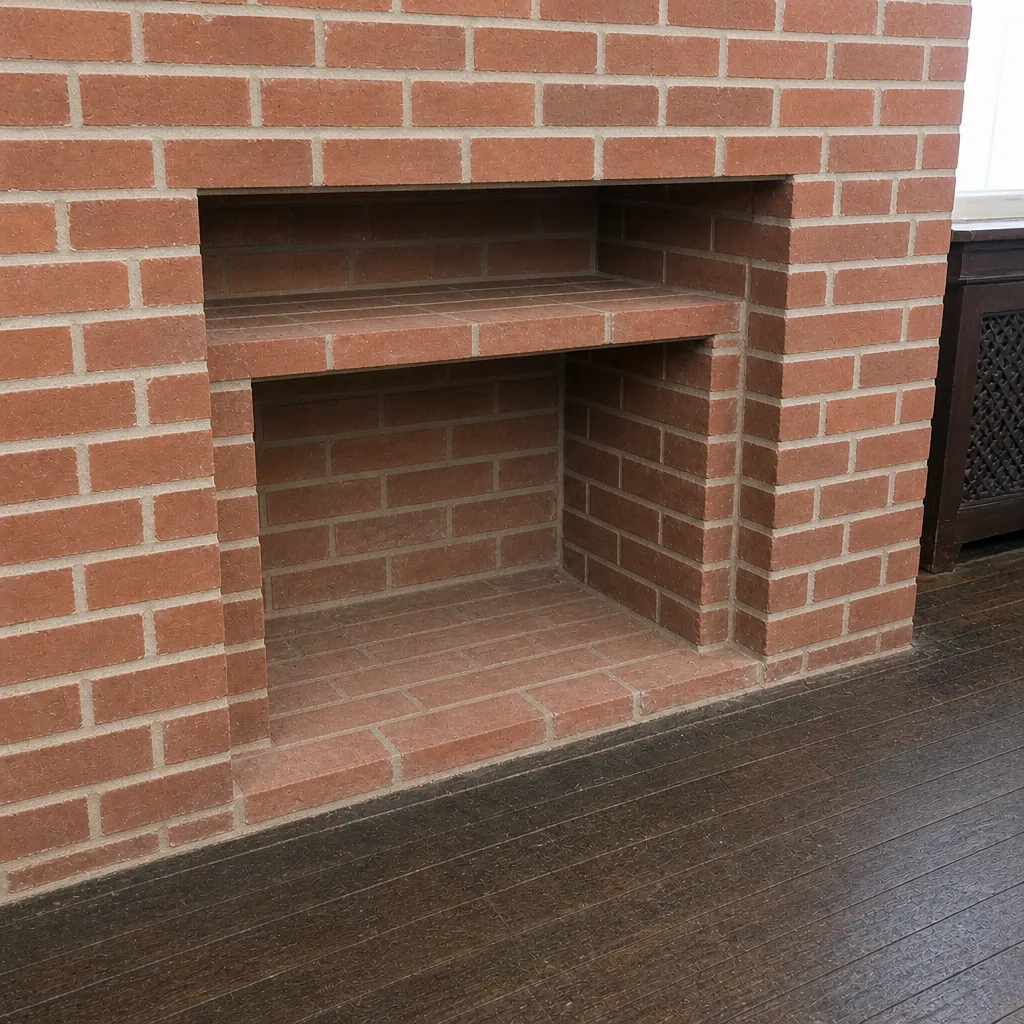
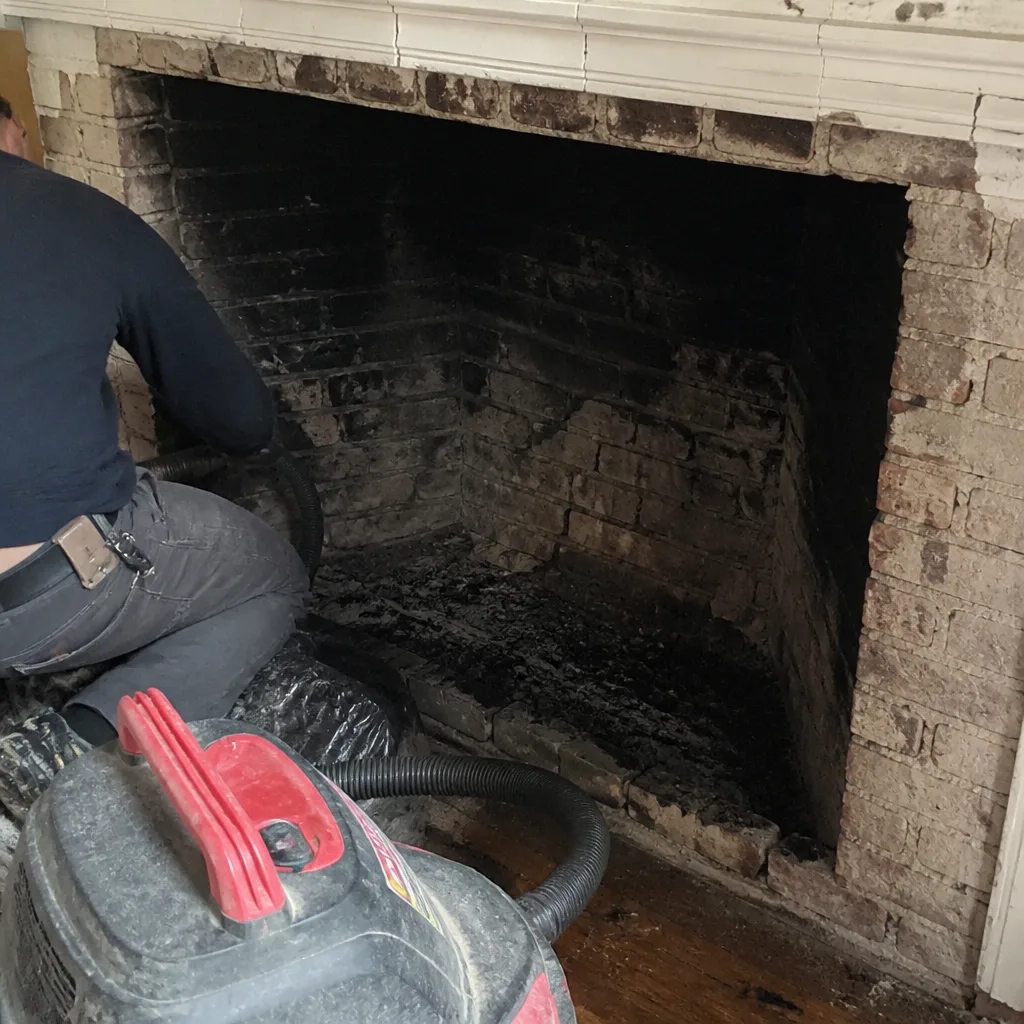
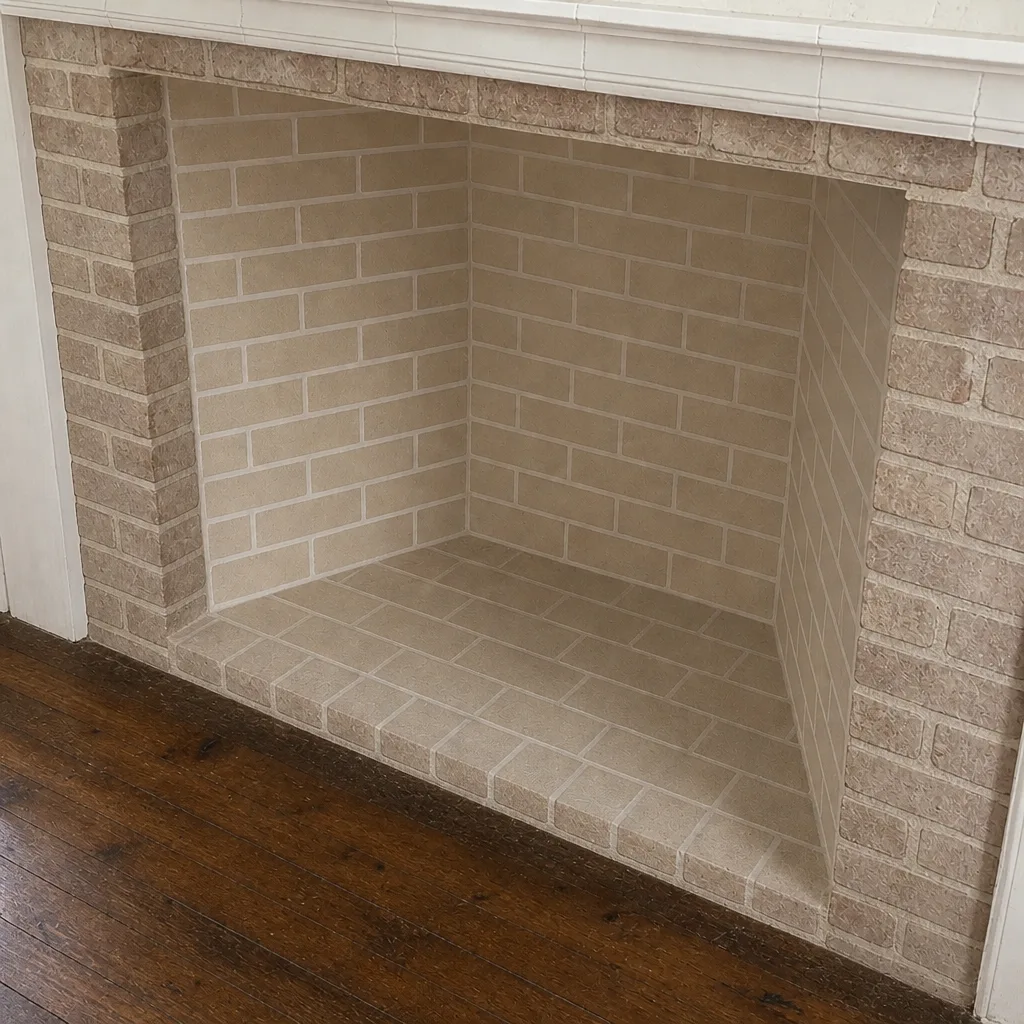
See the difference
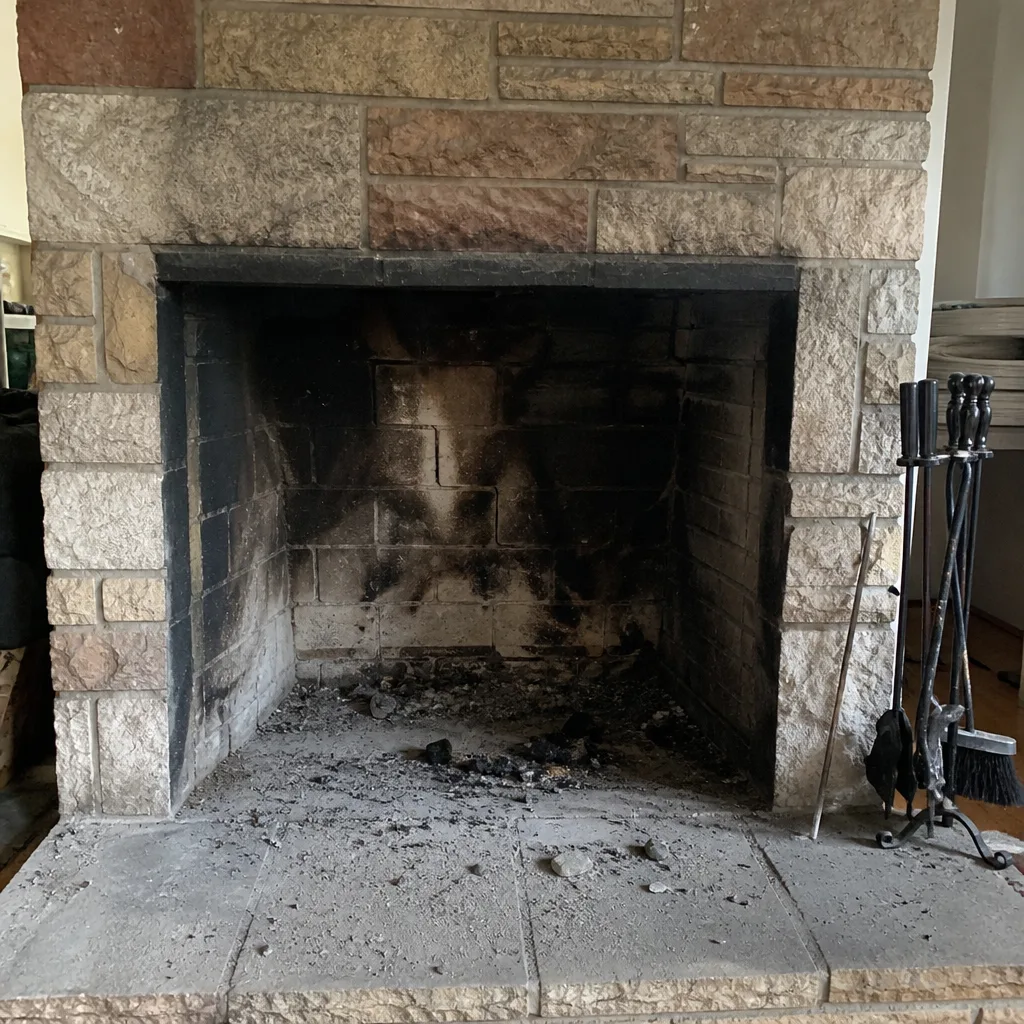 Before
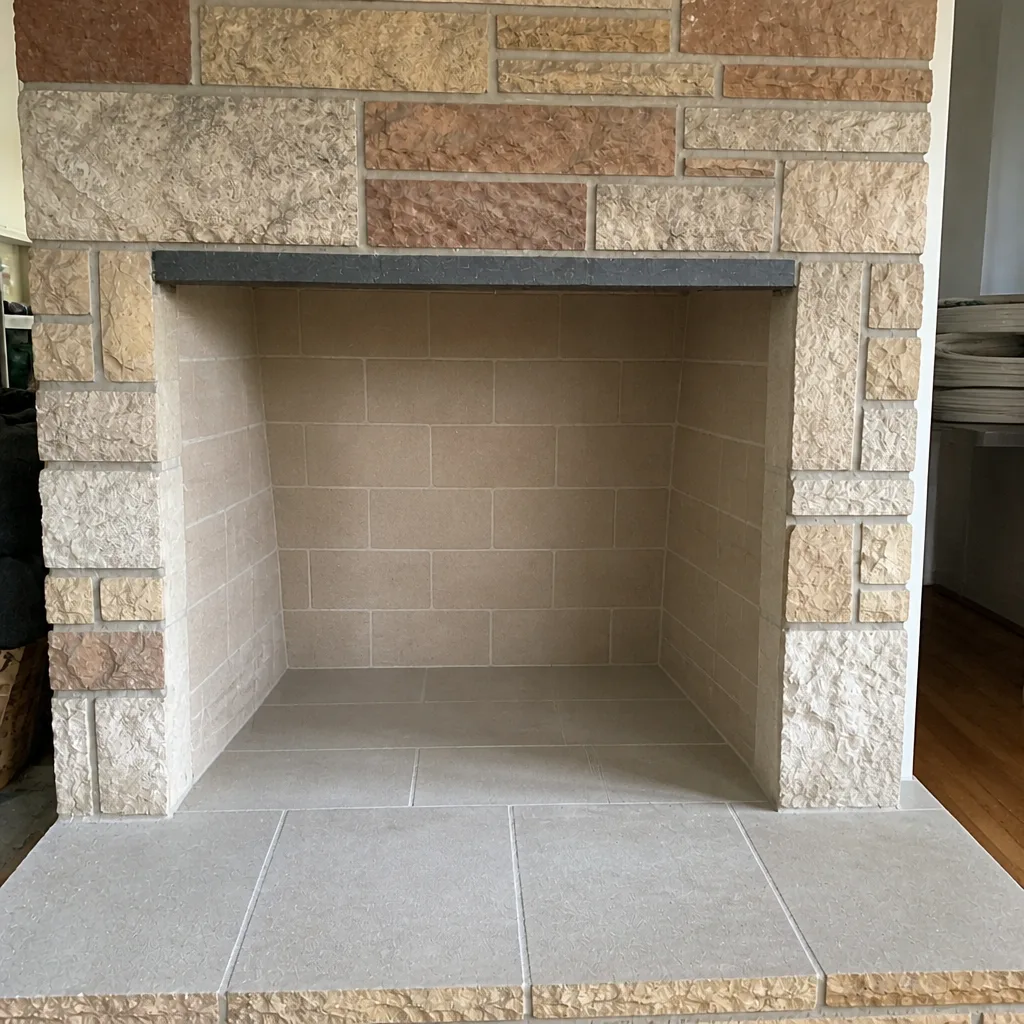 After
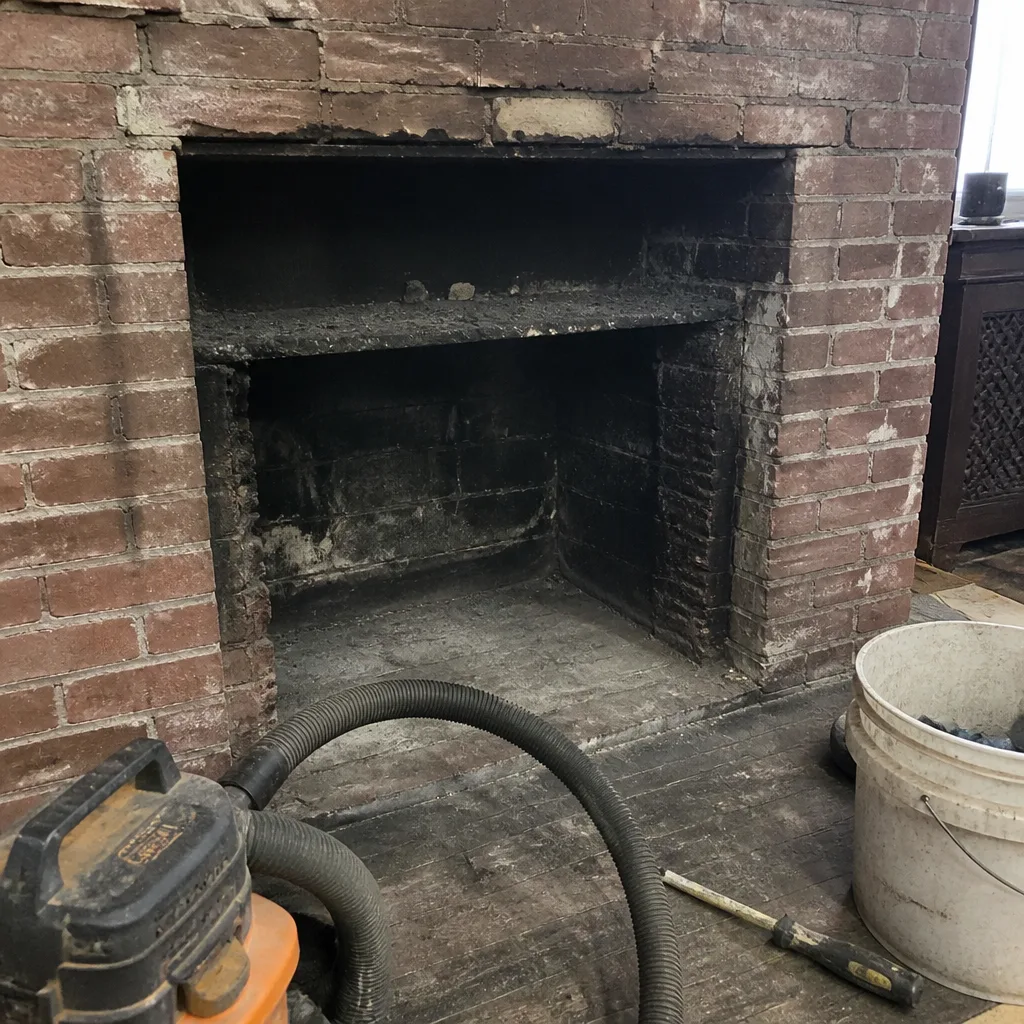 Before
 After
 Before
 After
When to Call a Professional
Some chimney work is genuinely a professional’s job, and here’s the honest list: any suspected chimney fire (even one you think you managed to put out), visible cracked or spalled flue tiles, glaze you can see on the flue wall, a missing or damaged cap or crown, a wood or gas appliance that has changed since the last inspection, an inspection required for a home sale or insurance policy, and any pre-war flue you’ve never had looked at. The spring-and-fall sweep is the routine call. The inspection call is the one that should never be deferred. Chimney Sweep Harlem offers free estimates in Harlem, and we can work with your insurer when an inspection report is needed. Call (833) 468-5664 to book a sweep, an inspection, or both. We answer 24/7. Fast dispatch from 7am to 7pm, Sunday through Friday.
Frequently Asked Questions
Chimney cleaning in Harlem is priced per job by a written estimate after an inspection, because the actual cost depends on flue access (a five-story walk-up is more involved than a single-story), creosote stage, and whether cap or crown repair is bundled in. The estimate is free and the written scope sets the final price. Call (833) 468-5664 for an exact quote. Estimates are free.
Annually for any chimney you burn wood in, and annually for inspection even if you burn gas or rarely use the fireplace. Tall pre-war Harlem flues with high draft can build glaze faster than the annual cycle assumes, so if you burn often or use unseasoned wood, get the flue inspected mid-season. Call (833) 468-5664 to schedule a sweep before the burning season gets busy.
Only if inspection shows the liner is actually compromised: cracked or spalled tiles, missing sections, or a liner too small for the appliance. A camera inspection tells you the truth. When the liner is sound but its surface has deteriorated, a ceramic resurfacing system like HeatShield can restore it without a full reline, and when the liner needs replacement, DuraFlex stainless systems are the standard. Nothing is recommended without camera evidence you can review. Call (833) 468-5664 with what you’ve been told, and we’ll tell you what we see.
Creosote builds in stages, and the higher stages are the ones most associated with chimney fires. A flue you skip isn’t just dirty; it can be carrying a glazed deposit a future visit may need chemical treatment to remove, and it can hide a cracked crown, a missing cap, or a damaged liner that lets water or combustion gases into the building. The risk isn’t cosmetic. Call (833) 468-5664 and book an inspection so you know exactly where your flue stands.
Yes, in most cases. NFPA 211 requires a Level 2 inspection when a property changes hands, and in Harlem that’s typically a co-op or condo sale where a buyer, lender, or insurer wants a documented report on the fireplace and chimney. A Level 2 includes a camera inspection of the flue. Call (833) 468-5664 to book one before closing.
Yes, in most cases. A missing or damaged cap is one of the most common findings on a routine sweep, and it’s one of the two most common points of water intrusion in a masonry chimney (the other is the crown). We handle cap and crown work in the same relationship as the sweep, so it doesn’t turn into a second project. Call (833) 468-5664 to book a sweep and a cap check together.
The Bottom Line
Chimney cleaning in Harlem is a specific job shaped by pre-war building stock: tall, high-draft flues, narrow clay-tile liners full of offset bends, and several flues sharing a single masonry stack in converted multi-family buildings. The counterintuitive truth is that the fire risk is often in the glaze a brush misses, not in the soot a brush removes. The right approach is defined scope: an inspection first, a sweep based on what it finds, creosote treated to its actual stage, and cap and crown damage caught before water gets into the masonry. A Level 2 inspection when a building changes hands, and a camera wherever the flue can’t be seen. One company seeing sweep, inspection, and repair together is a cleaner arrangement than three contractors handing findings back and forth. With up to 13 years of technician experience and trade-grade materials from DuraFlex, HeatShield, Olympia Chimney, Famco, and Copperfield, we work the full scope under one call.
If you book one thing this season, book the inspection. Everything else follows from it.
Chimney Sweep Harlem
Call (833) 468-5664 for a free estimate. We answer 24/7. Fast dispatch from 7am to 7pm, Sunday through Friday.
Sweep, inspection, cap and crown, chimney repair, and fireplace repair under one call.
Written by the team at Chimney Sweep Harlem.