
Last updated November 25, 2026
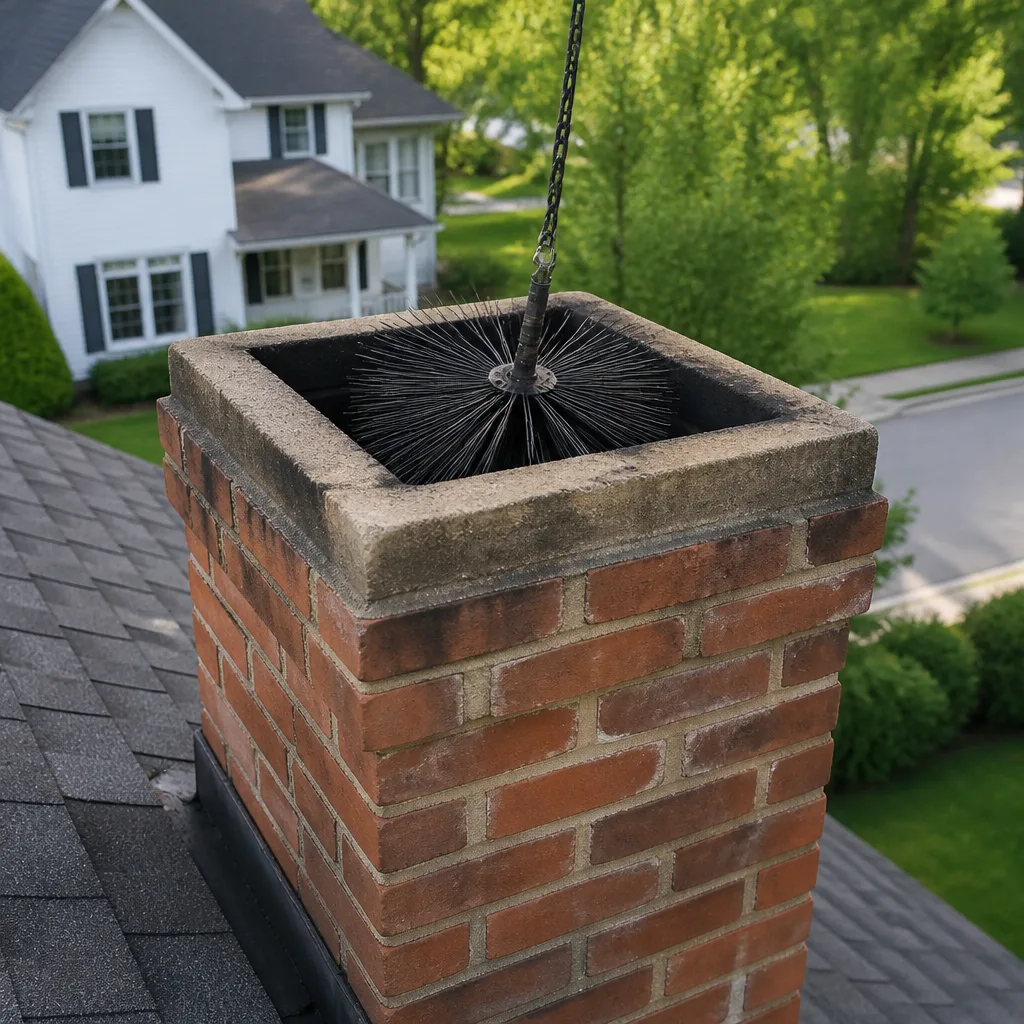 Sweep & inspection
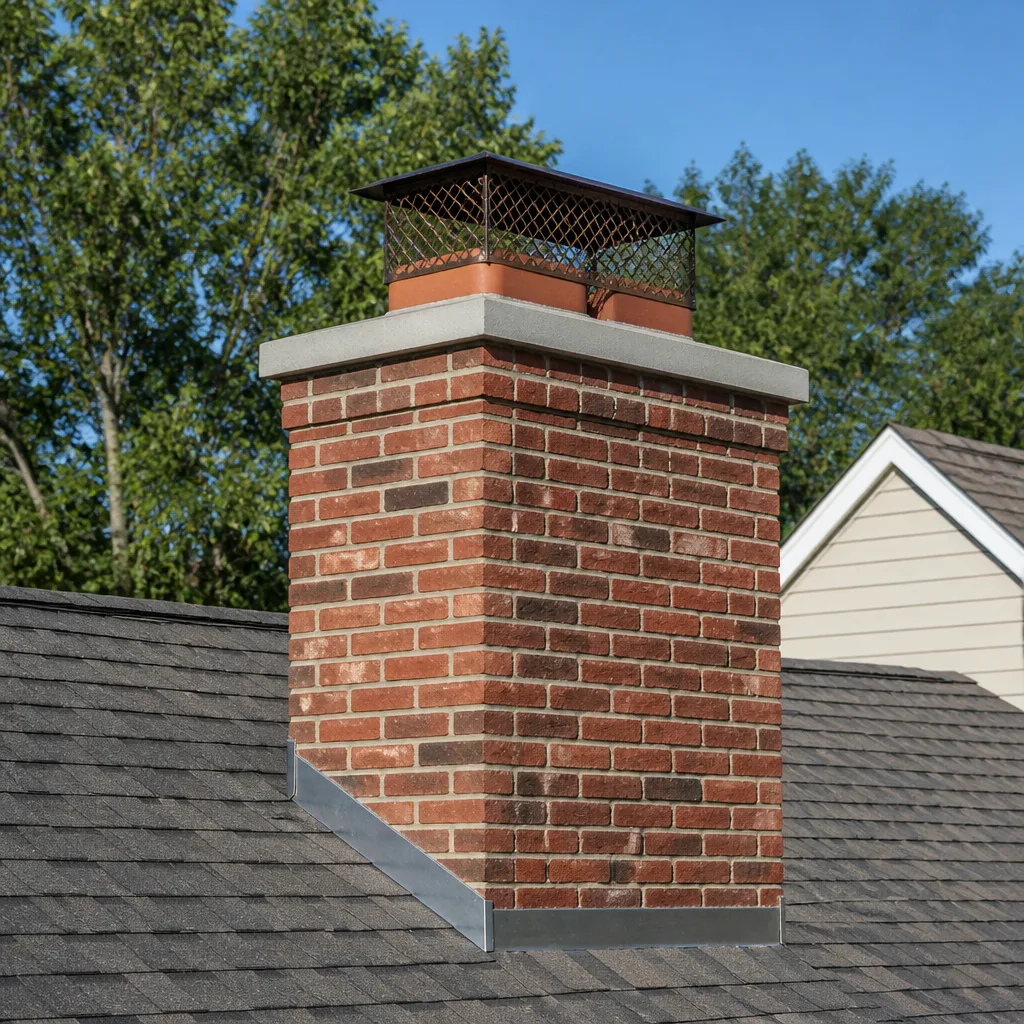 Caps & crowns
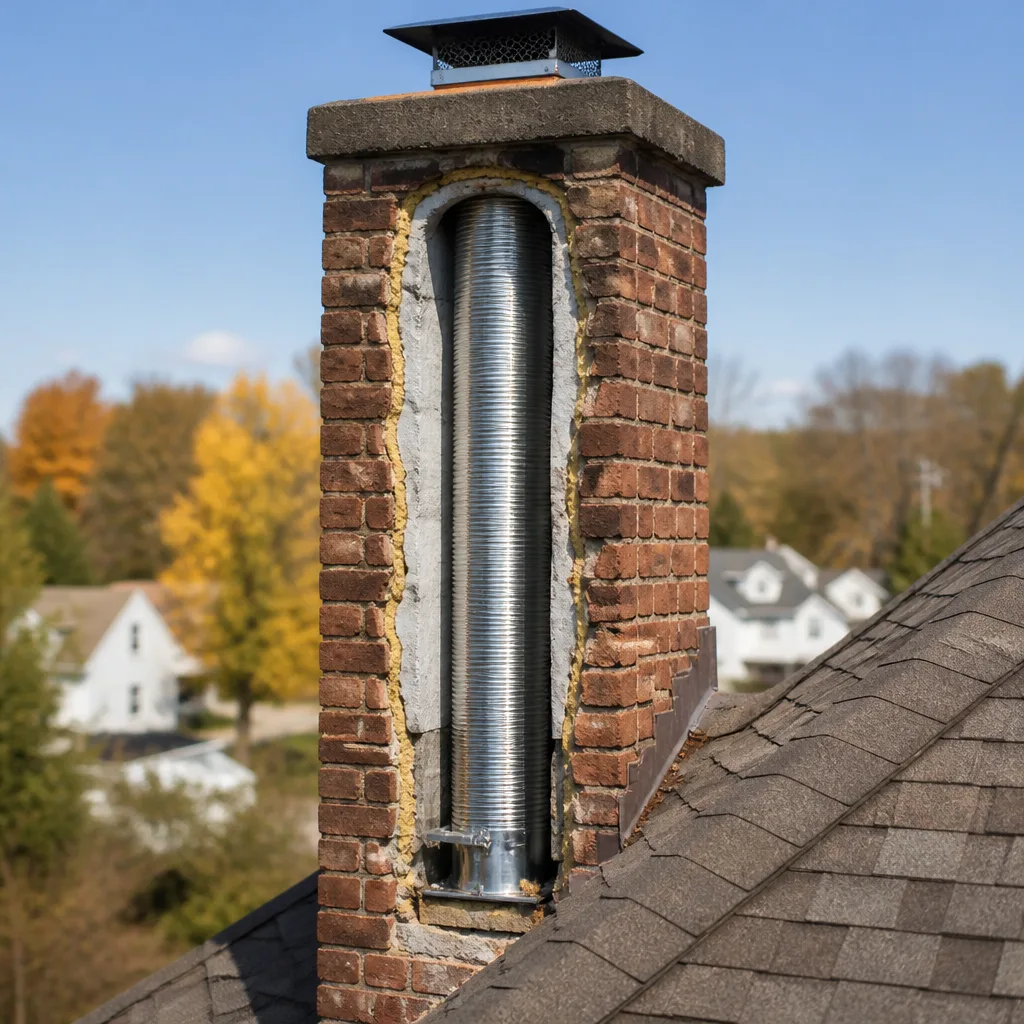 Flue relining
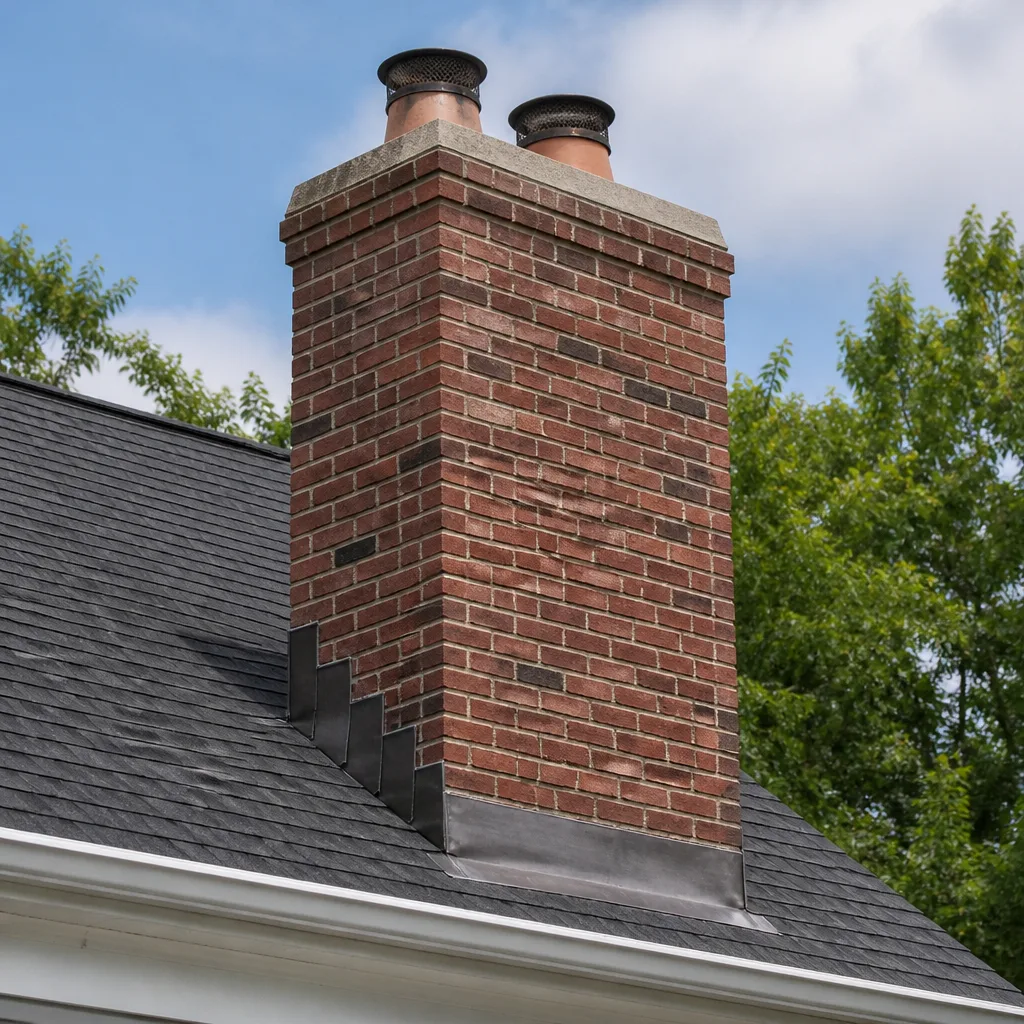 Masonry repair
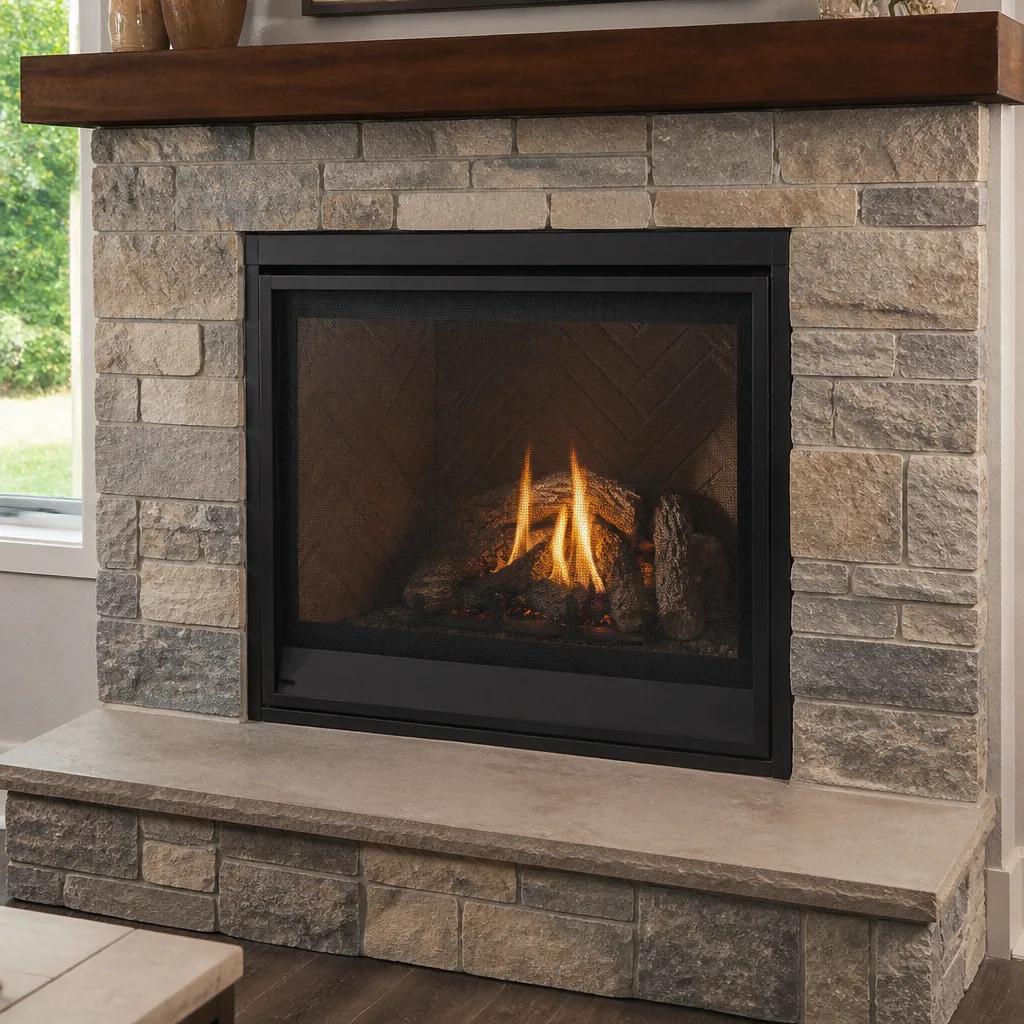 Gas fireplace service
Level 1 sweep and inspection to the NFPA 211 annual standard - flue, crown, cap, and flashing checked and photographed
Chimney sweep logs do not sweep chimneys. They loosen some creosote - which then falls where a brush and vacuum still have to collect it.
Seasonal Chimney Cleaning Care for Harlem: Year-Round Homeowner’s Guide
Most homeowners think about the chimney in October, when the first cold snap hits and the fireplace suddenly matters again. In Harlem, that timing is backwards. Summer is actually when a chimney takes on the most moisture damage: a flue left open to humid July air gathers condensation inside the clay tile liner, and that moisture starts the slow work of spalling long before you ever light a fire. Winter freeze-thaw then widens whatever the summer started. This guide lays out a four-season rhythm for chimney care in Harlem, from spring inspection priorities to mid-winter checks for heavy burners, and explains how the city’s air and heat island shape what ends up inside your flue.
Quick Answer
Chimney care in Harlem works best on a four-season cycle rather than a single annual sweep. Book a post-season inspection in spring, close the damper and address moisture in summer, sweep by mid-September before the first fire, and check creosote and draft mid-winter if you burn heavily. An open flue in humid summer air is where a lot of long-term liner damage begins, so treating summer as maintenance season, not off-season, is the core of caring for a chimney in this climate.
Styles & brands we work with
- Sweep & inspection
- Caps & crowns
- Flue relining
- Masonry repair
- Gas fireplace service
Table of Contents
- Why Harlem Chimneys Age Differently
- Spring: Post-Season Inspection Priorities
- Summer: The Moisture Season Most People Ignore
- Fall: Why Mid-September Beats October
- Winter: Mid-Season Checks for Heavy Users
- Creosote Accumulation by Fuel Type and Burn Frequency
- How the Urban Heat Island and Air Quality Shape Your Flue
- What a Proper Inspection Should Document
Why Harlem Chimneys Age Differently
A chimney in a suburban yard and a chimney on a Harlem block face genuinely different conditions, and the maintenance plan should reflect that. Three local factors push on the flue harder than most generic advice accounts for.
First, particulate load. Traffic exhaust, neighboring HVAC systems, and general urban air mean more fine particles settle on exterior masonry and get drawn into the flue when the fire is running. That adds to the deposit chemistry already forming from the fire itself.
Second, the urban heat island. Dense masonry and asphalt hold heat and release it slowly, so Harlem rooftops stay warmer overnight than surrounding areas. A warmer exterior changes the temperature differential between the flue and outside air, which affects how strongly a chimney drafts, especially in shoulder seasons when that differential is weak to begin with.
Third, humidity. Humid summers mean an open flue becomes a condensation chamber. Warm, moist air rises into a cooler clay liner and deposits moisture on the interior surface, where it soaks into the tile and the mortar joints holding it. Over enough summers, that is what produces the hairline cracks and flaking you see at inspection.
The practical takeaway: in Harlem, the chimney’s biggest enemy is often moisture and weak draft, not just creosote. Any care plan that only addresses “sweep once a year” misses half the story. When you’re ready to start, our Chimney Sweep Harlem team handles the full cycle from inspection through repair.
Spring: Post-Season Inspection Priorities
Spring is the right time to look closely at the chimney, because the heating season has just stressed it and the damage from the prior winter is still fresh. A post-season inspection in Harlem should focus on three things: what the fire left behind, what the winter did to the exterior, and whether the damper and cap are still doing their jobs.
Start with the flue interior. After a full season of burning, you want to know how much creosote is present and in what form. Soft, powdery creosote sweeps out readily; glazed, tar-like creosote bonds to the liner and signals you were running the fire cool or the wood was wet. That distinction changes what the next several months of care should look like.
Then look up and out. Winter freeze-thaw cycles are hard on masonry. Water gets into small cracks, freezes, expands, and opens them wider. The crown (the concrete cap on top of the chimney) and the cap (the metal cover over the flue) are the two most common points where water gets in. Check the crown for cracks, spalling, and separation from the flue. Check the cap for rust, loose fasteners, and damaged mesh.
One task people skip: close the damper after your final fire of the season and leave it closed. An open damper is an open door for humid spring and summer air, and it also lets conditioned air escape. If the damper doesn’t seal or is stuck, that’s a spring repair item, not a fall one.
Our technicians have up to 13 years of experience reading exactly these post-season signals, and we use camera inspection to see the liner without guesswork.
Summer: The Moisture Season Most People Ignore
Here’s the part that separates a Harlem chimney plan from a generic one. Summer is when the most cumulative damage happens, quietly. A flue open to humid July air accumulates condensation inside the clay tile liner, and moisture plus masonry is a slow, patient problem.
The fix starts with blocking the humid air at the top. A top-mount damper (the kind made by Lyemance or Lock-Top) sits at the chimney crown and seals the flue when the fireplace isn’t in use. It keeps out rain, humid air, and animals far better than a throat damper alone, and it addresses moisture at the source rather than after the damage is done. For a chimney that’s only used part of the year, that matters.
Summer is also the best time to identify active moisture damage, because the evidence is visible when the chimney is dry. Look for:
- White, chalky staining on exterior masonry (efflorescence), which suggests moisture moving through the brick
- Deteriorated mortar joints that crumble when probed
- Flaking or spalling on the inner faces of clay tiles, seen on camera inspection
- Rust stains below the cap, a sign water is getting past the crown
- Musty odor near the hearth on dry days
If the liner shows deterioration, a specialized ceramic resurfacing system can rebuild the flue interior rather than requiring a full reline. We work with HeatShield for exactly this situation, and it’s the kind of repair that lets a tired flue keep serving without tearing into more of the chimney than necessary.
Summer is also the calm season for scheduling. It’s the easiest time to get chimney cap & crown work done, since you’re not depending on the fireplace for heat.
Fall: Why Mid-September Beats October
The instinct is to book a sweep in October, right before the holidays. In Harlem, mid-September is the smarter target, and the reason is climate and calendar together.
By mid-September, the humid summer air is breaking and the chimney has had its moisture season. You want the sweep done before the first sustained cold, not after. Why? Two reasons. First, scheduling. October is peak demand, and the closer you get to the holidays, the tighter the calendar. Booking in mid-September means the work is done well before the first real fire. Second, timing of the inspection. A pre-season inspection done in September documents the chimney’s condition before it’s been through a burning season, giving you a clean baseline.
Here’s how we approach a fall visit:
- Camera inspection of the flue to establish creosote level and liner condition
- Sweep the flue and firebox, with the sweep method matched to the creosote type
- Check the damper operation and the cap and crown for any summer deterioration
- Confirm draft and check for any obstruction (birds, debris, deteriorated tile)
- Document findings with a photo report so you can see what we saw
That documentation piece matters more than people expect. If you’re selling a home, responding to an insurer’s request, or just want to know the honest state of the flue, a written record with photos is what you’ll need. A pre-season inspection should produce that, not just a verbal “looks fine.”
If your fireplace is gas rather than wood, the fall sweep still applies, but the focus shifts to the venting and the firebox rather than creosote. Our chimney sweep service covers both fuel types.
Winter: Mid-Season Checks for Heavy Users
Most guidance stops at “get a sweep before winter.” That’s incomplete for anyone who actually burns a lot. If you’re burning more than three cords of wood in a season, or running a gas insert continuously, a mid-season check in January or February is worth doing.
Why mid-season? Because creosote accumulates at a rate tied to how much you burn and how you burn it, and a chimney that was clean in September can carry a meaningful layer by February. A mid-season check catches that layer before it becomes a hazard and lets you adjust your burning habits for the rest of the season.
For heavy wood burners, watch for:
- Creosote buildup accelerating beyond what the burn rate alone would predict, which usually points to wet wood or cool fires
- A draft that’s weakened compared to the start of the season
- Smoke rolling back into the room on start-up
- Any change in the sound or smell of the fire
For gas insert users running continuously, the mid-season check is less about creosote and more about venting and the firebox itself. Gas produces its own deposits and moisture, and continuous operation is different from occasional use.
One winter habit worth adopting: burn dry, seasoned wood and run hot fires rather than long smoldering ones. Cool, smoldering fires are what produce the glazed creosote that’s hardest to remove and most concerning for safety. Creosote is flammable, and a chimney fire is a real risk when it accumulates. That’s the honest reason a mid-season check matters, not a sales tactic.
Creosote Accumulation by Fuel Type and Burn Frequency
Creosote forms differently depending on what you burn and how often. Understanding the pattern helps you know when to schedule Harlem chimney care rather than guessing.
Wood, occasional use (a fire most weekends in season): Creosote builds slowly, usually soft and powdery. A single pre-season sweep in September generally keeps up with it. Watch for wet wood, which changes this quickly.
Wood, heavy use (more than three cords a season, fires most days): Creosote builds noticeably and can turn glazed if fires run cool. This is where a mid-season check earns its keep. Glazed creosote needs more than a standard sweep and may require chemical treatment or liner work.
Gas inserts, continuous use: Less creosote, but deposits and moisture still accumulate. The concern shifts toward venting and the firebox, and an annual inspection covers it well.
Gas, occasional use: Low accumulation, but still worth an annual check for venting and any debris that found its way in.
The pattern to remember: the more you burn and the cooler you burn, the faster deposits form. Dry wood and hot fires slow it down. If you’re not sure which category you fall into, an inspection will tell you plainly. We don’t recommend a reline or a repair you don’t need; nothing gets suggested without camera evidence you can see for yourself, and we’ll tell you when work can safely wait.
How the Urban Heat Island and Air Quality Shape Your Flue
This is where Harlem chimney care gets interesting, and where a lot of generic advice falls short. Two urban factors change how the flue behaves.
Draft behavior. A chimney drafts because warm flue gas is lighter than cool outside air, and that temperature difference drives air up and out. The urban heat island keeps Harlem’s exterior warmer, which can weaken that differential in shoulder seasons. In practice, that means a chimney that drafts fine in a cold snap can be sluggish in a mild October. Shorter, cooler or damper conditions make draft weaker, and a weak draft means smoke lingers and deposits form faster. If your fireplace is temperamental in the shoulder seasons, draft is usually the explanation, not a mystery.
Deposit chemistry. Urban air carries fine particulates from traffic and exhaust. Some of that settles on exterior masonry and interacts with moisture to produce the chalky staining and accelerated mortar wear that’s common on city chimneys. Inside the flue, the fire’s own deposits dominate, but the ambient particles add to it. Over years, this is part of why an urban chimney can look and age worse than a rural one of the same vintage.
The practical response is the same as the rest of this guide: inspect on a schedule, keep moisture out in summer, and don’t assume a chimney is fine because a fire draws when the weather is cold. Proper draft diagnostics and chimney repair should account for these local conditions, not just the flue itself.
What a Proper Inspection Should Document
An inspection is only as useful as what it records. A thorough one in Harlem should leave you with a clear written picture of the chimney’s condition, backed by photos, so you can make decisions without guesswork. Here’s what to expect and what to ask for:
- A camera inspection of the flue, with photo evidence of the liner condition
- An assessment of creosote level and type, written down
- A check of the cap, crown, and flashing, with any defects noted and photographed
- A note on the damper’s operation and whether it seals
- A draft check and any observed obstruction
- A clear statement of what needs repair now, what can wait, and what’s purely cosmetic
We work with professional-grade materials from DuraFlex and Famco for liner and component work, and the point of naming that is simple: the materials hold up, and you can look them up yourself. The inspection is the foundation of everything else. It’s the smart starting point whether you’re facing a home sale, an insurance request, a post-storm assessment, or just a concern about the flue.
Common Mistakes to Avoid
- Waiting until October to book a sweep. In Harlem’s climate, mid-September is the right target; October is peak demand and you risk the fire season arriving before the work does.
- Leaving the damper open all summer. Humid July air in an open flue is a direct path to liner condensation and spalling. Close it after the final fire.
- Assuming the cap and crown are fine because they look fine from the ground. The crown and cap are the most common points of water intrusion, and freeze-thaw widens small cracks every winter. Check them up close.
- Burning wet or unseasoned wood to save money. Wet wood produces a cooler fire and more creosote, which costs more in the long run than dry wood saves. It’s a false economy.
- Skipping a mid-season check on heavy use. If you burn more than three cords a season, a January or February check catches accumulation before it becomes a hazard.
- Calling a generalist for a chimney problem. A handyman can sweep, but liner and structural work take specific materials and know-how. Diagnosis and repair should live in one relationship.
- Accepting a repair recommendation without seeing the evidence. If a photo report shows what’s wrong and why, and the shop uses trade-grade materials, you can trust the recommendation. If not, ask for the camera evidence.
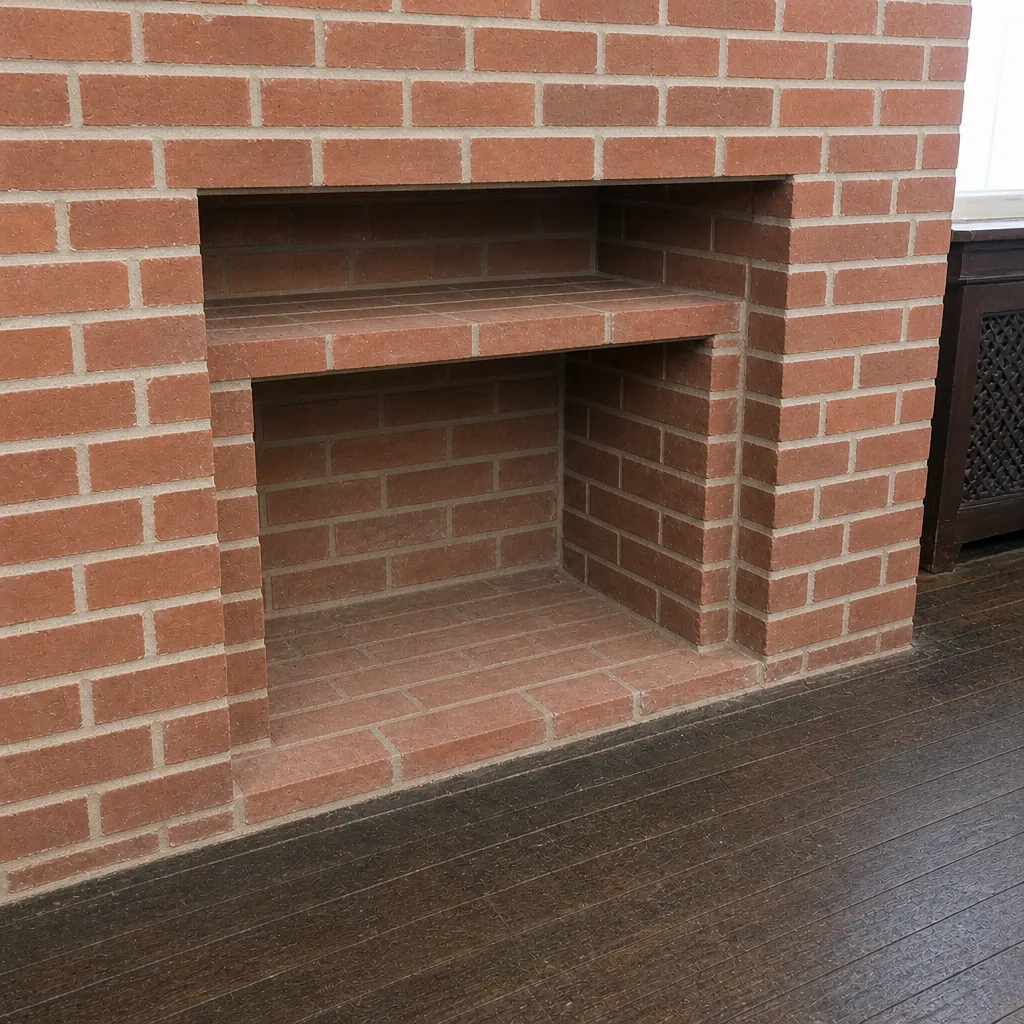
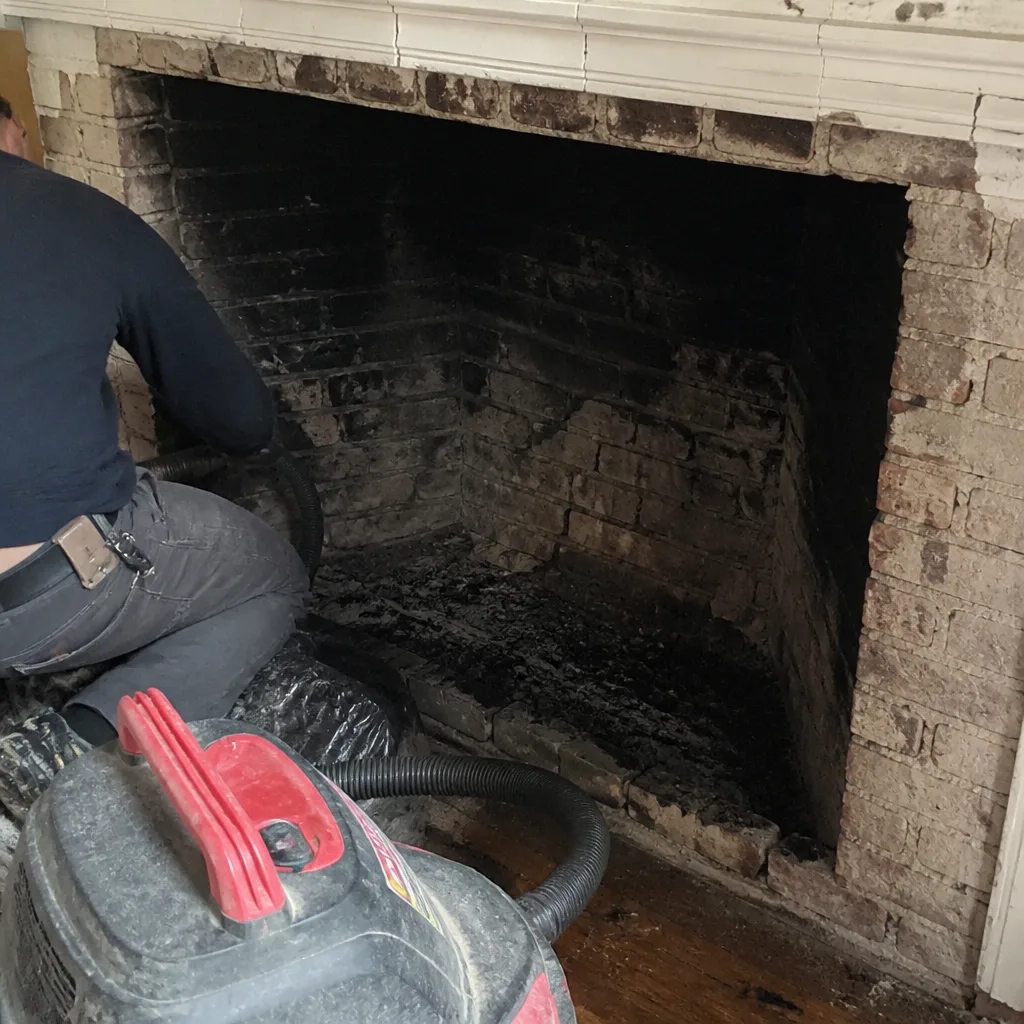
See the difference
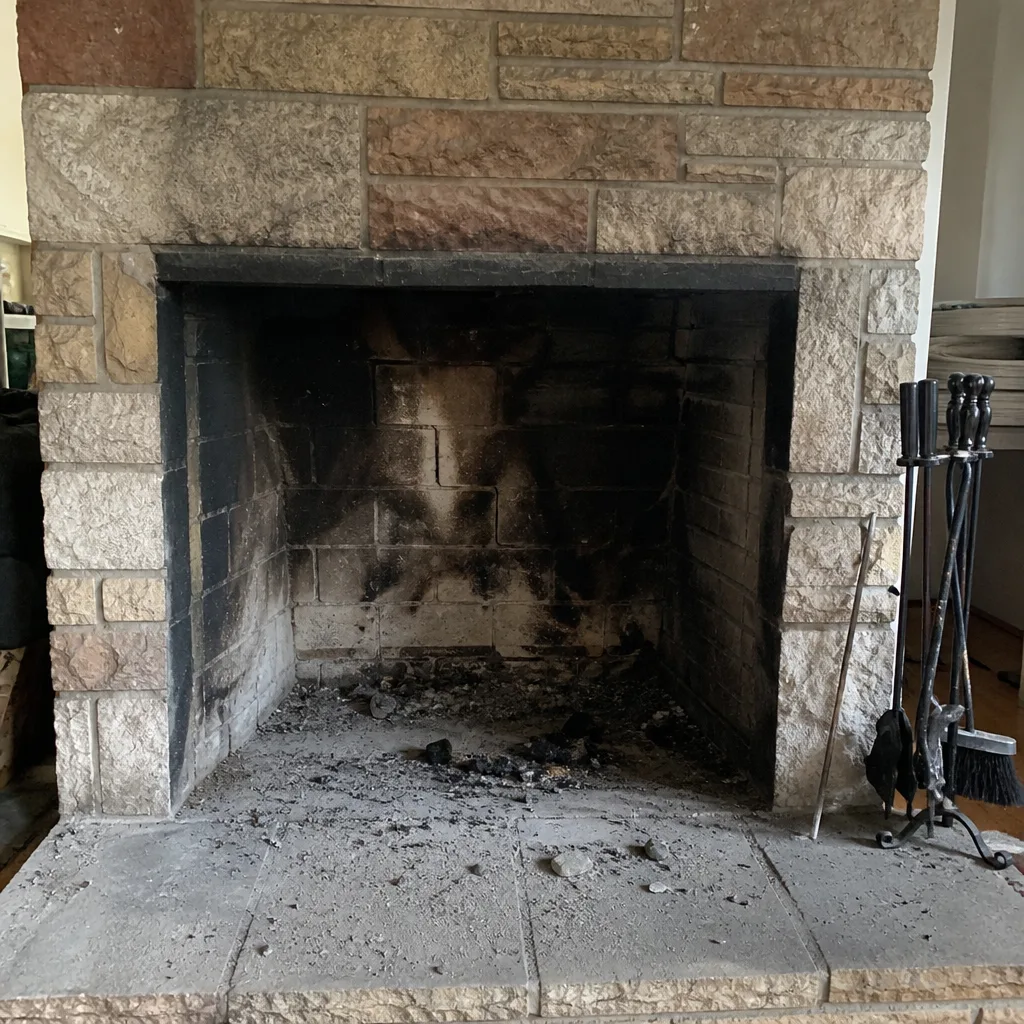 Before
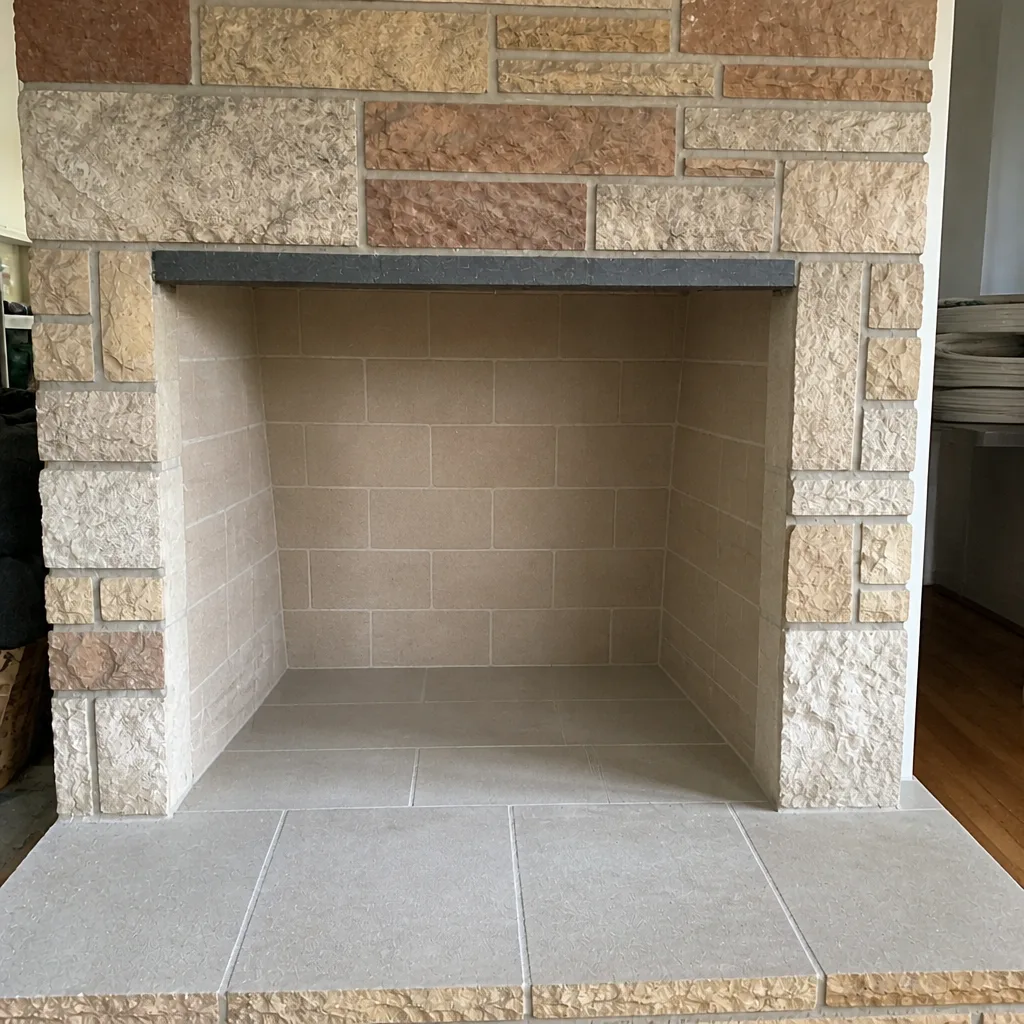 After
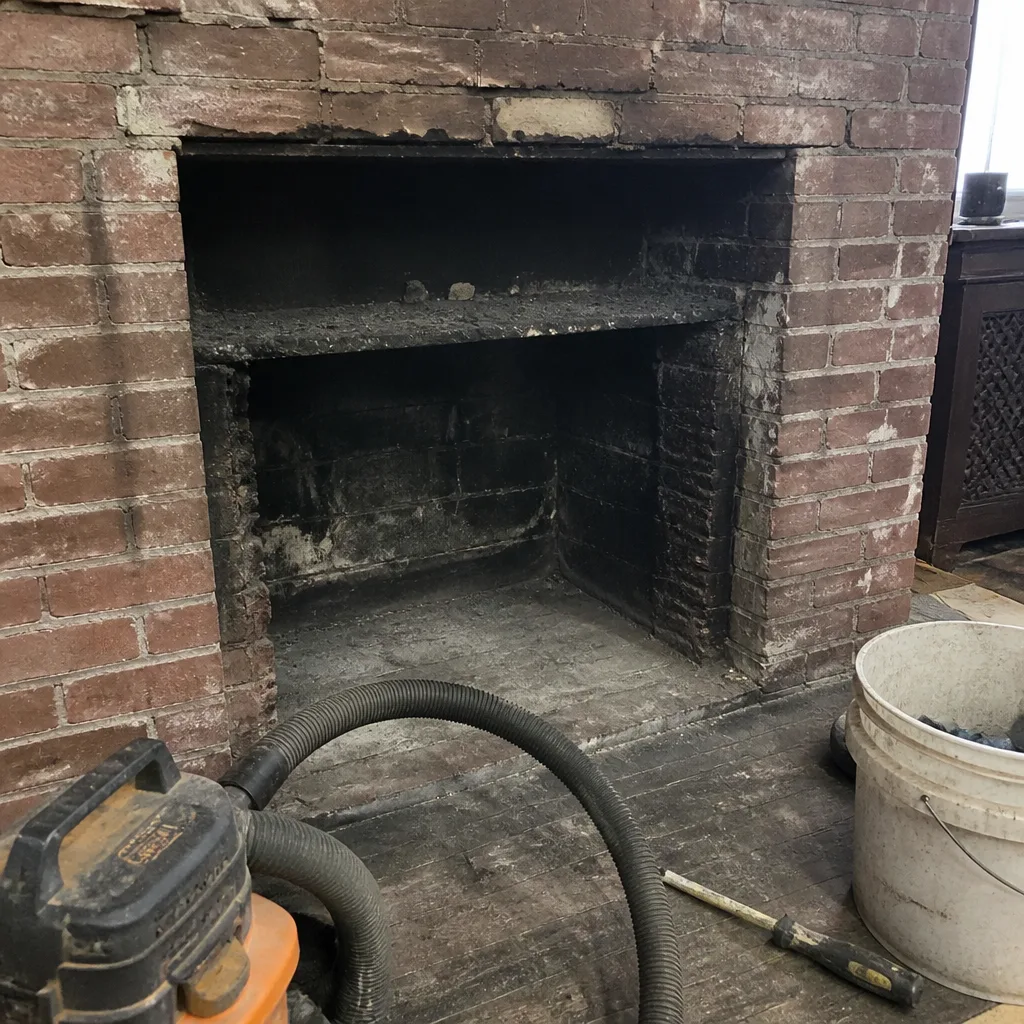 Before
 After
 Before
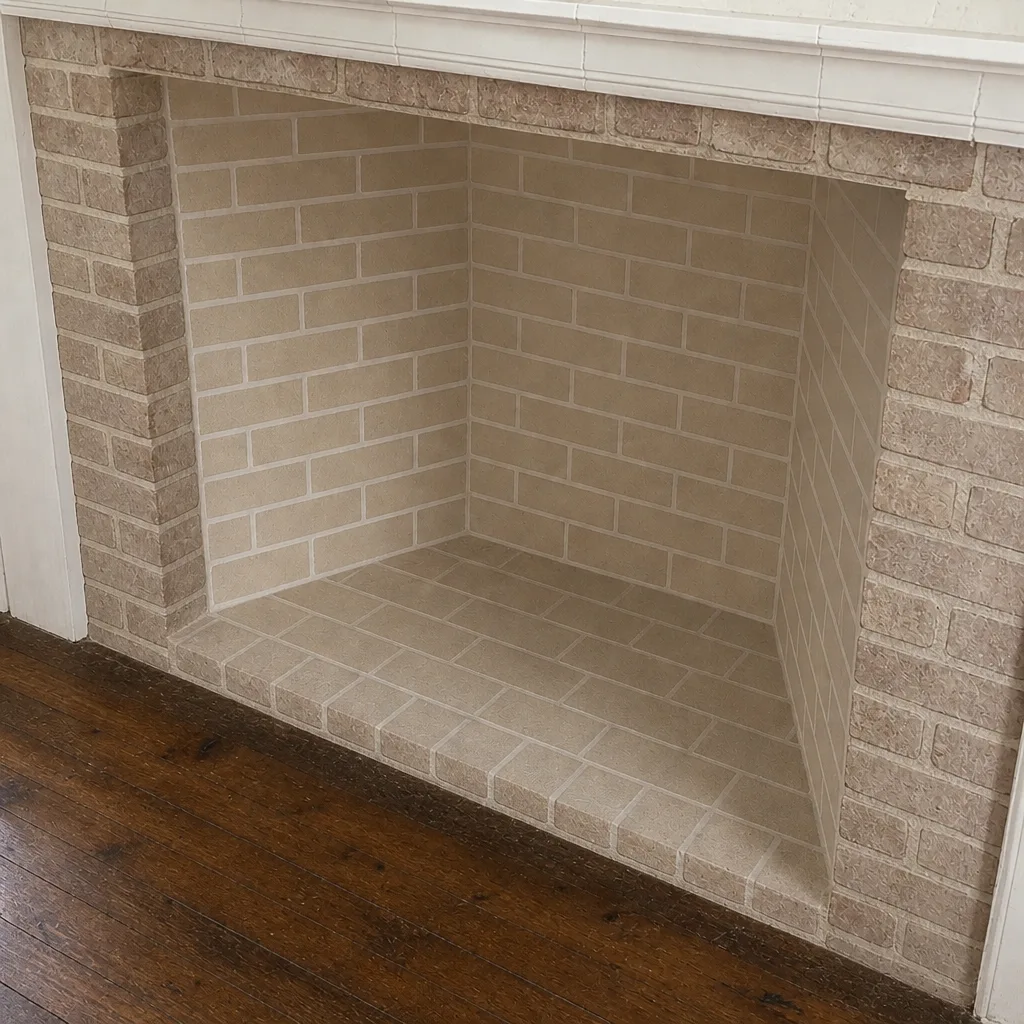 After
When to Call a Professional
Some chimney tasks are DIY-friendly (checking the damper, keeping the firebox clear). Others are genuinely unsafe to attempt, and the line is clearer than most people think. Call a professional if you notice any of the following, and note that our technicians have up to 13 years of experience with these exact situations in Harlem:
- Creosote that looks glazed or tar-like rather than powdery, which a standard sweep won’t remove
- A damaged or cracked liner, or a firebox that seems deteriorated
- Water staining, chalky efflorescence, or crumbling mortar on the exterior
- A cap or crown that needs repair or replacement
- Weak draft, smoke rolling back into the room, or a persistent smoky smell
- Any request from a home sale, insurer, or post-storm assessment
- A fire that behaves differently than it used to
If you’re unsure, an inspection is the honest place to start. Chimney Sweep Harlem offers free estimates in Harlem; call (833) 468-5664. We answer 24/7, with fast dispatch from 7am to 7pm.
Frequently Asked Questions
Once a year is the baseline for most Harlem homeowners, done before the first fire in mid-September. If you burn more than three cords of wood in a season or run a gas insert continuously, add a mid-season check in January or February. Heavier or cooler burning accelerates creosote, so the schedule adjusts to your use.
Yes, summer is the moisture season. An open flue takes in humid air, which condenses in the clay tile liner and starts the kind of spalling that shows up years later. Closing the damper and considering a top-mount damper that seals at the crown is the practical response.
Mid-September catches the chimney after the humid summer has broken and before the first cold, so the work is done before you need the fireplace. October is peak demand and tighter to schedule, and a September date also documents the chimney’s condition before the burning season starts. A clean pre-season baseline is worth having.
A good inspection gives you a written record with photos: a camera view of the flue, the creosote level and type, the state of the cap and crown, the damper’s operation, and a draft check. It should state plainly what needs repair now, what can wait, and what’s cosmetic. Nothing should be recommended without that camera evidence.
Signs include a camera view of cracked or spalling tiles, glazed creosote that won’t sweep out, and a chimney that no longer drafts well. Deteriorated clay tiles can sometimes be resurfaced with a ceramic lining system rather than fully replaced, which is often a more proportionate repair. An inspection is how you find out which situation you’re facing.
Get an inspection and keep the written report, including photos. A home sale often turns on documented chimney condition, and a clean report with photo evidence answers buyer and insurer questions directly. Call (833) 468-5664 for a free estimate, and we’ll book you into the next opening, Sunday through Friday, 7am to 7pm.
The Bottom Line
Chimney care in Harlem runs on a four-season rhythm, not a single October sweep. Spring is for inspecting what winter did and closing the damper. Summer is moisture season, when an open flue gathers condensation and the cap and crown matter most. Fall is for sweeping by mid-September, before the first fire and with photo documentation. Winter is for a mid-season check if you burn heavily. The urban heat island and air quality add their own pressures on draft and deposits. Care for the chimney year-round and it stays safe and functional through every heating season.
Written by the team at Chimney Sweep Harlem.