
Last updated November 25, 2026
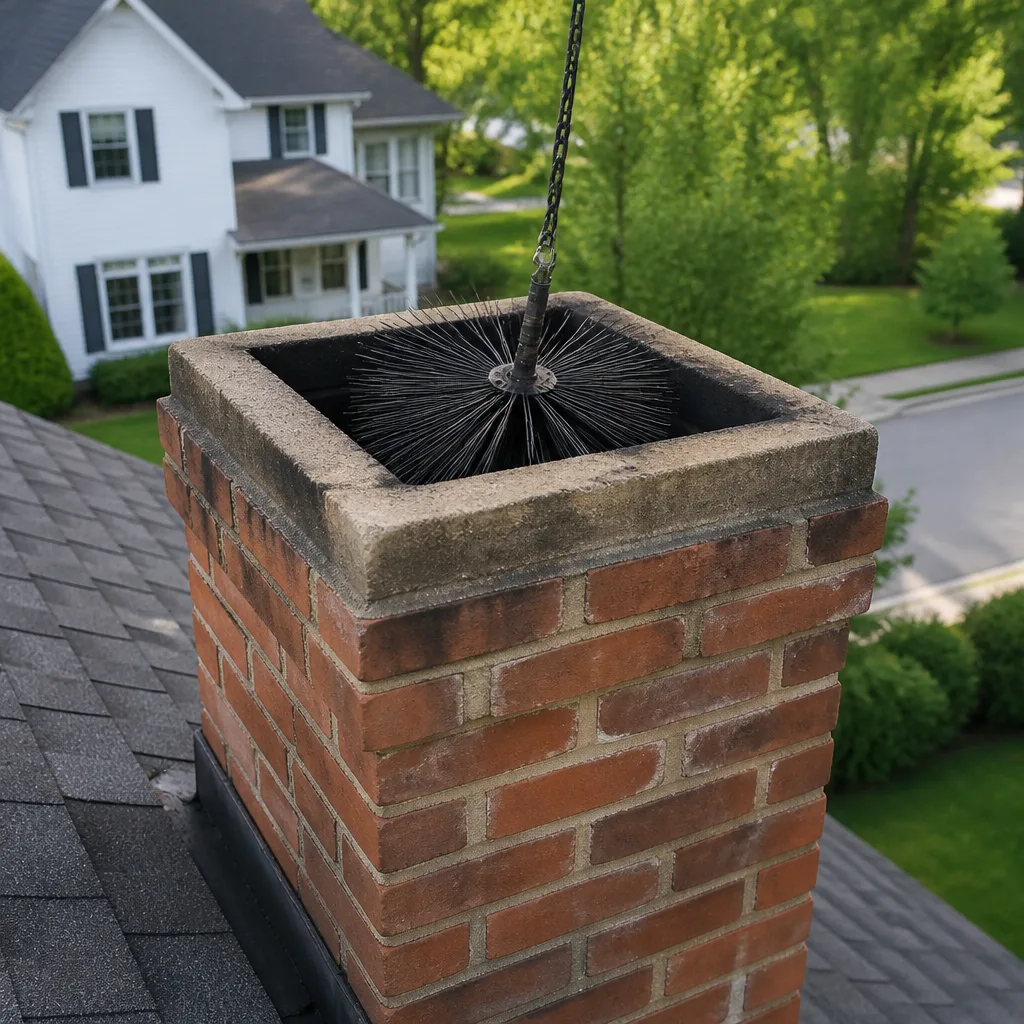 Sweep & inspection
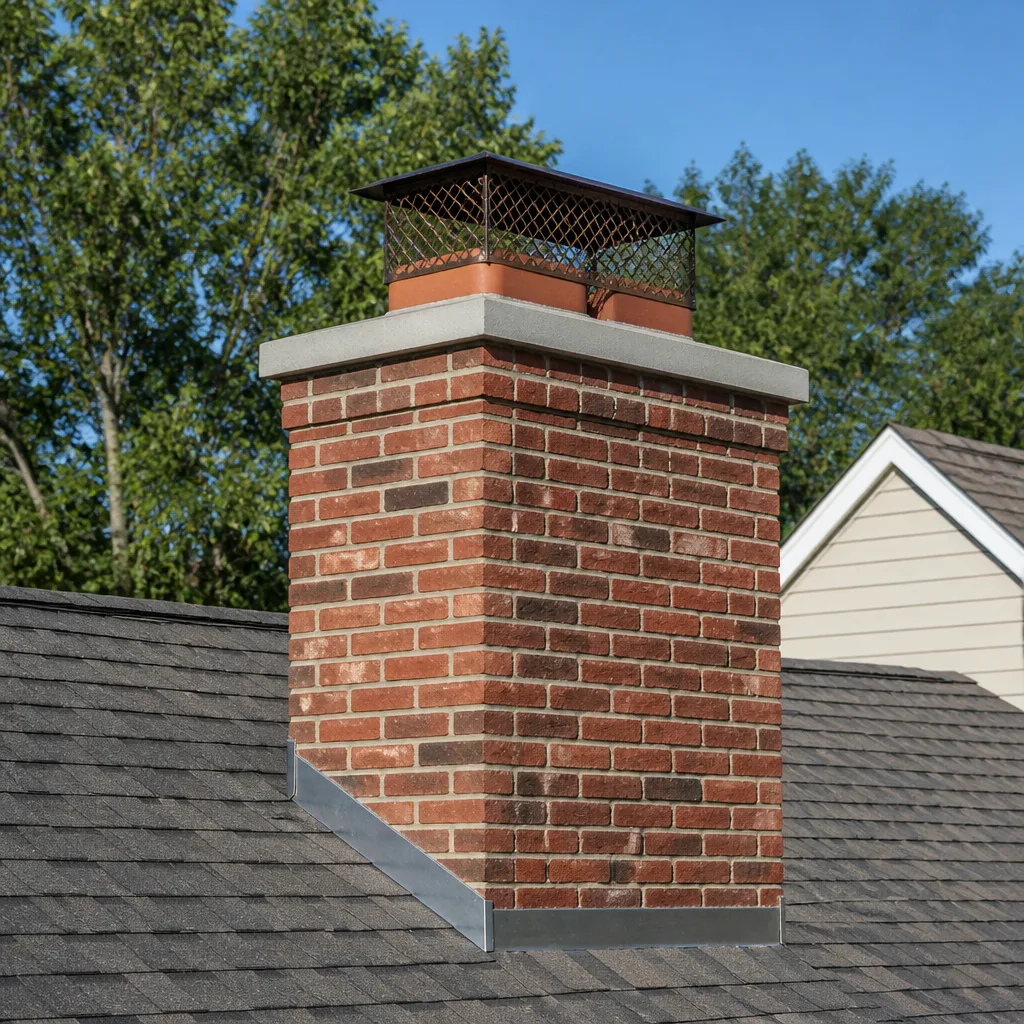 Caps & crowns
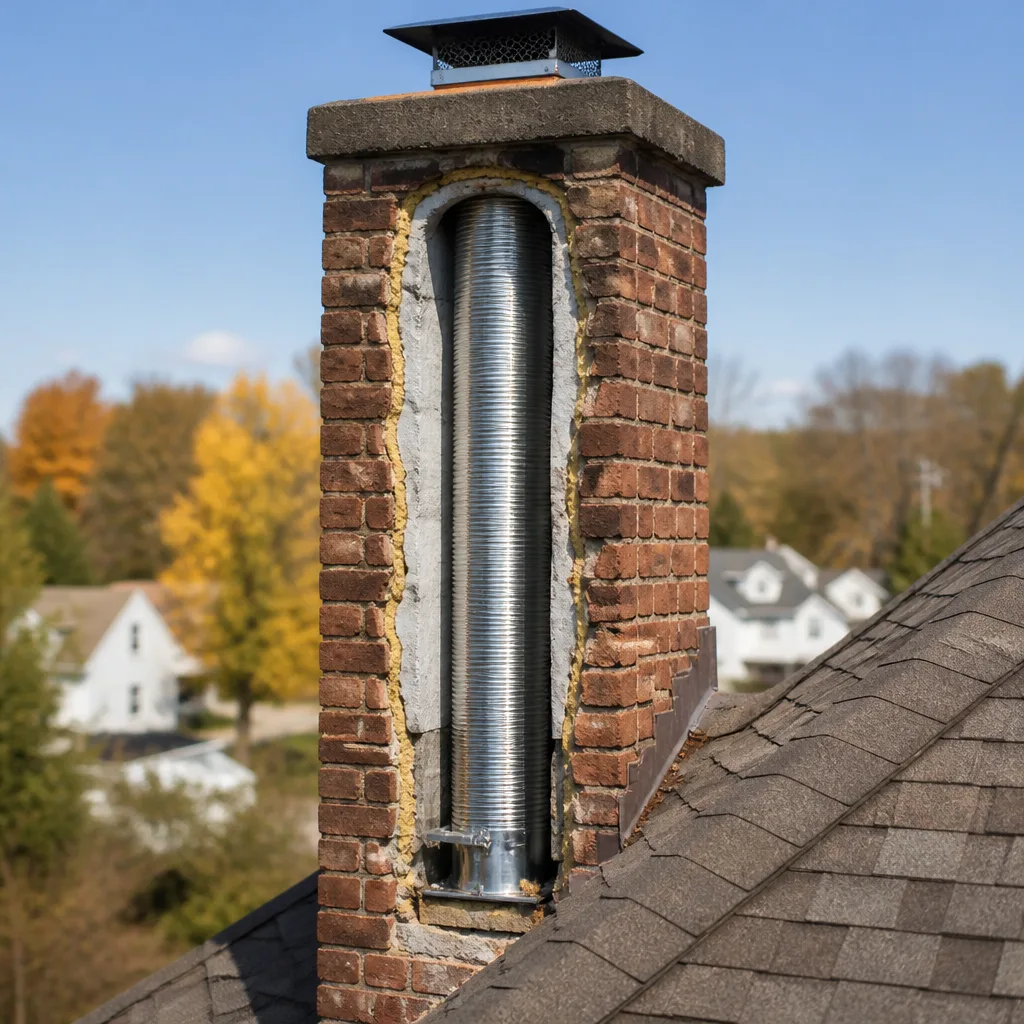 Flue relining
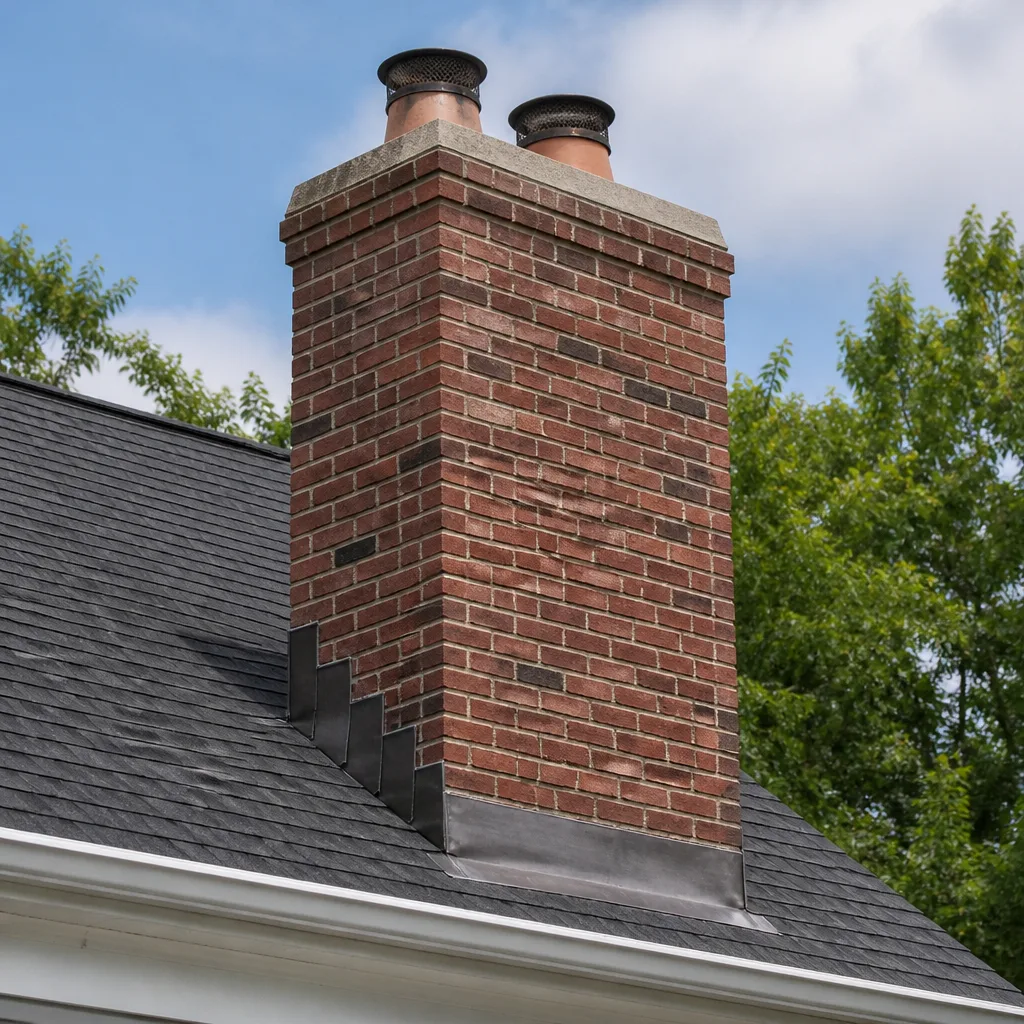 Masonry repair
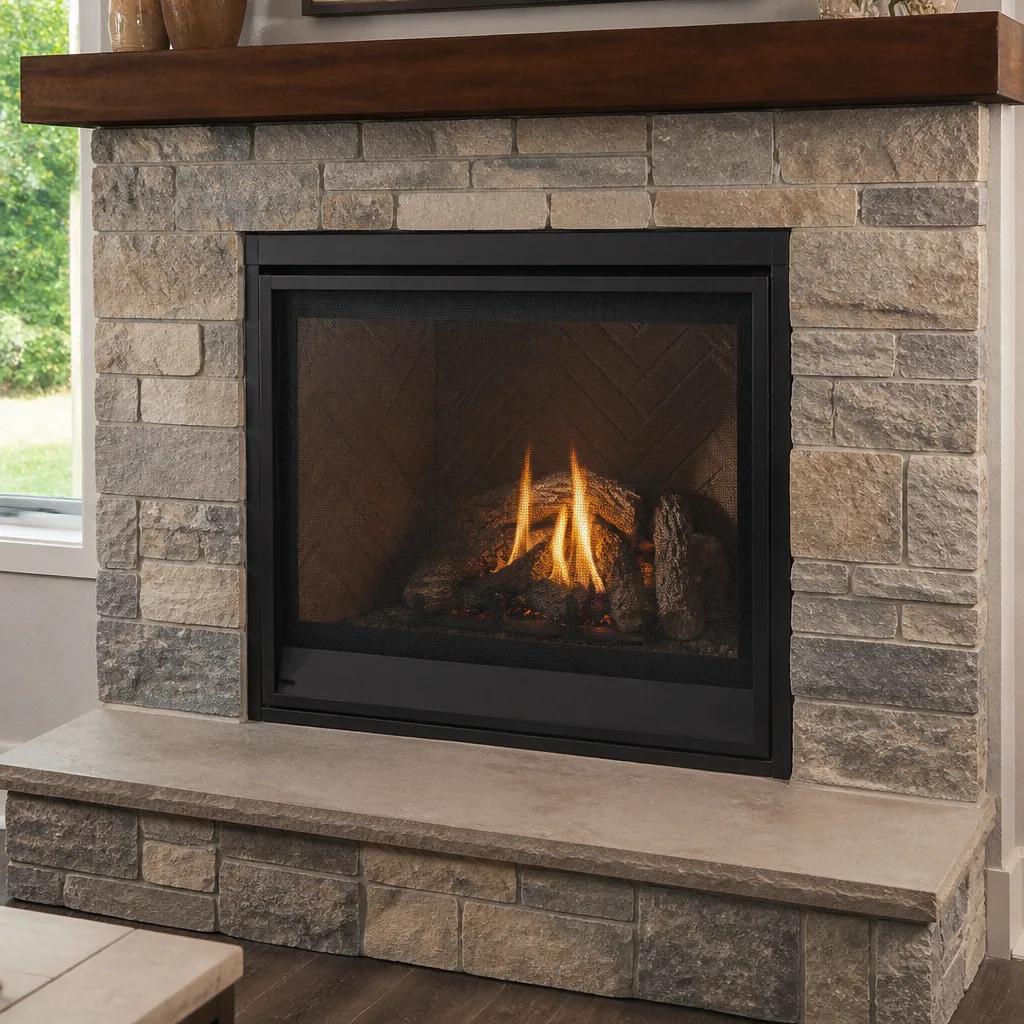 Gas fireplace service
Level 1 sweep and inspection to the NFPA 211 annual standard - flue, crown, cap, and flashing checked and photographed
Chimney sweep logs do not sweep chimneys. They loosen some creosote - which then falls where a brush and vacuum still have to collect it.
Chimney Cleaning Permits, Codes & Inspections in Harlem, NY: What You Need to Know
A chimney liner replacement done without an NYC Department of Buildings permit isn’t just a code violation. It’s a material defect that can stall or kill a co-op or condo board approval when you go to sell. Most Harlem homeowners assume the whole chimney trade lives in one regulatory bucket, where a sweep and a reline carry the same paperwork weight. They don’t. The line between a no-permit maintenance task and a permit-required alteration runs through the middle of the work, and where it falls depends on what’s actually being done to the flue, the masonry, or the gas connection. This guide walks that line section by section, so you know what triggers a filing, what documentation to demand, and how a Harlem brownstone or a prewar co-op unit differs from a freestanding suburban house.
Quick Answer
Routine chimney cleaning in Harlem requires no permit. Sweeping, a visual inspection, and minor cap work are “ordinary repairs” under NYC Building Code Section 28-105 and don’t enter the DOB filing system. Relining a flue, rebuilding masonry, or replacing a chimney structure is “alteration work” and generally does require a permit. Gas appliance venting adds a separate layer: the utility’s connection requirements and NYC Fire Code Section FC 603 both bear on whether the installation is compliant.
Styles & brands we work with
- Sweep & inspection
- Caps & crowns
- Flue relining
- Masonry repair
- Gas fireplace service
Table of Contents
- Where the Permit Line Falls in New York City
- NYC Fire Code Section FC 603 and Annual Sweeps
- Relining for a Gas Appliance: Con Edison, National Grid, and Venting
- Local Law 87, Local Law 11, and Chimney Documentation in Larger Buildings
- What Documentation to Ask For When Permitted Work Is Done
- Harlem-Specific Conditions That Affect Chimney Codes and Inspections
- What a Chimney Inspection Covers and How Often You Need One
- Common Mistakes to Avoid
Where the Permit Line Falls in New York City
NYC Building Code Section 28-105 creates two categories that every chimney job gets sorted into. The first is “ordinary repairs,” which covers maintenance that doesn’t change the structure, the use, or the systems of the building. The second is “alteration work,” which covers anything that does change them. A chimney sweep is squarely in the first bucket. So is a visual inspection, a cap replacement, and repointing a small area of mortar at the crown. None of these require a DOB permit, and none of them require a licensed filing representative to submit drawings.
Crossing into the second bucket is where Harlem homeowners tend to get caught flat-footed. The clearest triggers:
- Liner replacement. Swapping out a clay tile liner for a stainless system, or applying a ceramic resurfacing product, changes the flue system itself. In most cases that reads as alteration work and needs a permit.
- Structural masonry rebuild. Taking down and rebuilding a chimney stack above the roofline, or replacing a significant portion of the chimney breast, is a structural alteration.
- Change of fuel type. Converting from oil to gas, or from wood to gas, triggers a whole separate review because the venting requirements differ by appliance.
- Adding a new flue or appliance connection. Anything that creates a new penetration through the chimney or introduces a new appliance to the existing flue.
The practical check is to ask which category the work falls into before any contract is signed. If the answer is alteration, ask for the permit number. If the answer is ordinary repair, it’s fair to ask why, and to get that in writing. A reputable contractor in Harlem will be able to explain the reasoning. A contractor who says “we never pull permits for chimneys” is telling you something useful about how they operate. Our team offers chimney repair as a core service, and the permit question is one of the first things we work through with a homeowner, because it affects the scope and timeline.
One more note: the DOB’s rules interact with the building’s own requirements. In a co-op or condo, the alteration agreement usually layers on top of the DOB filing – the board may require its own review of the work, its own insurance certificates from the contractor, and its own sign-off before work begins. Skipping the board step can result in a stop-work order even when the DOB filing is completely correct.
NYC Fire Code Section FC 603 and Annual Sweeps
NYC Fire Code Section FC 603 governs solid-fuel-burning appliances and the chimneys that vent them. The core obligation is straightforward: the chimney and flue must be maintained in a condition that keeps the products of combustion moving out of the building, and creosote buildup has to be kept under control. The Fire Code doesn’t specify a single hard interval like “every 12 months.” It requires the chimney to be maintained in safe operating condition, which is a broader standard and one that depends on how much the appliance is used and what’s being burned.
In practice, that standard is met through annual inspection and cleaning at a frequency that matches actual use. A Harlem household that burns weekly through the heating season needs a sweep more often than one that lights a fire a dozen times a year. Homes that burn unseasoned wood or use the fireplace as a primary heat source during cold snaps build creosote faster. Homes with a gas insert that never gets used as a wood appliance have a different set of concerns, most of them about venting and appliance condition rather than creosote.
How the annual sweep relates to compliance, in plain terms:
- The sweep is maintenance, not a filing. Having the chimney cleaned doesn’t generate a certificate the DOB will ask for, and it doesn’t need to.
- The inspection is the documentation. A written inspection report is what you would produce if a building department, insurer, or buyer asks about the condition of the chimney. This is why we treat the inspection as the foundation of the visit, not an add-on.
- Findings drive the next step. If the inspection finds a cracked flue tile or a deteriorated crown, that’s when the permit question re-enters the picture – the repair may fall on the alteration side of the line.
- Keep the report. Store the inspection report with the rest of the property records. In a co-op sale, this is one of the documents that can be requested.
Fire Code compliance is a maintenance standard, not a piece of paper you hang on the wall. The best way to stay on the right side of it in Harlem is a documented annual inspection with the sweeps scheduled to match actual burn habits. If you want the cleaning side explained, our chimney sweep page covers what a visit involves.
Relining for a Gas Appliance: Con Edison, National Grid, and Venting
This is the part most homeowners miss, and it’s the part that causes the most trouble down the road. When a Harlem brownstone or apartment is converted from oil to gas, or a wood fireplace is replaced with a gas insert, the venting requirements change entirely. Gas appliances produce different exhaust characteristics than solid fuel. The flue that worked fine for wood may be oversized, undersized, or in the wrong condition for the new appliance. And the utility connection – Con Edison or National Grid, depending on the building – involves its own review of the installation before the gas is turned on.
The utility’s role isn’t to inspect the chimney itself. It’s to confirm that the appliance and its venting meet the applicable standards before gas service is activated. In practice, that means a homeowner who has a gas insert installed needs to be able to show that the venting is correct. A contractor who doesn’t understand that layer may install the appliance and leave the homeowner to discover the problem at the utility review, which can delay getting the appliance running and, in some cases, force rework.
What this means for a Harlem homeowner going through a fuel conversion or a new gas appliance:
- Get the venting plan reviewed before the appliance is installed. The flue needs to be sized and verified for the new appliance, not just left as-is because “it worked for the old one.”
- Ask about the appliance’s listed venting requirements. The manufacturer’s installation instructions specify what the flue needs to be. Those instructions are part of the documentation.
- Expect the flue to need work. A chimney that was adequate for wood often isn’t adequate for gas, and a liner upgrade is common. This is where the DOB permit question reappears, because a liner replacement is alteration work.
- Keep the utility paperwork with the appliance paperwork. Both belong in the building file, and both come up in a sale.
We’ve seen the sequencing go wrong enough times to know that the venting review has to come first, not last. This is why we handle the diagnostic, the liner work, and the documentation in one relationship rather than handing the findings off to a third party who never saw the chimney. When we reline for a gas appliance, we work with professional-grade components – Olympia Chimney and Copperfield are two of the brands we specify – because the venting system is what the utility review will be checking.
Local Law 87, Local Law 11, and Chimney Documentation in Larger Buildings
Harlem has a large stock of multifamily buildings, and the chimney questions in a walk-up or a prewar co-op are different from those in a single-family brownstone. Two city laws intersect with chimney work in buildings large enough to fall under them.
NYC Local Law 87 requires periodic energy audits and retro-commissioning for buildings above a certain size threshold, on a schedule tied to the building’s block number. Those audits examine the building’s energy systems as a whole, and the chimney and venting are part of that picture. A chimney that’s losing heat up the flue, or a boiler venting system that’s not performing, shows up in the audit findings. The audit itself isn’t going to mandate a chimney repair, but the documentation it produces can become part of the building’s record, and it can prompt the board or managing agent to request a chimney condition report.
NYC Local Law 11, the Facade Inspection and Safety Program, requires periodic facade inspections for buildings above a certain height. The chimney is part of the building envelope from the inspector’s perspective. A chimney stack with loose mortar, a deteriorated crown, or a cap that’s come off can show up in the facade inspection report as a condition that needs correction. The building then has to document the correction. If the fix involves masonry rebuilding above the roofline, that’s alteration work under Section 28-105, and the correction has to be filed and signed off.
What managing agents and boards in Harlem should know:
- Keep chimney inspection reports on file with the facade inspection records. If a chimney condition shows up in one, the other becomes the paper trail.
- When a facade inspection flags a chimney, get the repair scoped before the correction deadline. Unpermitted masonry work on a chimney stack is difficult to unwind during a later inspection cycle.
- Treat the energy audit findings and the chimney inspection as related documents. A well-documented chimney inspection supports the audit narrative rather than creating a separate open question.
- Have the inspection done before the building goes on the market, not during the contract period. Discovery during a sale is the worst time to find a deficiency.
Our chimney cap & crown work is often the point where a facade inspection finding gets resolved, because the crown and the cap are the two most common points of water intrusion in masonry chimneys. Fixing the crown before the facade cycle catches it is cheaper than correcting it afterward.
What Documentation to Ask For When Permitted Work Is Done
If the work on your Harlem chimney requires a permit, the paperwork matters as much as the work itself. An unpermitted liner replacement or masonry repair can become a title issue, a board approval issue, or an insurance issue years after the contractor has moved on. The way to avoid that is to collect the documentation as the job closes out, not after.
Here’s what to ask for, in order:
- The permit application and the issued permit. If the work is alteration work, there should be a DOB permit. Ask for the permit number before work starts and confirm it matches the scope on the contract.
- The filed scope of work. The permit should describe the work being done. If the contract says “full reline” and the permit says “minor repair,” that’s a red flag.
- The contractor’s license and insurance documentation. The contractor performing the work should be able to produce this. The local professional we connect you with is licensed and insured as their state requires.
- The inspection sign-off. When the work requires a DOB inspection, the sign-off is the proof it passed. Get a copy, not just a verbal confirmation.
- The manufacturer’s installation documentation for any liner or component installed. This is what the utility review will want to see for gas venting, and it’s what a buyer’s inspector will look for.
- The final inspection report from the chimney contractor. A written report describing what was done, what materials were used, and the condition of the chimney at closeout.
File all of it together, in the building records, the same way you’d file a boiler certificate or a facade inspection report. When a co-op board, a buyer’s attorney, or an insurer asks for chimney documentation, having the full packet ready is what prevents a delay. Our team works with HeatShield and DuraFlex on liner and flue work, and we document the material and the application in the closeout report specifically because that documentation gets requested later.
This is also the difference between working with a single company and assembling a chain of contractors. When inspection findings pass from one contractor to the next, the documentation tends to fragment. Keeping the sweep, the inspection, and the repair under one roof means the paperwork stays in one file. That’s the reason our five services – Chimney Sweep Harlem, inspection, cap and crown, chimney repair, and fireplace repair – live under one company.
Harlem-Specific Conditions That Affect Chimney Codes and Inspections
Harlem’s building stock shapes the chimney questions in ways that don’t show up in a generic guide. Most of the neighborhood’s brownstones and prewar apartment buildings were built with masonry chimneys that have been through more than a century of heating cycles, roof work, and partial repairs. The chimneys that survive are often in mixed condition: a sound stack above the roofline, a flue that’s been relined at some point and a flue that hasn’t, a crown that was patched a few decades back and is due again.
The climate matters too. New York’s freeze-thaw cycle is hard on masonry. Water gets into a hairline crack in the crown or the mortar joint, freezes, expands, and widens the crack. Over a few seasons that turns a small repair into a masonry rebuild. This is why we treat the crown and the cap as the first line of defense in a Harlem chimney, and why a visual inspection in the fall – before the first freeze, before the heating season starts – is the right timing.
The neighborhood’s housing stock also affects how inspections are used. Harlem has a large share of co-op and condo buildings where a chimney inspection report becomes part of a board approval packet, a refinance file, or a building sale. In a single-family brownstone, the same report supports a homeowner’s insurance renewal or a sale contract. Our team performs inspections as a standalone service precisely because these documents get requested at moments that have nothing to do with whether the chimney needs work right now.
The last local factor is the age of the flues themselves. Many Harlem chimneys were built with clay tile liners that have had decades of thermal cycling. A tile that’s cracked isn’t always obvious from the firebox, which is why the inspection includes a look at the flue from the top and, where accessible, from the appliance connection. When the tile is deteriorating but hasn’t failed, a ceramic resurfacing application may be a reasonable repair rather than a full reline. When the tile has failed, the flue needs a liner. That distinction is the difference between a modest repair and a permitted alteration, and it’s the one that gets made correctly only when someone actually looks.
What a Chimney Inspection Covers and How Often You Need One
A chimney inspection is a structured look at the condition of the chimney, the flue, and the appliance connection. The scope depends on the level of inspection, but a routine inspection for a Harlem homeowner covers the firebox, the damper, the smoke chamber, the flue (from the top and from below where accessible), the crown, the cap, and the visible exterior masonry. The inspection produces a written report that describes what was found.
The recommended cadence in our experience:
- Annually for any chimney that’s actively used for wood burning. This is the baseline, and it aligns with Fire Code maintenance expectations.
- Annually for a gas appliance chimney as well, though the focus is on venting condition and appliance performance rather than creosote.
- Before selling or refinancing a property with a chimney. This is when the report is most likely to be requested.
- After a major storm or roof work. Roofers work around chimneys, and the flashing and crown are common casualties.
- After any fuel conversion or new appliance installation. The venting needs to be verified against the new appliance’s requirements.
- Before the heating season starts. A fall inspection catches crown and cap problems before the freeze-thaw cycle does its work.
An inspection is not a sales pitch. It’s a diagnostic. If the report finds the chimney in good condition, the right answer is “see you next year,” and that’s a legitimate outcome. If it finds a problem, the report should say what the problem is, what the repair involves, and whether it can wait. Our inspection reports are written to answer those three questions, and the findings come with photos so you’re not relying on a verbal description.
The inspection is also where we identify whether the cap and crown are doing their job. A missing or damaged cap is a direct path for water and animals into the flue. A crown with cracks or spalling is water working into the masonry from above. Both are repairable, and both are better repaired before they turn into a structural problem. Learn more on our main Chimney Sweep Harlem page.
Common Mistakes to Avoid
- Assuming every chimney job is permit-free. Routine cleaning and inspection don’t need a permit, but a liner replacement or masonry rebuild usually does. Sorting out the category before signing a contract prevents a problem at sale or board approval.
- Accepting a verbal “it’s fine” instead of a written inspection report. A report you can put in the building file is the point. A verbal report doesn’t survive a co-op board review or an insurance renewal.
- Converting to gas without reviewing the venting first. The flue that worked for wood may not meet the new appliance’s requirements. Reviewing the venting before installation avoids a utility delay and a rework cost.
- Ignoring a crown or cap repair until water gets into the masonry. Water intrusion is progressive. A crown that’s patched in the fall is far cheaper than a masonry rebuild filed as alteration work.
- Skipping the alteration agreement step in a co-op. Even with a correct DOB filing, a co-op board can require its own review and insurance certificates. Handling that at the start prevents a stop-work order.
- Filing the inspection report in a drawer instead of the building records. The report is most valuable in the sale process, when the buyer’s attorney or the board is asking for documentation. It needs to be findable.
- Hiring a sweep who doesn’t handle the repair. When findings pass to a different contractor, the documentation fragments and the diagnosis gets second-guessed. Keeping the sweep, inspection and repair in one relationship keeps the record intact.
See the difference
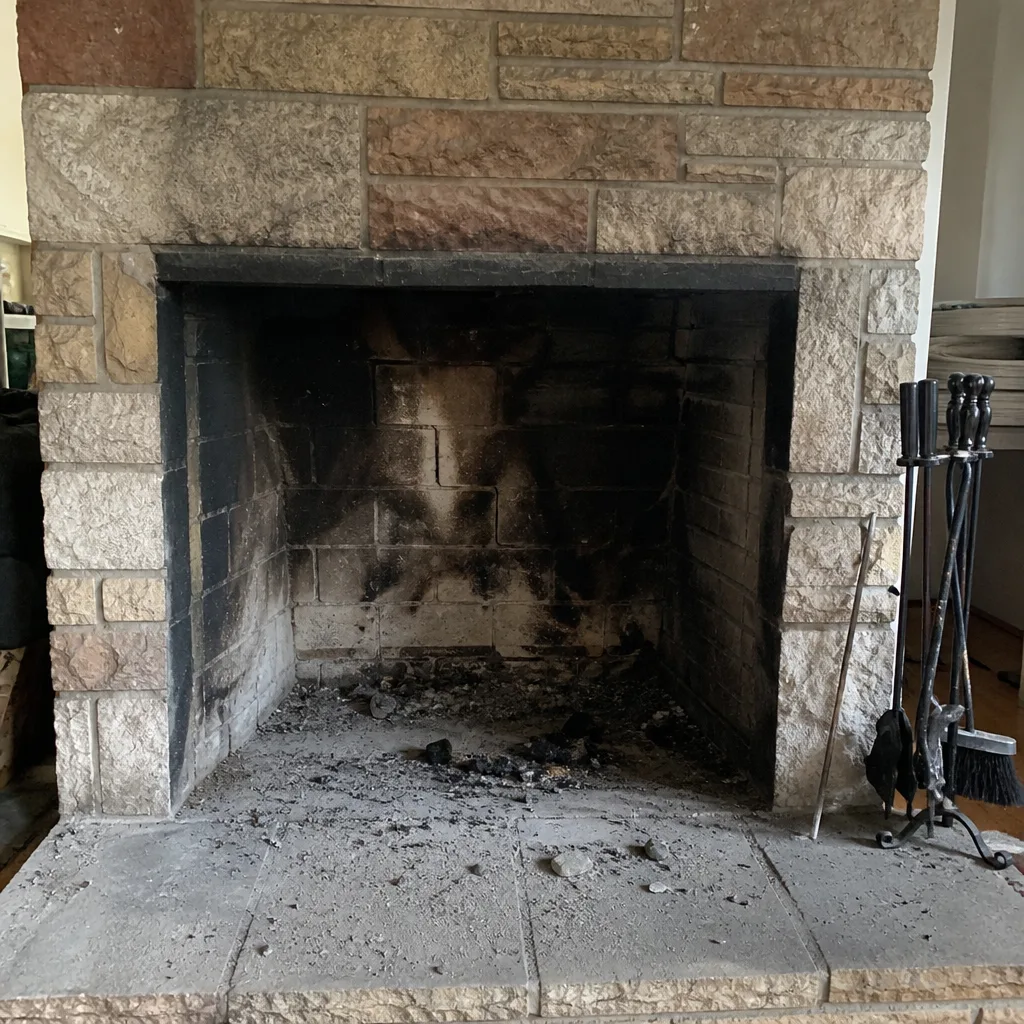 Before
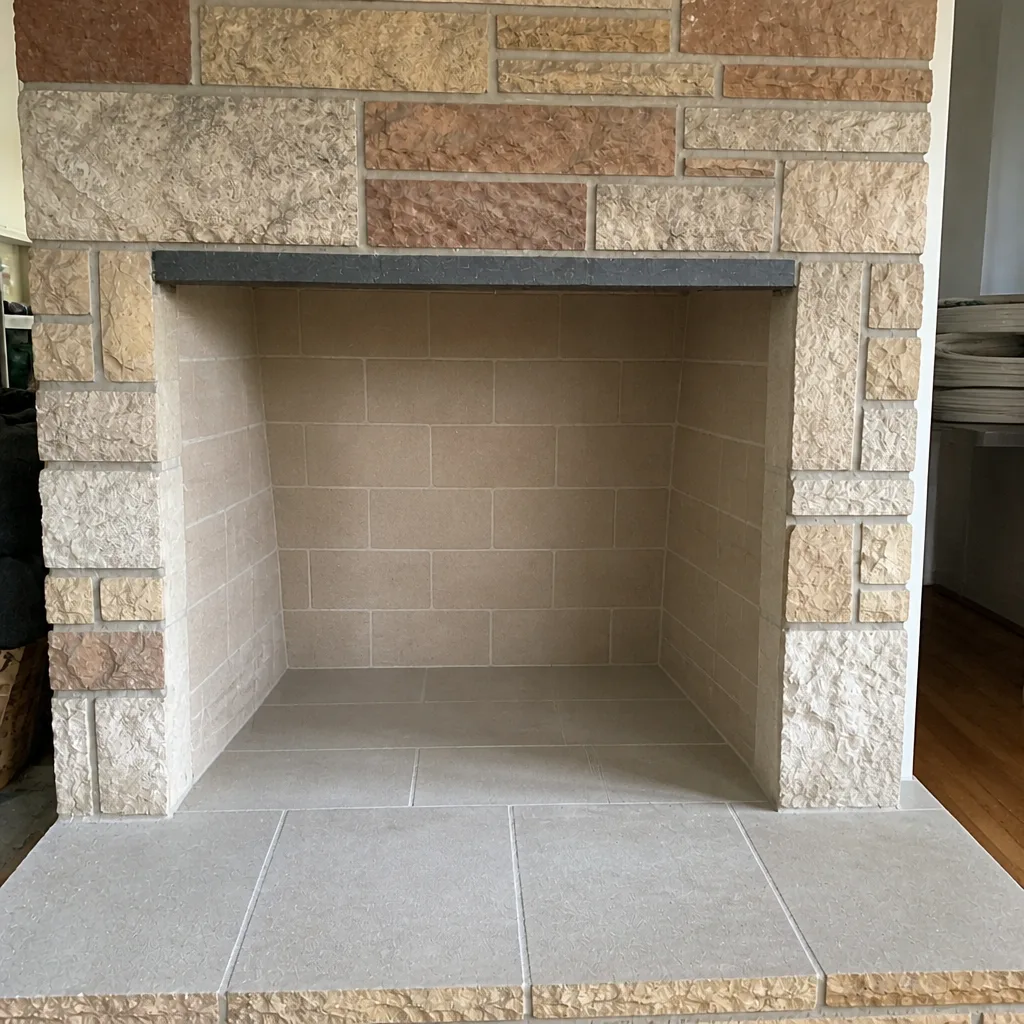 After
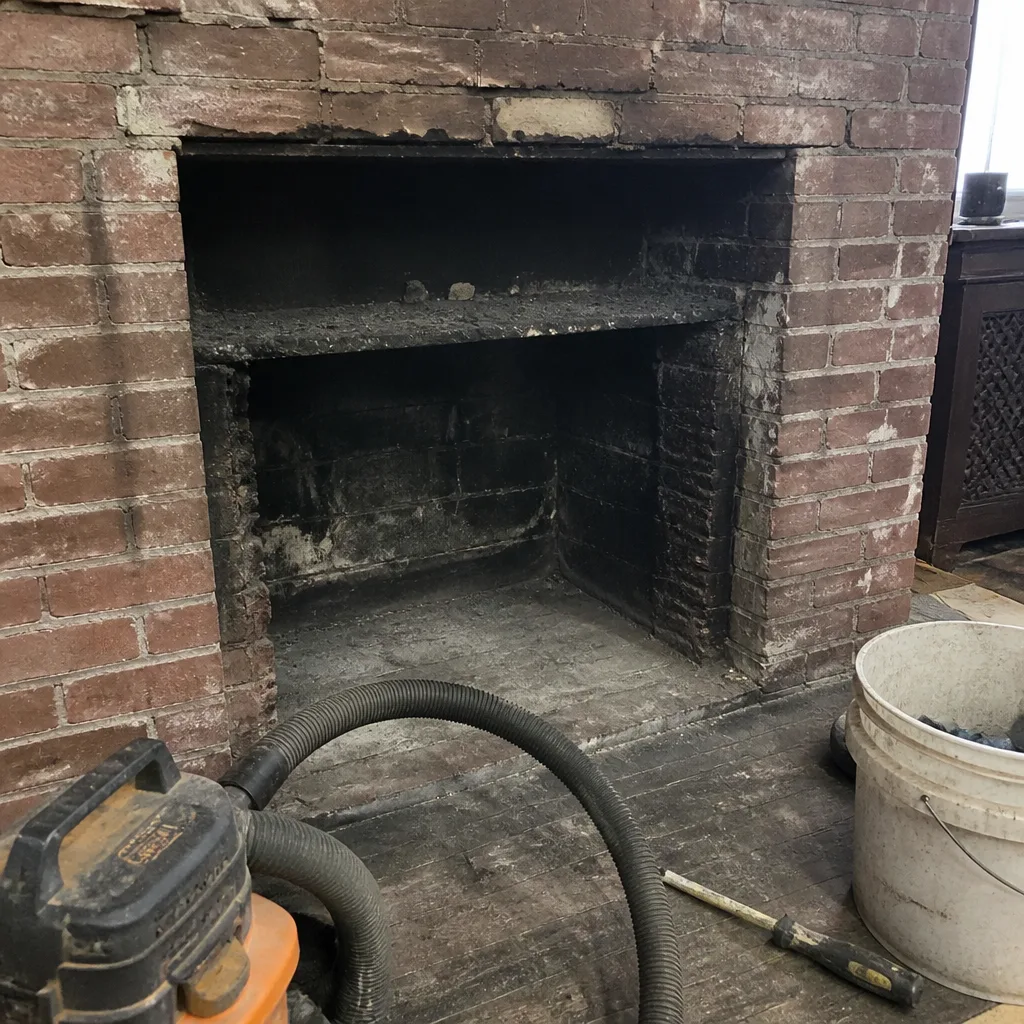 Before
 After
 Before
 After
When to Call a Professional
Call a professional when the chimney hasn’t been inspected in the past year, when you notice water staining or a musty smell around the firebox, when the crown or cap looks damaged from the ground, or when you’re selling, refinancing, or going before a co-op board. Call when you’re planning a fuel conversion, because the venting review needs to happen before the appliance installs. And call after any roof work or major storm, because the flashing and crown are the parts most likely to have been disturbed.
The cases we’d flag as urgent rather than routine: a chimney that’s pulling poorly, a smell of exhaust in the living space, or visible damage to the masonry stack. Those warrant an inspection before the next fire. For everything else, the question is scheduling rather than panic. Chimney Sweep Harlem offers free estimates in Harlem – call (833) 468-5664. We answer 24/7. Fast dispatch from 7am to 7pm, Sunday through Friday.
Frequently Asked Questions
No. Chimney cleaning in Harlem is an ordinary repair under NYC Building Code Section 28-105 and does not require a DOB permit. Routine sweeps, visual inspections, and minor cap work fall within the ordinary repair category. Relining a flue, rebuilding masonry, or changing the fuel type is alteration work and does require a permit. Call (833) 468-5664 for a free estimate.
FC 603 requires solid-fuel chimneys to be maintained in safe operating condition rather than specifying a fixed interval. In practice that means annual inspection, with cleaning scheduled to match actual use. A home that burns frequently through the heating season needs more frequent sweeps than one used occasionally. Call (833) 468-5664 for a free estimate.
Ask for the permit number and the filed scope of work, the contractor’s license and insurance documentation, the inspection sign-off when a DOB inspection is required, the manufacturer’s installation documentation for any liner or component, and a written closeout report from the chimney contractor. File all of it with the building records. Call (833) 468-5664 for a free estimate.
Yes. Gas appliances have different venting requirements than wood or oil, and the utility connection involves a review of the installation before gas service is activated. The flue may need to be relined or verified against the new appliance’s listed requirements. We review the venting before installation because doing it afterward means rework. Call (833) 468-5664 for a free estimate.
Yes, and it usually is. A written chimney inspection report is often requested in co-op and condo board packets, refinance files, and sale contracts. Our reports describe the condition of the chimney, flue, crown, and cap, and come with photos so the findings can be verified. Call (833) 468-5664 for a free estimate.
The two real risks are creosote accumulation and undetected structural damage. Creosote buildup is a fire risk; a cracked crown or failed flue tile lets water and combustion gases go where they shouldn’t. Neither is visible from the living room, which is why the inspection exists. Annual inspection is the baseline. Call (833) 468-5664 for a free estimate.
The Bottom Line
The permit question in Harlem comes down to one distinction: maintenance stays out of the DOB system, and alteration work enters it. Sweeps and inspections are maintenance. Relining, masonry rebuilding, and fuel conversions are alteration work. The documentation from a permitted job is what carries you through a co-op board review, a sale, or an insurance renewal, so the paperwork matters as much as the repair. Get the inspection report in writing, file it with the building records, and let the report tell you what the chimney actually needs. Our technicians have up to 13 years of experience reading those findings in Harlem buildings.
Call (833) 468-5664 for a free estimate. We answer 24/7. Fast dispatch from 7am to 7pm, Sunday through Friday. A call outside dispatch hours is booked into the next opening, Sunday through Friday, 7am to 7pm. We’re closed on Saturday.
Written by the team at Chimney Sweep Harlem.