
Last updated November 25, 2026
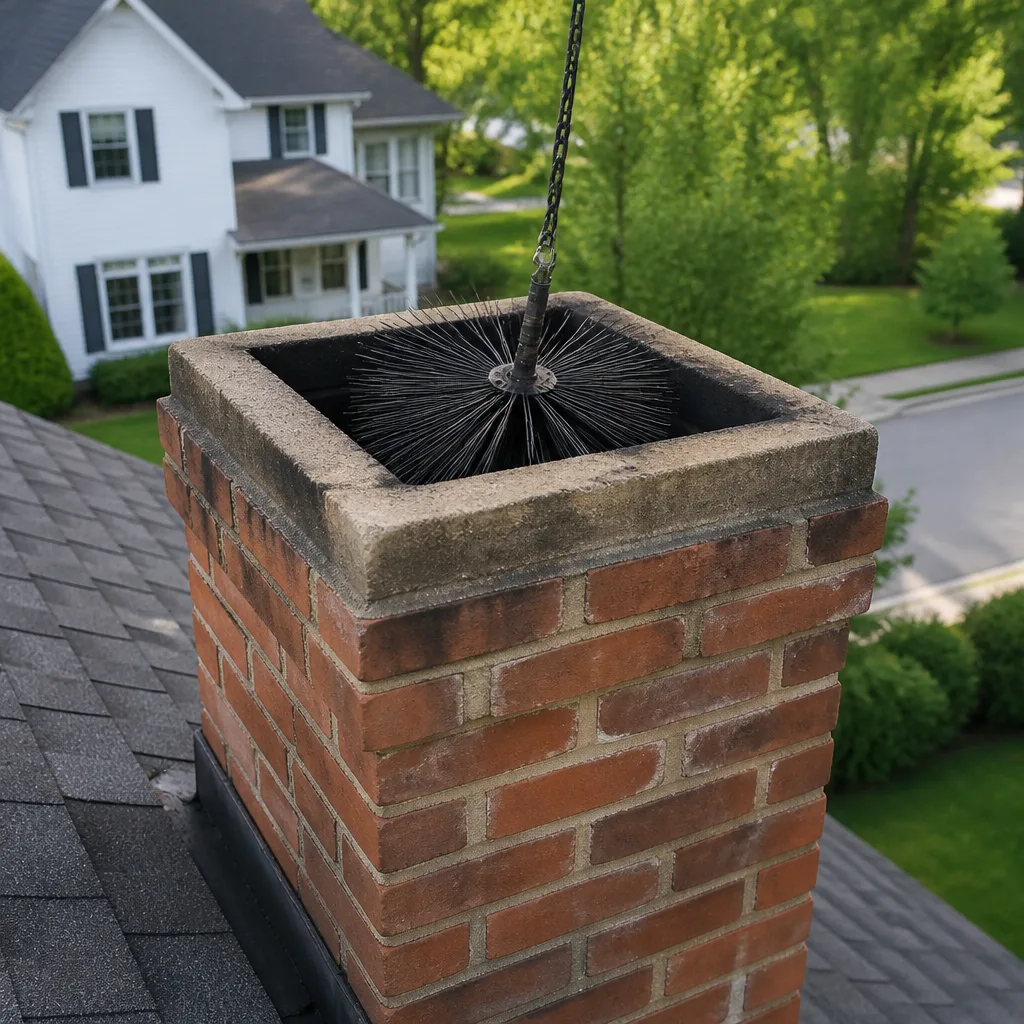 Sweep & inspection
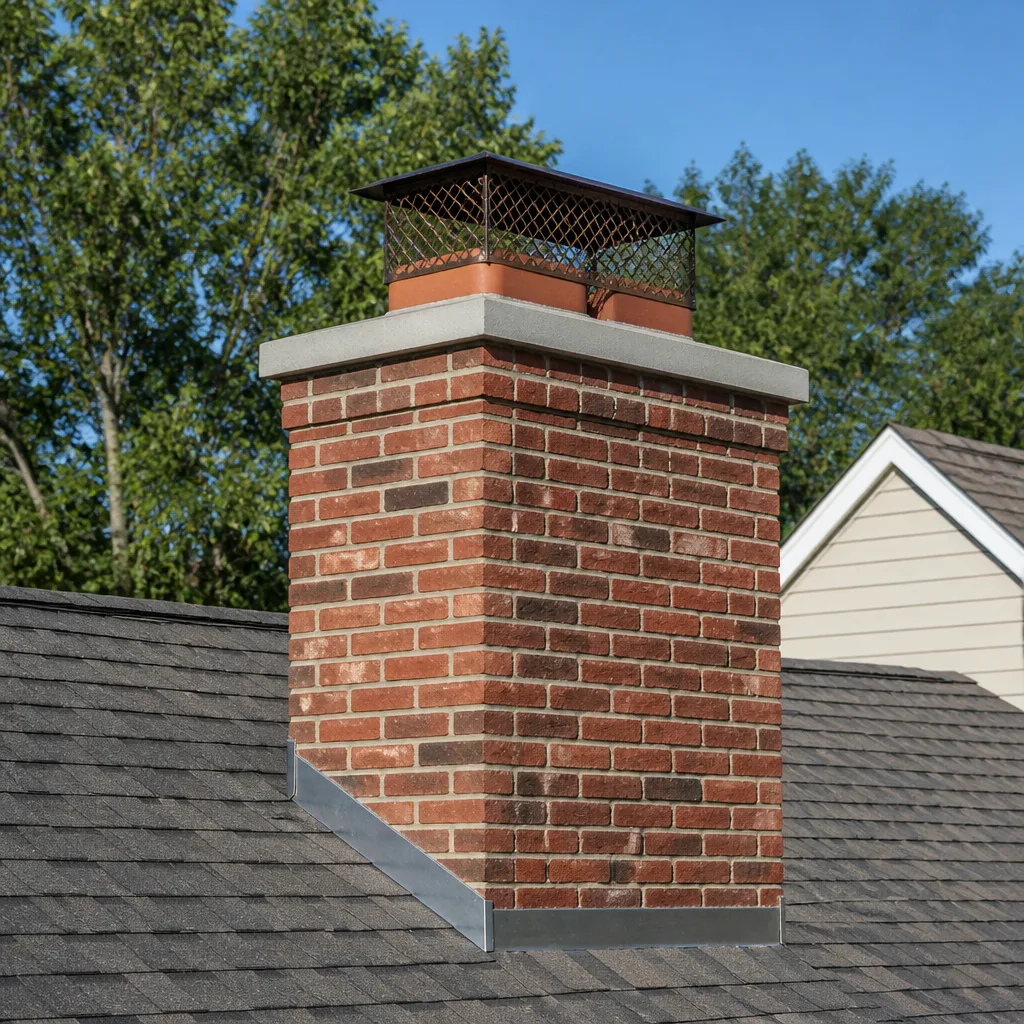 Caps & crowns
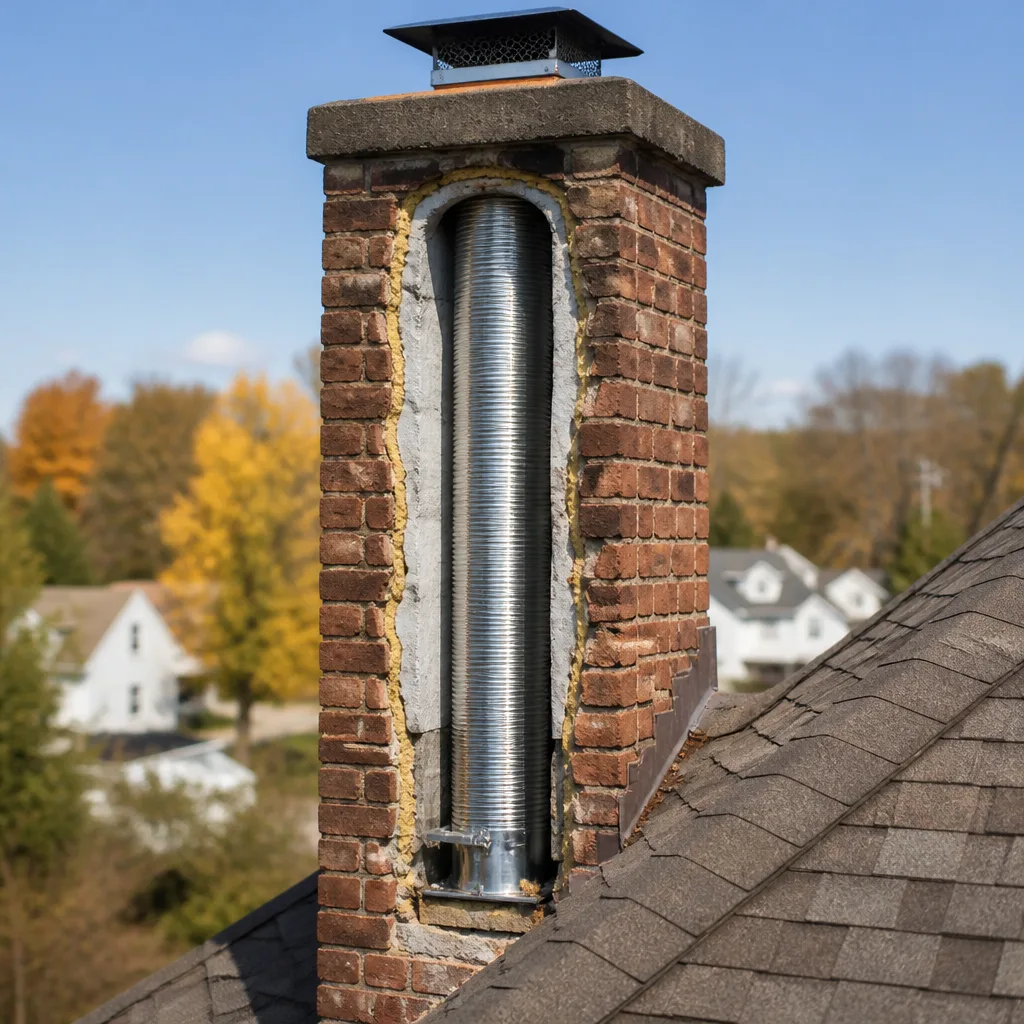 Flue relining
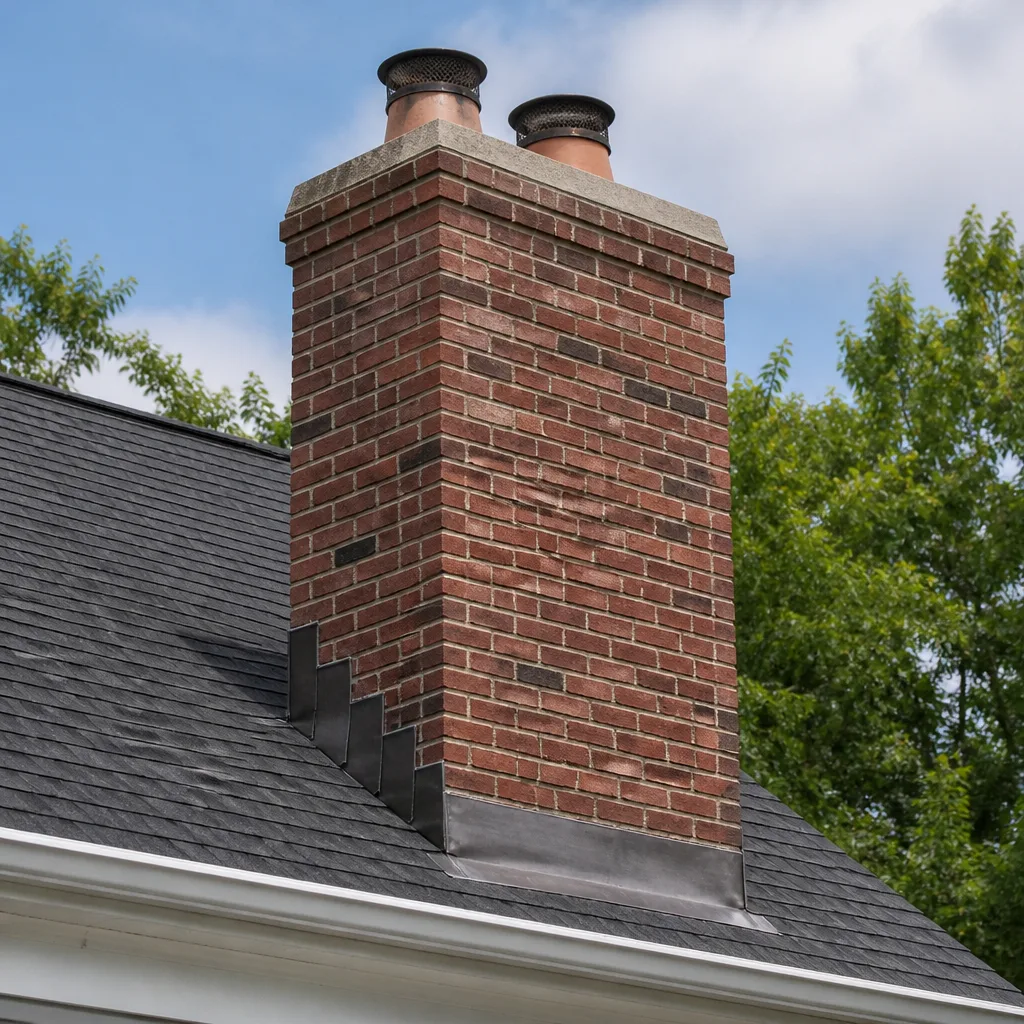 Masonry repair
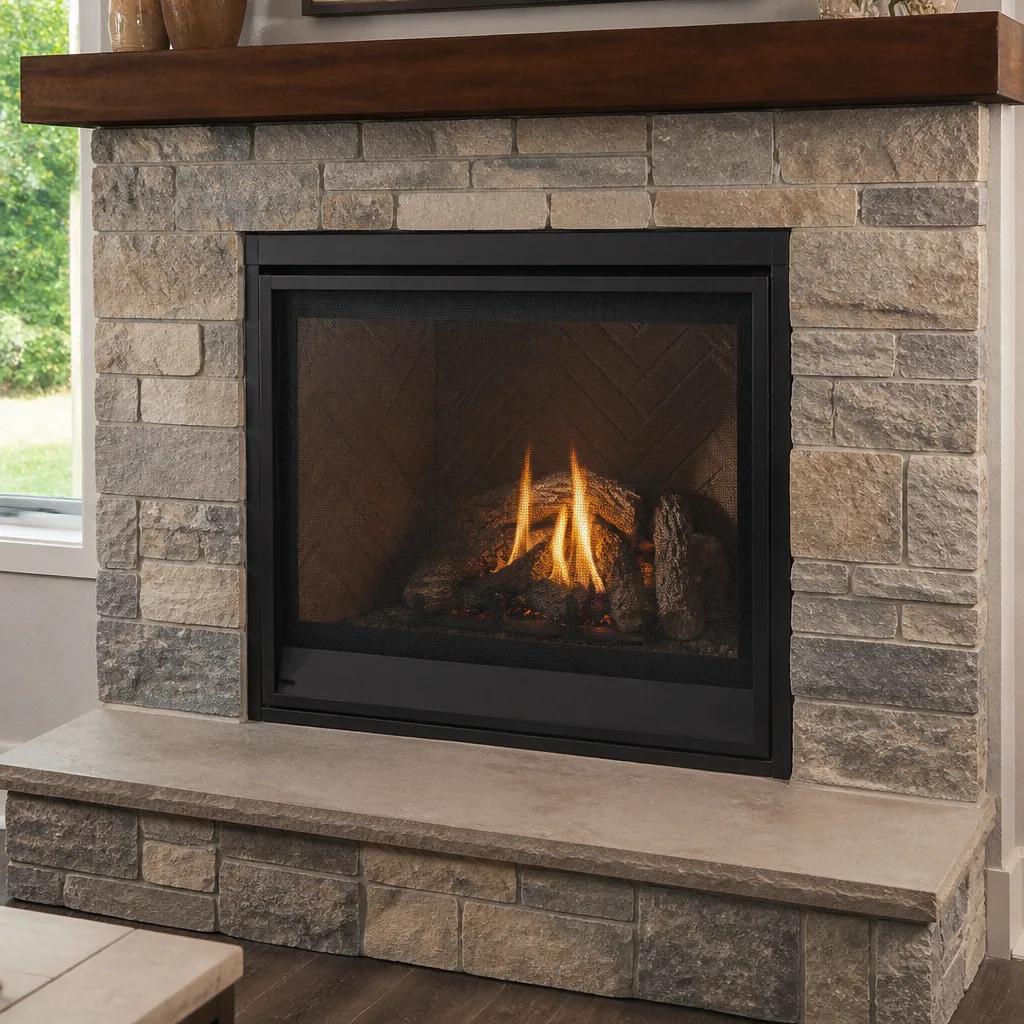 Gas fireplace service
Level 1 sweep and inspection to the NFPA 211 annual standard - flue, crown, cap, and flashing checked and photographed
Chimney sweep logs do not sweep chimneys. They loosen some creosote - which then falls where a brush and vacuum still have to collect it.
Chimney Cleaning Warning Signs: A Harlem Homeowner’s Reference Guide
Most people assume a smoky fireplace means the flue is dirty. In Harlem brownstones that assumption is often wrong. A living room that fills with smoke when the fire is lit can be a sign of a clean chimney fighting a pressure problem, not a dirty one. Tight weatherization, new windows, and sealed-up original openings change how air moves through a renovated brownstone, and a flue that worked for a century can start backdrafting after a single winter of upgrades. Sending a brush up the chimney won’t touch that. This guide walks through the signals your chimney, firebox, and surrounding masonry send before anything dangerous happens, so you can tell a dirty flue from a blocked cap from a cracked smoke chamber, and know which one you’re actually looking at.
Quick Answer
The warning signs of a chimney that needs attention fall into four groups: how smoke behaves, how the chimney smells, what the exterior masonry looks like from the sidewalk, and what the firebox shows on the inside. Smoke that rolls back into the room, a strong creosote odor, sulfur or rotten-egg smells, musty dampness, white ghosting on the firebox brick, rust on the damper, and spalling brick above the roofline are all signals worth acting on. None of them mean your chimney is failing. Each one points to a specific component, and each has a different fix.
Styles & brands we work with
- Sweep & inspection
- Caps & crowns
- Flue relining
- Masonry repair
- Gas fireplace service
Table of Contents
- What Smoke Behavior Tells You
- Reading Chimney Odors: Creosote, Sulfur, and Musty Smells
- Exterior Warning Signs You Can See From the Sidewalk
- Interior Firebox Signals and How to Document Them
- Carbon Monoxide Risk in Harlem’s Older Gas-Converted Systems
- Seasonal Timing for a Chimney Inspection in Harlem
- What a Sweep and Inspection Typically Costs
- How to Prevent Warning Signs From Returning
What Smoke Behavior Tells You
Smoke is the most misunderstood diagnostic signal in a chimney. Homeowners read it as a single problem (“the chimney is dirty”), but smoke behaves in four distinct patterns and each pattern points to a different component. Learning to describe the pattern accurately is the most useful thing you can do before you call anyone.
Pattern 1: Smoke rolls back into the room as soon as you light the fire
This is usually a draft problem, not a blockage. A flue needs pressure to pull smoke upward, and a house that’s been tightened up (new windows, weatherstripping, a sealed basement door) can pull harder at the chimney than the fire can push. The flue is competing with the rest of the house for air. A chimney sweep won’t fix it. What fixes it is understanding where the pressure is coming from: kitchen exhaust fans, a clothes dryer, a bathroom vent, or a boiler flue in the basement all compete with the fireplace for the same air. In our experience working in Harlem brownstones, this pattern shows up most in homes that were renovated for energy efficiency but kept their original open fireplaces.
Pattern 2: Smoke lingers and spills when the fire gets hot
If the fire draws fine when small but backs up as it grows, look to the smoke chamber. The smoke chamber is the tapered space directly above the firebox that “shelves” the smoke up into the flue. In older masonry chimneys, the smoke chamber is often rough and corbelled, which is fine below a certain fire size and terrible above it. A deteriorated or badly shaped smoke chamber stalls the flow, and no amount of brushing changes the shape of the chamber. This is where HeatShield ceramic resurfacing earns its place: it smooths the chamber and corrects the taper so the smoke has a clean path, rather than forcing a brush through a passage that was never shaped to flow correctly.
Pattern 3: Smoke comes out the top but doesn’t draw
A fire that smolders and refuses to draw while the chimney is cold often points to a blocked or restricted cap. A bird’s nest, a collapsed flue tile, or a warped cap screen can all restrict the outlet. From the ground, a restricted cap looks like any other cap, which is why a camera inspection matters before anyone starts a repair.
Pattern 4: Smoke disappears, no problem, then a smell arrives later
This pattern is a sign of Stage 2 or Stage 3 creosote buildup glazing over inside the flue. The fire draws fine, so nothing looks wrong until the creosote smell arrives in warm weather and the flue dries out. We’ll cover that under odors, because the two are the same problem seen from two directions.
Reading Chimney Odors: Creosote, Sulfur, and Musty Smells
Odors are the second diagnostic channel, and they’re often more specific than smoke behavior. Most chimney smells fall into three categories, and each one points to a different cause and a different fix.
Creosote smell
A sharp, tarry, almost ashy smell that gets stronger in warm weather or when the fireplace has been idle for weeks is a sign of creosote buildup. The smell is strongest in summer because the flue is dry and the creosote is more volatile. What people often miss is that the smell tells you the stage. Stage 1 creosote is soft and fluffy and brushes off easily. Stage 2 is harder and flaky. Stage 3 is glazed, tar-like, and can’t be swept loose with a brush. When the smell is strong enough to notice from another room, you’re more likely looking at Stage 2 or Stage 3, and a routine sweep won’t remove it. Glazed creosote is the fuel that turns a chimney fire from a slow burn into a fast one, so this is the one odor that shouldn’t wait until “later in the season.” A chimney sweep with a camera can tell you what stage you’re at.
Sulfur or rotten-egg smell
A sulfur smell almost always means an animal intrusion or a liner problem. Birds, squirrels, and raccoons find their way into flues in Harlem more often than most homeowners realize, and their nesting material and droppings create a distinctly sulfurous, organic smell. It’s not subtle. The other possibility, less common but more serious, is a compromised liner allowing combustion gas to leak into the walls or attic. That requires a proper inspection to rule out, but the presence of a rotten-egg odor with no obvious animal activity is a reason to call sooner rather than later.
Musty or damp smell
A musty smell is almost always active water infiltration. Where the water is coming in matters. In a masonry chimney, water enters in two places most often: at the crown (the concrete top surface) and at the cap (the metal fitting over the flue opening). A crown with a hairline crack lets water soak into the masonry, and the damp smell is the tell. We use a combination of crown repair and cap installation because fixing one without the other tends to let the problem return. A chimney cap & crown inspection is the right starting point for a musty smell that comes and goes with the weather.
Exterior Warning Signs You Can See From the Sidewalk
Some of the most useful diagnostics are visible from the sidewalk, before anyone climbs a ladder. When you walk out your front door in Harlem, take a moment to look up at the chimney. Four things are worth knowing about.
Spalling brick above the roofline
Spalling is where the face of a brick breaks off and leaves a rough, crumbling surface. It almost always happens on the upper exposed portion of the chimney, above the roofline where the masonry takes the most freeze-thaw cycles. In Harlem, the freeze-thaw pattern of a hard winter is what drives spalling, and it tends to concentrate near the cap where splash is heaviest. Spalling brick isn’t cosmetic. When the face breaks off, water gets into the body of the brick, and that water expands when it freezes. Once spalling starts, it accelerates.
White staining streaks
White, powdery streaks running down the side of the chimney are called efflorescence. It’s the salt left behind when water moves through masonry and evaporates. Efflorescence itself is harmless, but it’s a reliable sign that water is finding a path through the brick. Where the streak starts tells you where the water is entering. Streaks that start at the crown point to crown failure. Streaks that start mid-chimney point to a deteriorated mortar joint.
Mortar joint erosion at the chimney base
Look at the joints between bricks near the roofline where the chimney meets the roof. If the mortar recesses visibly, so the brick faces stand proud with shadow lines between them, the joints have eroded. This usually happens to joints on the weather-exposed side of a chimney, and it’s the first stage of water working into the chimney structure. Rebuilding joints is a chimney repair job, not a cleaning job, and it’s one that gets more expensive the longer it sits.
Missing or damaged cap and crown
A missing cap is an open invitation for water and animals. The crown, if it’s visible from the ground, should look continuous, with a slight slope away from the flue. A crown with cracks, crumbling edges, or a flat profile is letting water pool against the flue tiles. Both of these are quick to spot from the ground and quick to fix once they’re identified.
Interior Firebox Signals and How to Document Them
The firebox is the part of the chimney you can inspect without climbing anything, and it carries three signals worth knowing. Before you photograph anything, turn the fire out completely and let the firebox cool. Then take pictures from a few feet back, then closer, then at a low angle into the corners. Photos taken straight on miss most of what a repair technician needs to see.
White staining on the firebox brick (“ghosting”)
White staining on firebox brick is called ghosting. It’s caused by a small amount of moisture migrating through the firebox walls from outside or from a flue leak, and it’s usually a sign that the firebox has been exposed to water from behind. Ghosting on its own isn’t dangerous, but it tells you there’s a moisture path that shouldn’t be there. Photograph the ghosting with a tape measure in frame so a technician can judge scale.
Rust on the damper plate
Rust on a damper plate is a sign that the chimney has been wet. Dampers are not supposed to rust, because they’re not supposed to be sitting in moisture. When you see rust, the question isn’t whether there’s water in the chimney – the question is where it’s coming from. Look for matching rust at the smoke chamber or at the flue tiles. Rust on the damper alone often points to condensation from a cold flue, while rust plus efflorescence on the exterior usually means active water entry.
Cracked refractory panels
Refractory panels line the firebox, and they absorb heat that would otherwise reach the surrounding masonry. A hairline crack is normal after years of use and doesn’t necessarily mean the panel is failing. A crack you can fit a coin into, a hole, or a panel that’s detached and shifting is different: that panel is no longer doing its job, and heat is reaching the masonry behind it. Photograph any crack with a reference object (a coin, a pencil) beside it for scale. This is the kind of thing that’s easy to show on a photo and hard to describe over the phone.
Carbon Monoxide Risk in Harlem’s Older Gas-Converted Systems
This is the section that gets skipped in most homeowner guides, and it matters most in Harlem. Many older brownstones in the neighborhood have gas-fired heating or gas fireplace inserts venting through the original masonry flues. Those flues were built for wood smoke, not gas exhaust, and the difference matters.
Gas combustion produces more water vapor than wood combustion, and a flue that’s not sized or lined for a gas appliance can run wet. Wet liner surfaces are where spalling tiles and deterioration start. More importantly, a flue liner that’s deteriorated or disconnected from the appliance can allow exhaust gas to enter the home instead of venting out the top. Carbon monoxide is the concern here, and it’s a real one: combustion gas that doesn’t leave through the chimney has to go somewhere, and in a brownstone that often means into the living space.
When to call Con Edison and when to call a chimney specialist
These are two different calls and it’s worth knowing which one to make first. A gas odor, a hissing gas line, or any sign of gas escaping from a gas appliance is a Con Edison call: they handle gas leaks and shut-offs at the meter and the appliance connection. A carbon monoxide alarm going off is also a Con Edison call: leave the building first, then call them. What a chimney specialist handles is the venting side: whether the flue is carrying exhaust all the way out, whether the liner is intact, and whether the appliance is properly connected to the flue. If your CO alarm goes off, call Con Edison, then call us to inspect the flue afterward. Both calls may be necessary, and getting the order right matters.
Seasonal Timing for a Chimney Inspection in Harlem
Seasonal timing is the most controllable lever you have, and it’s the one most Harlem homeowners get wrong. The reason isn’t the weather calendar. It’s the calendar of a chimney sweep’s schedule.
When to book
The right time to book a chimney inspection in Harlem is before burning season begins, not during it. The window between summer and the first cold snaps is when most people think about their fireplace, which means that’s when the schedule fills fastest. Booking ahead of that window is the difference between a routine appointment and a rush job, and it’s also the best time to catch a liner problem or a crown crack before the first freeze-thaw cycle of the year pushes water further into the masonry.
Why the weather matters
Harlem winters combine freeze-thaw cycles with moisture from a season of firing, and that combination is what makes spalling accelerate in the cold months. A crown that cracks in October can be a much bigger repair in March. A flue that’s already producing Stage 2 or Stage 3 creosote by fall is a hazard for the entire burning season, not just for the first fire. Getting the inspection done before the season means the repair can be scheduled and finished before the first fire is lit.
If you missed the window
If it’s already cold and you’ve already been burning, that’s not a reason to skip the sweep. It’s a reason to call sooner. If you notice smoke backing up, a strong creosote smell, or a CO alarm, those are reasons to call regardless of the season.
What a Sweep and Inspection Typically Costs
Cost is the point where most homeowners hesitate, and the hesitation is fair: chimney work has a reputation for finding thousands of dollars of hidden problems. Here’s the plain version. A routine sweep and inspection is a manageable cost, and we don’t recommend work that isn’t visible on a camera inspection you can watch yourself.
The exact pricing for your home depends on the shape of the chimney, the number of flues, and what the inspection shows. We don’t publish a number that would be wrong for most homes, and we don’t charge a trip fee to come quote the work. What we can tell you is what the categories of work look like, and what triggers a repair quote rather than a cleaning quote.
- Routine sweep and Level 1 inspection – the starting point, and usually enough for a chimney that’s been maintained.
- Camera inspection and written photo report – included, so you can see the same footage we see. There is no separate diagnostic fee for the report.
- Cap and crown repair – quoted when the inspection shows water entry or a failing top surface. Chimney cap & crown work is what stops the water that seeds most of the masonry damage we see.
- Liner and flue repair – quoted when the flue tiles are cracked, spalled, or disconnected. HeatShield ceramic resurfacing is the option when the liner is deteriorated but still structurally present.
- Fireplace and firebox repair – quoted when refractory panels are cracked or the damper is compromised.
Every quote is written and itemized before any work begins, and the flat price is agreed before we book. If the inspection shows the chimney is in better shape than you feared, we’ll tell you, and we’ll say plainly when a repair can safely wait until the next season. A Chimney Sweep Harlem inspection is the starting point for all of it, and it’s a free estimate.
How to Prevent Warning Signs From Returning
Most chimney problems are preventable, and the prevention is mostly about water, draft, and fuel. Here’s what we tell Harlem homeowners when they ask how to keep the warning signs from coming back.
- Yearly sweep and inspection. The single most reliable preventer of both creosote fires and slow masonry damage is a documented look inside the flue every year before the season.
- Keep the crown and cap intact. Water is the number one cause of chimney deterioration, and the crown and cap are where water enters. If either one is compromised, everything underneath it is at risk.
- Burn dry wood. Wet wood produces more creosote than dry wood, and the difference shows up in the flue within a single season. Stack wood off the ground and covered.
- Size the flue to the appliance. A flue that’s oversized for a gas appliance runs cool and wet. If a gas insert was added to a masonry chimney that originally vented wood, the flue should be checked to confirm the sizing was done correctly.
- Address pressure problems at the source. If you’ve tightened up your house and the fireplace has started backdrafting, don’t add more exhaust fans without checking the chimney first.
- Photograph the firebox each fall. A photo from the same angle every year makes small changes visible. What looks like a hairline crack one year is easier to spot as a growing one when you have a photo to compare.
Common Mistakes to Avoid
- Assuming smoke means a dirty flue. In a tight Harlem brownstone, smoke often means a pressure problem. A sweep won’t fix a pressure problem, and treating it as one can hide the real cause.
- Waiting for a smell to become a fire. Stage 3 glazed creosote doesn’t brush off and it burns hot. A strong creosote smell is the warning, not the fire.
- Treating a cap and crown as cosmetic. Water entry is what drives nearly all of the masonry damage we see. A cracked crown is a structural problem with a cosmetic appearance.
- Sending exhaust fans against a backdrafting chimney. A bath fan or kitchen fan running while the fireplace is lit can pull smoke back into the room. Check the interplay between your exhaust fans and your fireplace.
- Ignoring exterior efflorescence. White streaks are the visible record of water moving through the masonry. The streak tells you where the water is entering, and where it’s entering is where the repair starts.
- Assuming a gas conversion didn’t change the venting. A gas appliance venting into a wood-sized flue runs wet. Confirm the flue was checked when the appliance was installed.
- Confusing a gas problem with a venting problem. A gas smell or a CO alarm is a Con Edison call first. A flue problem is a chimney call. Getting the order right can matter.
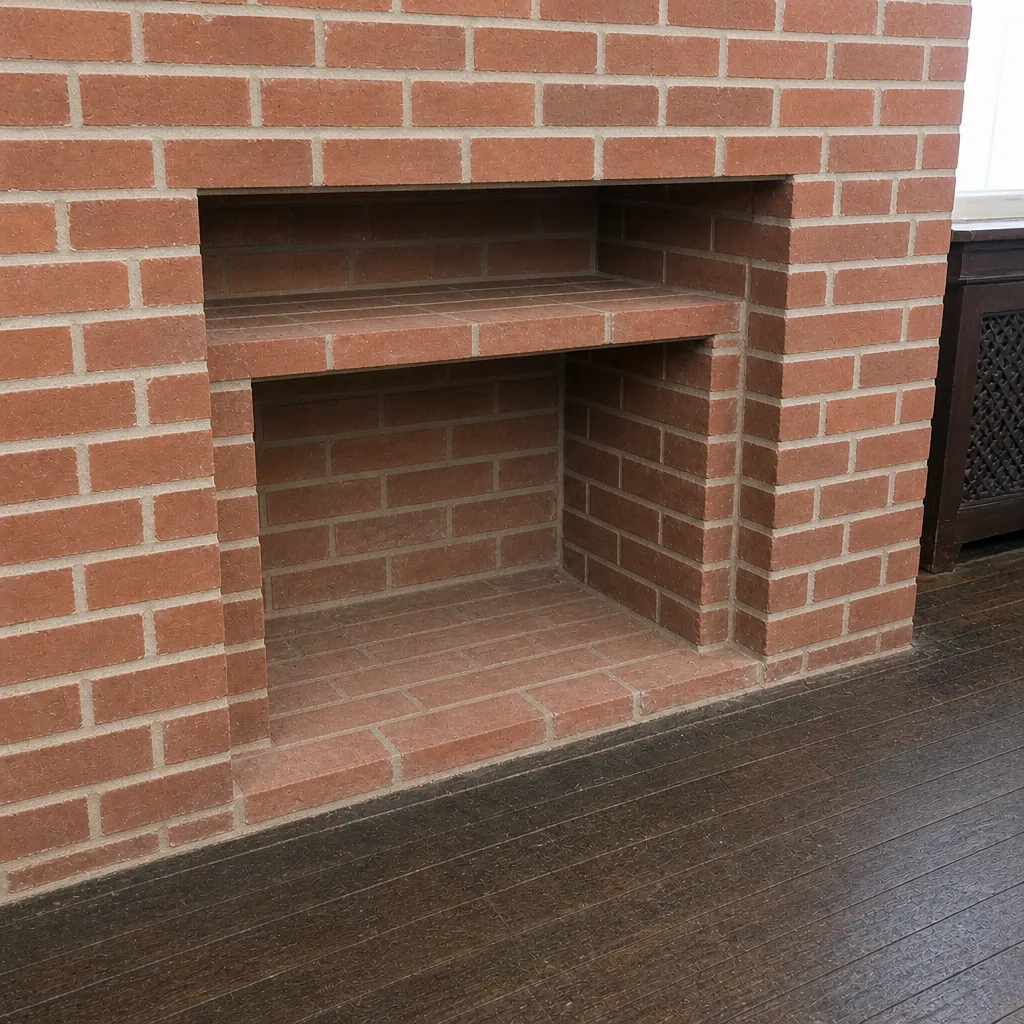
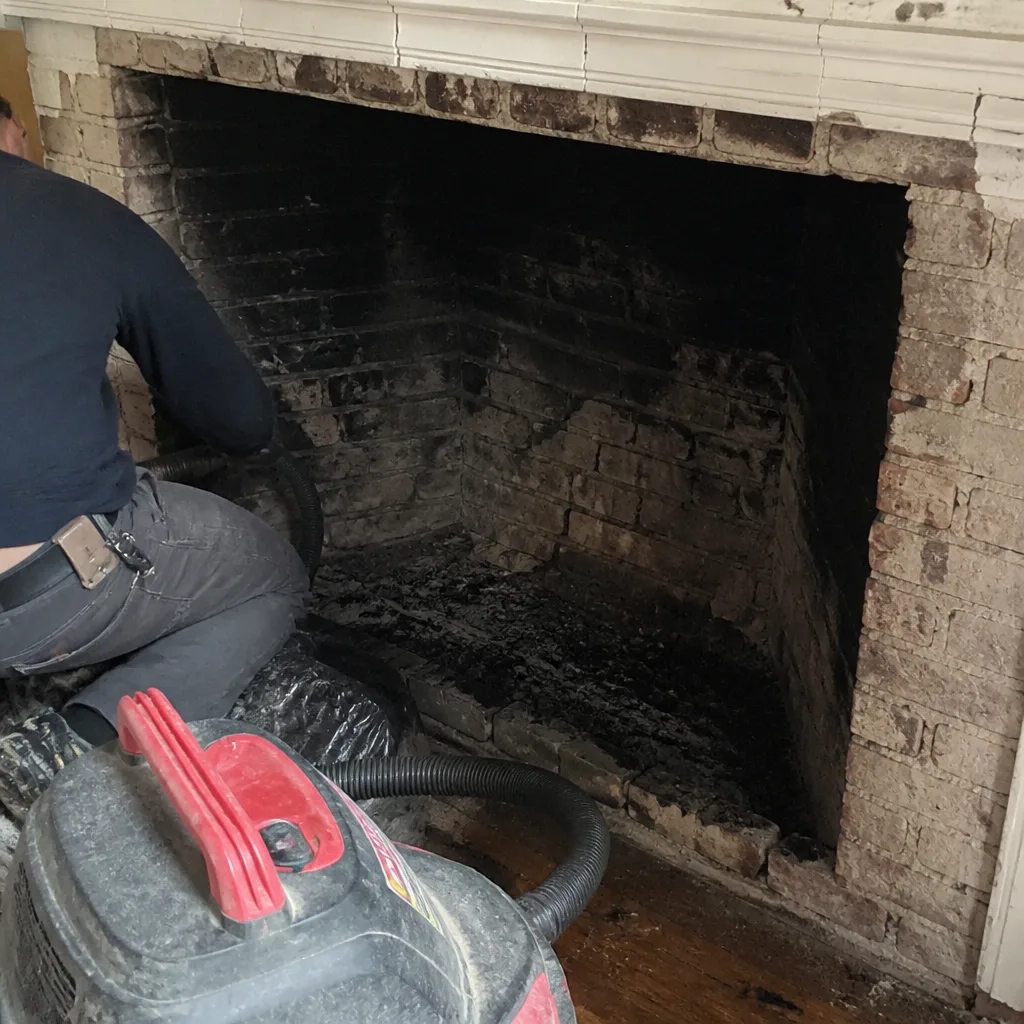
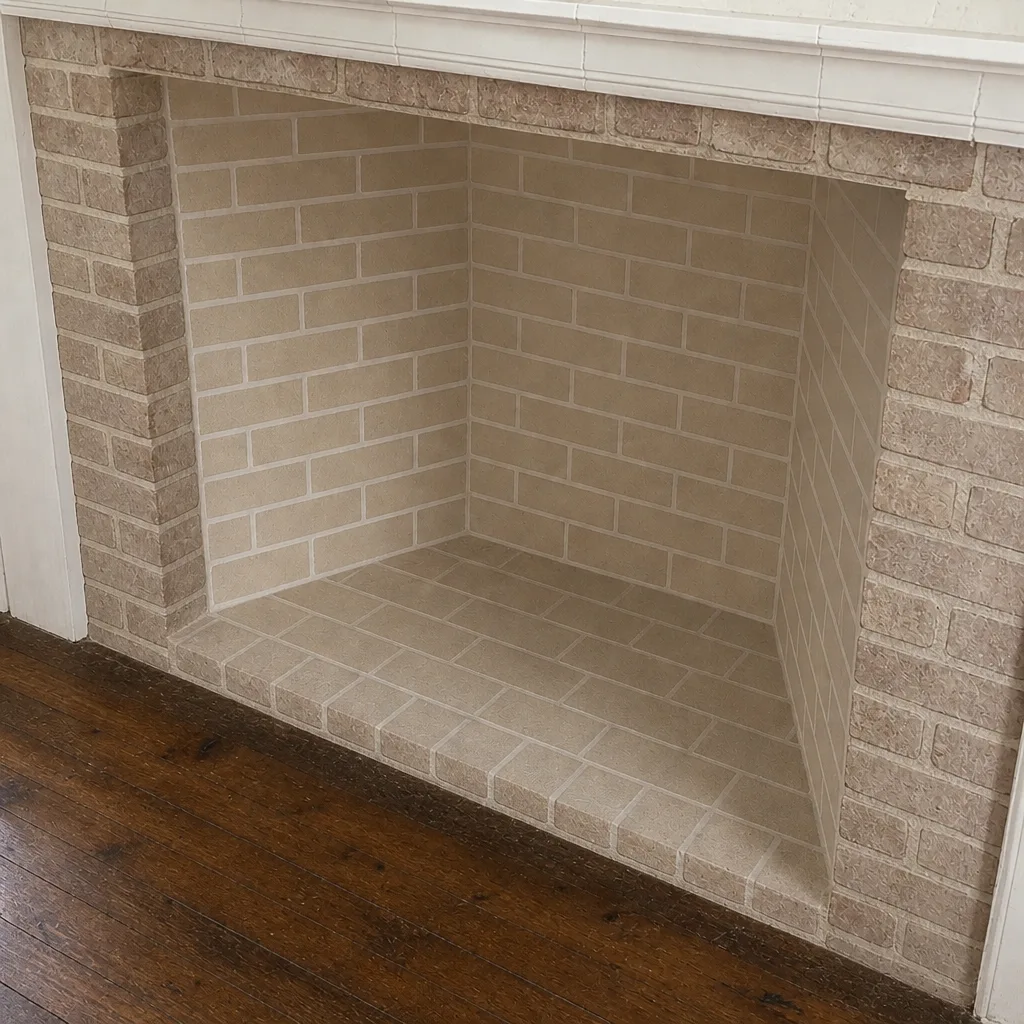
See the difference
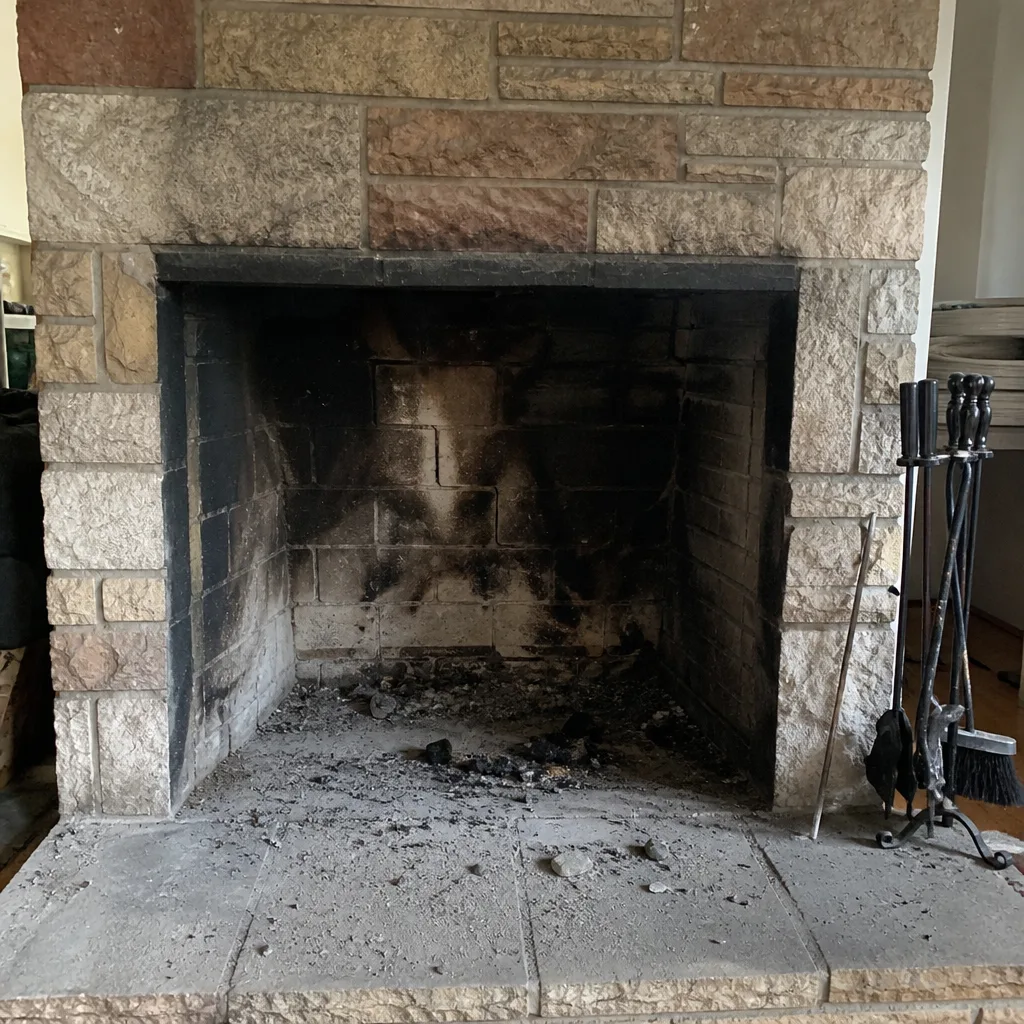 Before
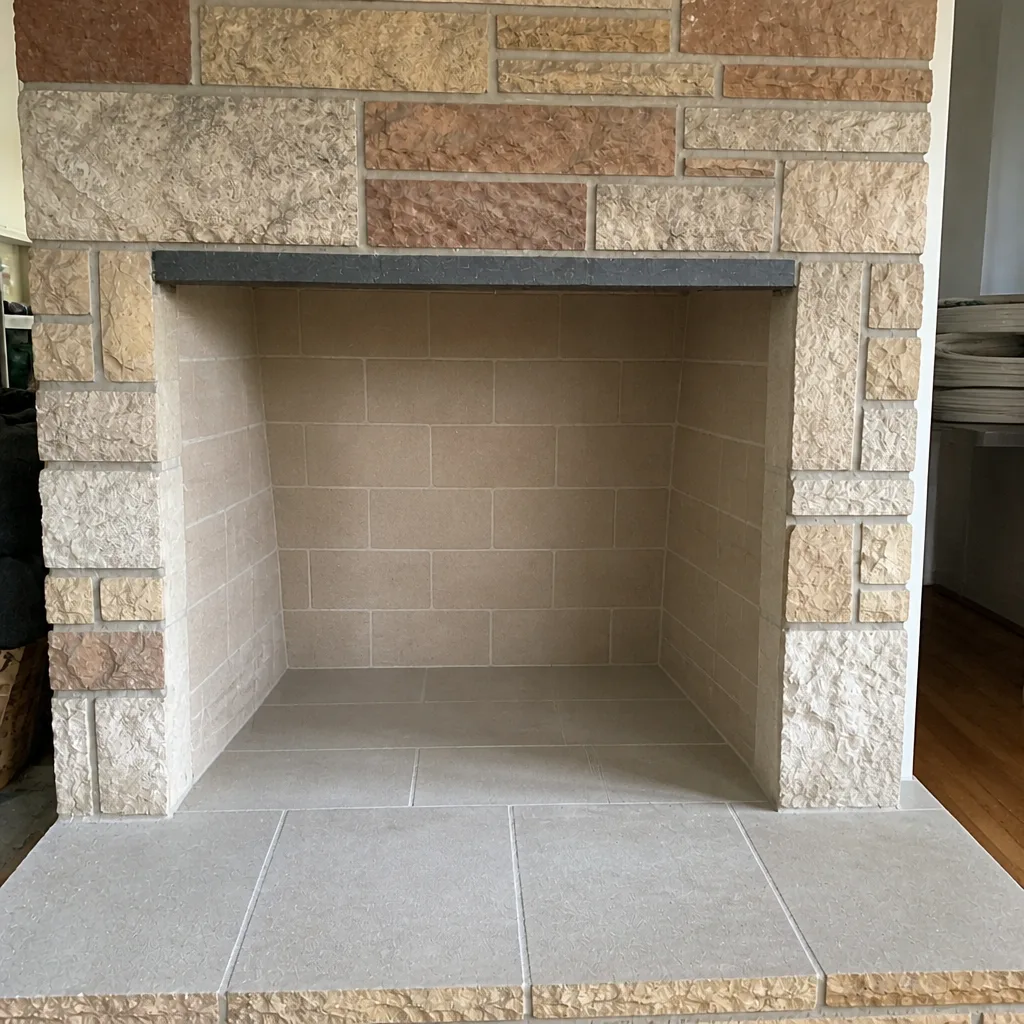 After
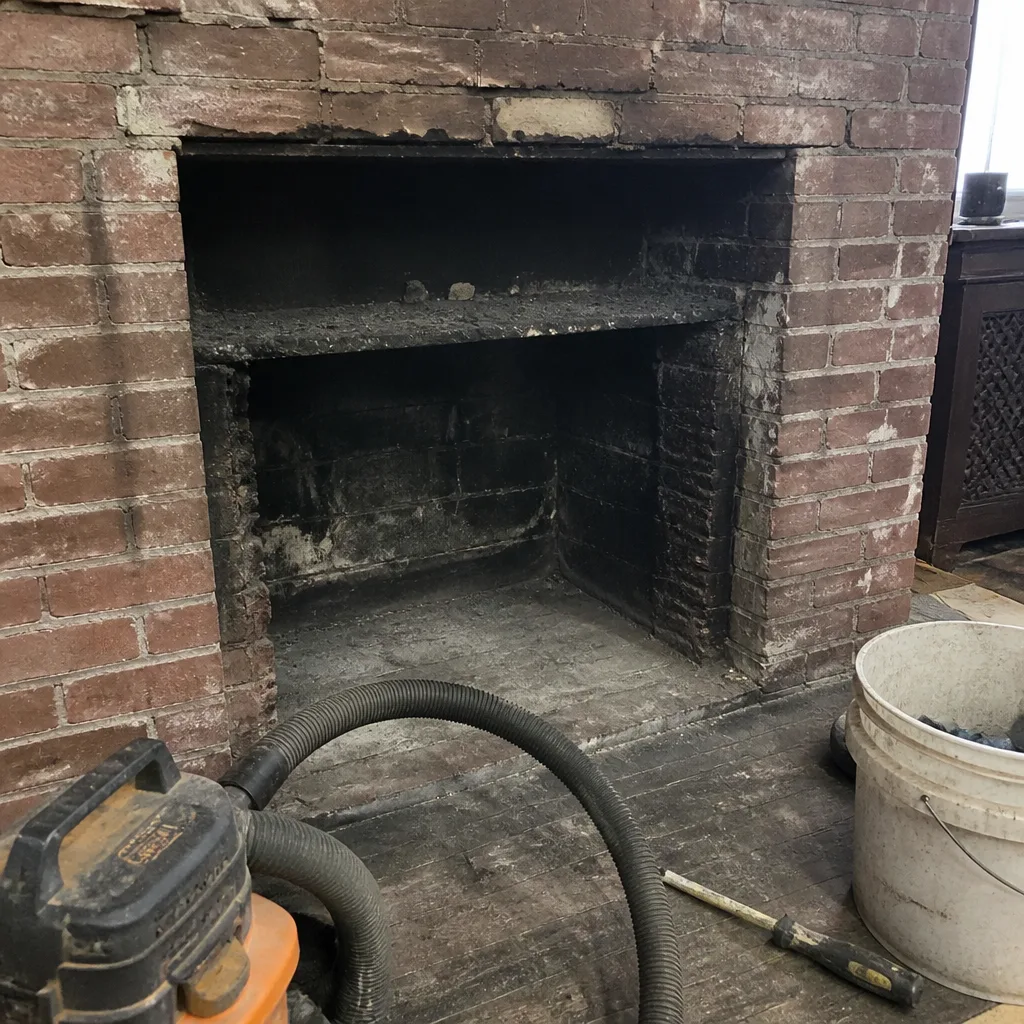 Before
 After
 Before
 After
When to Call a Professional
Some things are worth calling for immediately, and some can wait until the routine inspection. Call right away if a CO alarm sounds, if you smell gas, if smoke fills the room and won’t clear, if you can see flames or embers escaping the firebox, or if the exterior brick above the roofline looks actively crumbling. Call soon rather than immediately if the creosote smell is strong, if you notice ghosting or rust, or if the fireplace has started smoking when it used to draw fine. Call ahead of burning season if the chimney hasn’t been inspected in over a year. Chimney Sweep Harlem offers free estimates in Harlem: call (833) 468-5664. We answer 24/7. Fast dispatch from 7am to 7pm, Sunday through Friday.
We handle the full scope under one company, from the sweep and inspection through cap and crown work, chimney repair, and fireplace repair. We work with professional-tier brands like DuraFlex, Olympia Chimney, Famco, and Copperfield because the materials a sweep specifies determine how long the repair lasts. HeatShield ceramic flue repair is part of that capability, which matters when the liner is deteriorated but not yet failing. Our technicians have up to 13 years of experience, and the inspection is where every job starts.
Frequently Asked Questions
The most common are smoke rolling back into the room, a strong creosote smell in warm weather, musty or sulfur odors, white efflorescence streaks on the exterior, spalling brick above the roofline, and white ghosting or rust inside the firebox. Each sign points to a different component, which is why the inspection matters more than the specific sign. If you’re seeing one or more of these, call (833) 468-5664 for a free estimate.
For most wood-burning fireplaces, a yearly sweep before burning season is the standard, and it’s also the right interval for the inspection. A gas-converted appliance should be checked on the same yearly schedule because gas venting runs wetter than wood. A wood-burning stove or a heavily used fireplace may need more frequent checks. The best timing in Harlem is before the first cold snap, when the freeze-thaw season starts and a small crown crack becomes a bigger repair.
Yes, and that’s the most counterintuitive part of chimney diagnostics. A tight, well-weatherized Harlem brownstone can starve the fireplace of air, and the flue will backdraft even though it’s perfectly clean. A sweep won’t fix this. Pressure diagnostics, smoke chamber shaping, and in some cases a flue sizing check are the right next steps. Call (833) 468-5664 and describe the smoke pattern.
A sulfur or rotten-egg smell in a chimney usually means an animal intrusion (birds, squirrels, or raccoons nesting in the flue) or, less commonly, a compromised liner allowing combustion gas into the walls. The first is more common and easier to fix. The second needs a camera inspection to rule out. Call us if the smell has no obvious animal source.
Call Con Edison for a gas smell, a hissing gas line, or a CO alarm. Call a chimney specialist for smoke behavior, odors, exterior masonry signals, firebox staining, and any question about whether the flue is venting correctly. If your CO alarm sounds, leave the building first, then call Con Edison, then have the flue inspected afterward. Both calls may be necessary.
A chimney sweep in Harlem is priced per job by a written estimate, and the estimate is free. The exact cost depends on the number of flues, the condition the inspection shows, and whether the work is a routine sweep or a repair. We include a camera inspection and a photo report so you can see the same footage we see before you agree to any repair. Call (833) 468-5664 for an exact quote.
Not always. A deteriorated liner can sometimes be resurfaced with HeatShield rather than replaced, which is one reason an inspection comes before a quote. A liner that’s cracked through or disconnected from the appliance usually needs replacement with a product like DuraFlex. The right answer depends on what the camera shows, and you’ll see the footage before you decide. Call for an inspection.
The two outcomes worth taking seriously are a chimney fire from creosote ignition and carbon monoxide exposure from a compromised flue. A neglected chimney doesn’t fail all at once; it moves from Stage 1 to Stage 2 to Stage 3 creosote, and the danger grows with each season. Skipping one year is usually recoverable. Skipping several is where the repairs get serious. Call (833) 468-5664 for a free estimate.
The Bottom Line
Chimney warning signs are readable, and reading them correctly is the whole point. Smoke behavior tells you about draft and smoke chamber shape. Odors tell you about creosote stage, animal intrusion, or water entry. Exterior signals tell you about masonry and the crown. Interior signals tell you about the firebox and damper. In Harlem, the gas-converted heating systems in older brownstones add a CO dimension worth understanding, and knowing when to call Con Edison versus when to call a chimney specialist is part of that. If you’re seeing any of these signs, a free estimate is the fastest way to find out what’s actually going on. Call Chimney Sweep Harlem at (833) 468-5664. We answer 24/7. Fast dispatch from 7am to 7pm, Sunday through Friday.
Written by the team at Chimney Sweep Harlem.