
Last updated November 25, 2026
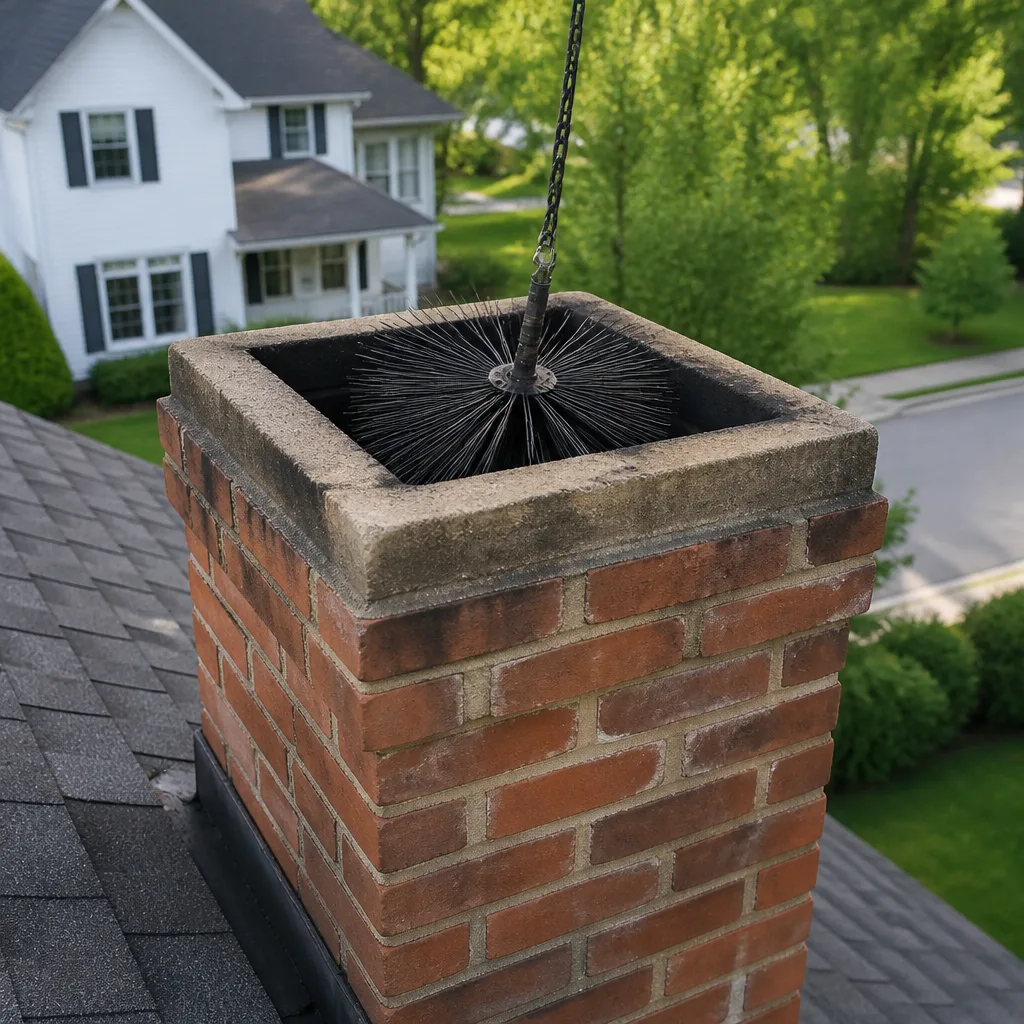 Sweep & inspection
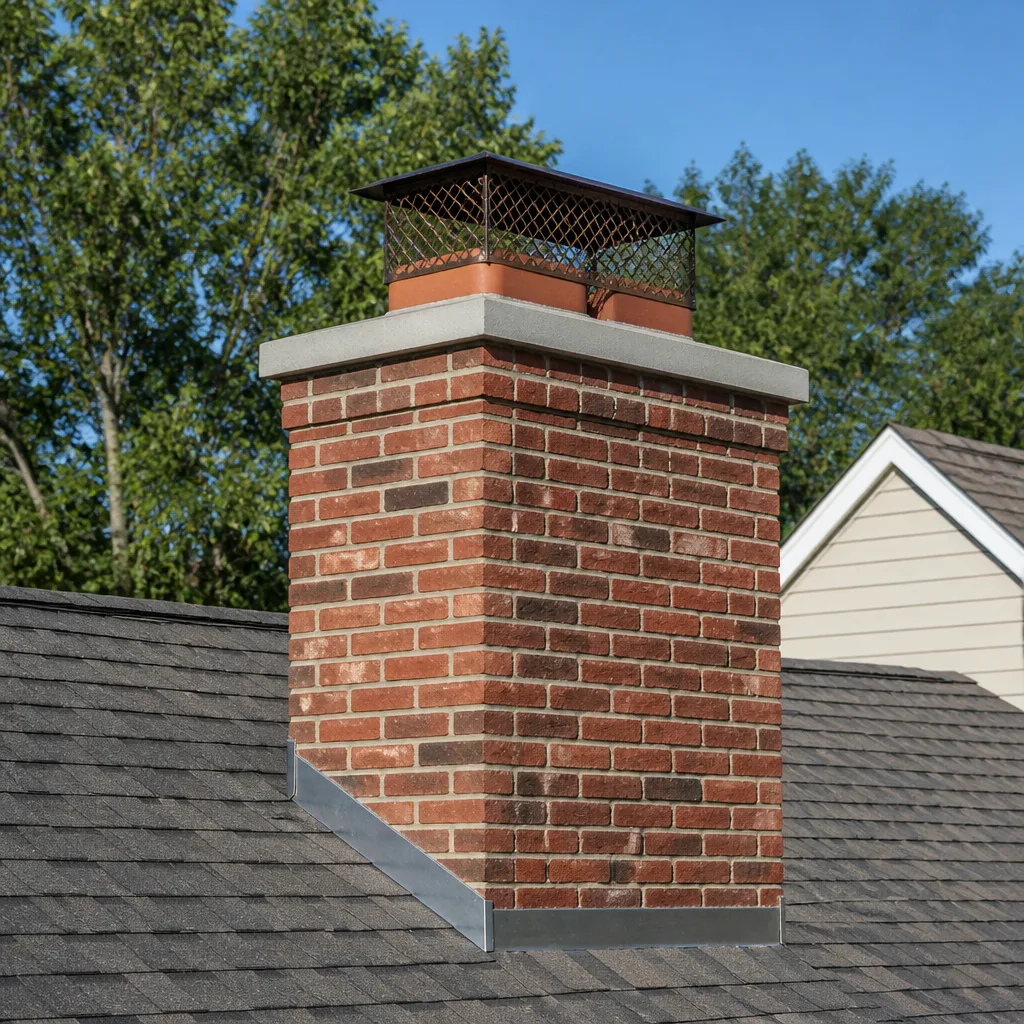 Caps & crowns
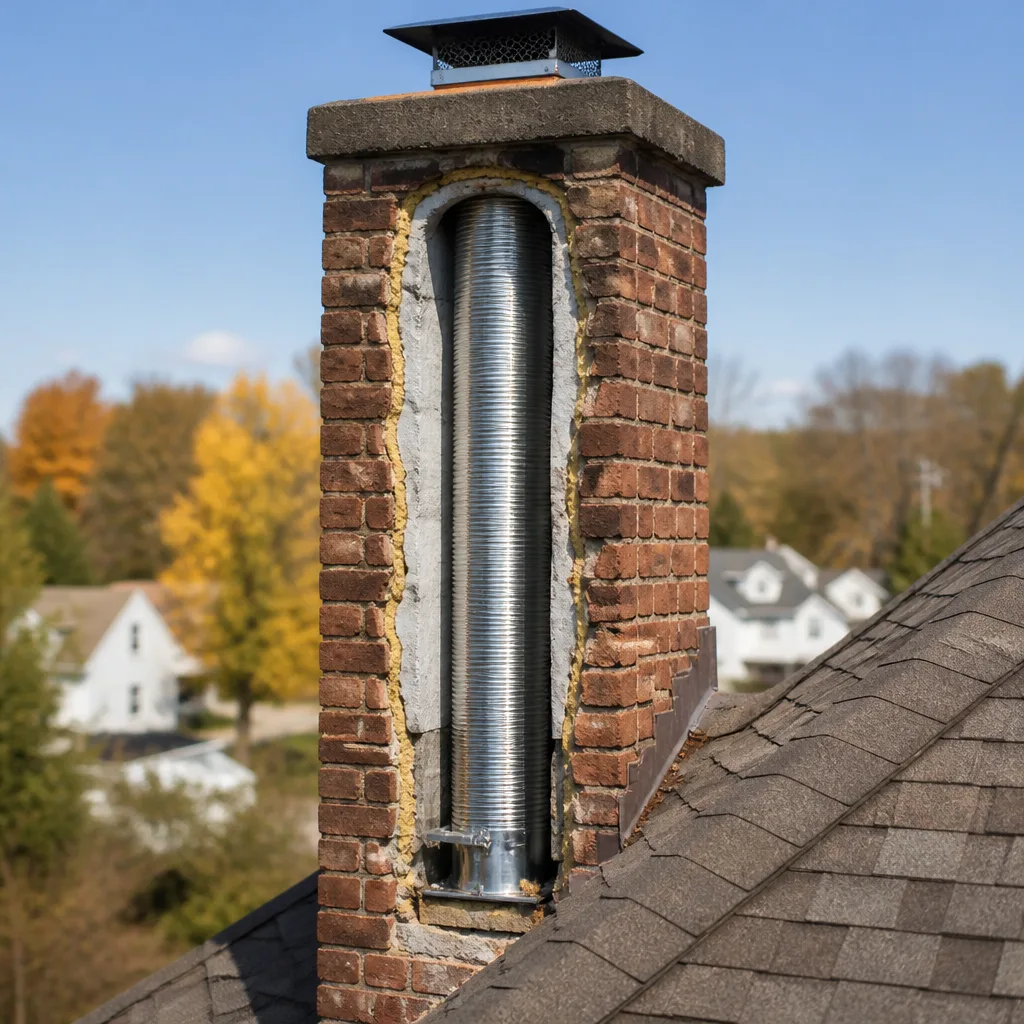 Flue relining
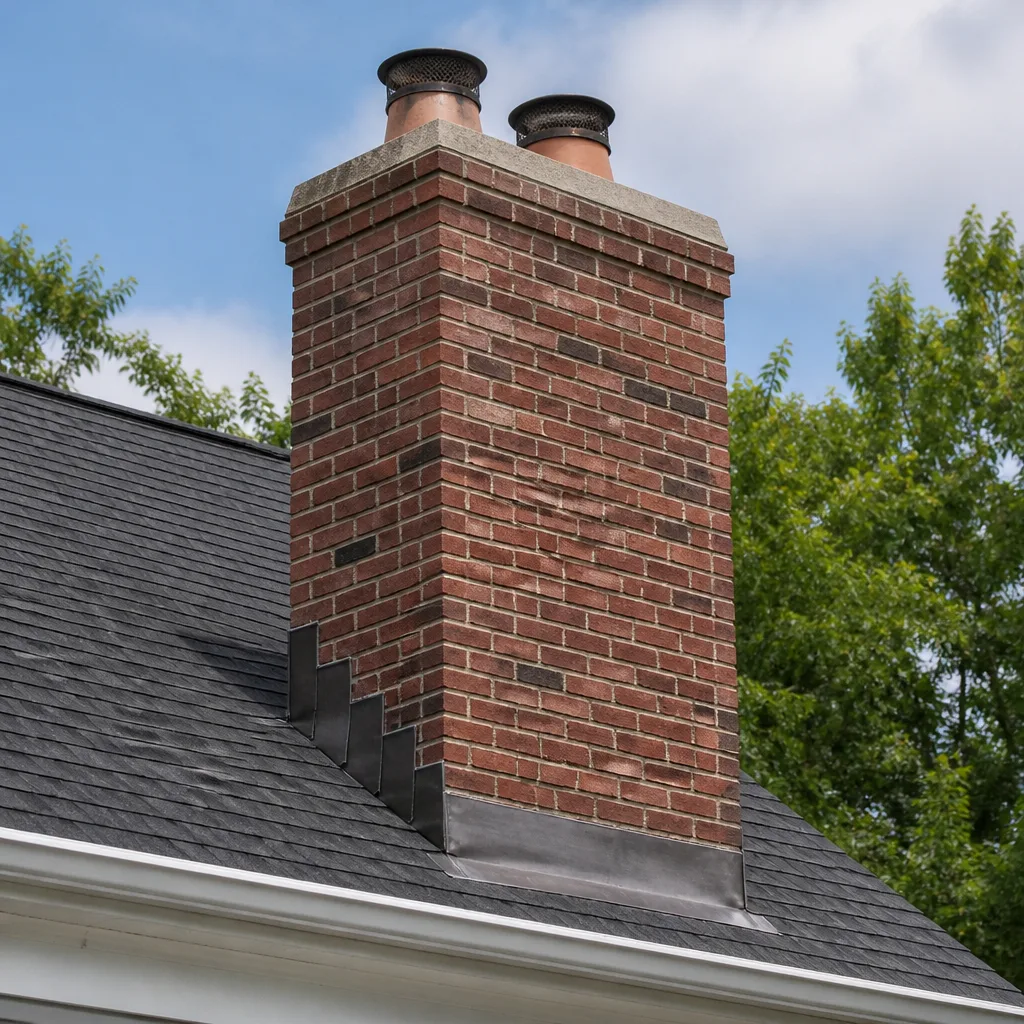 Masonry repair
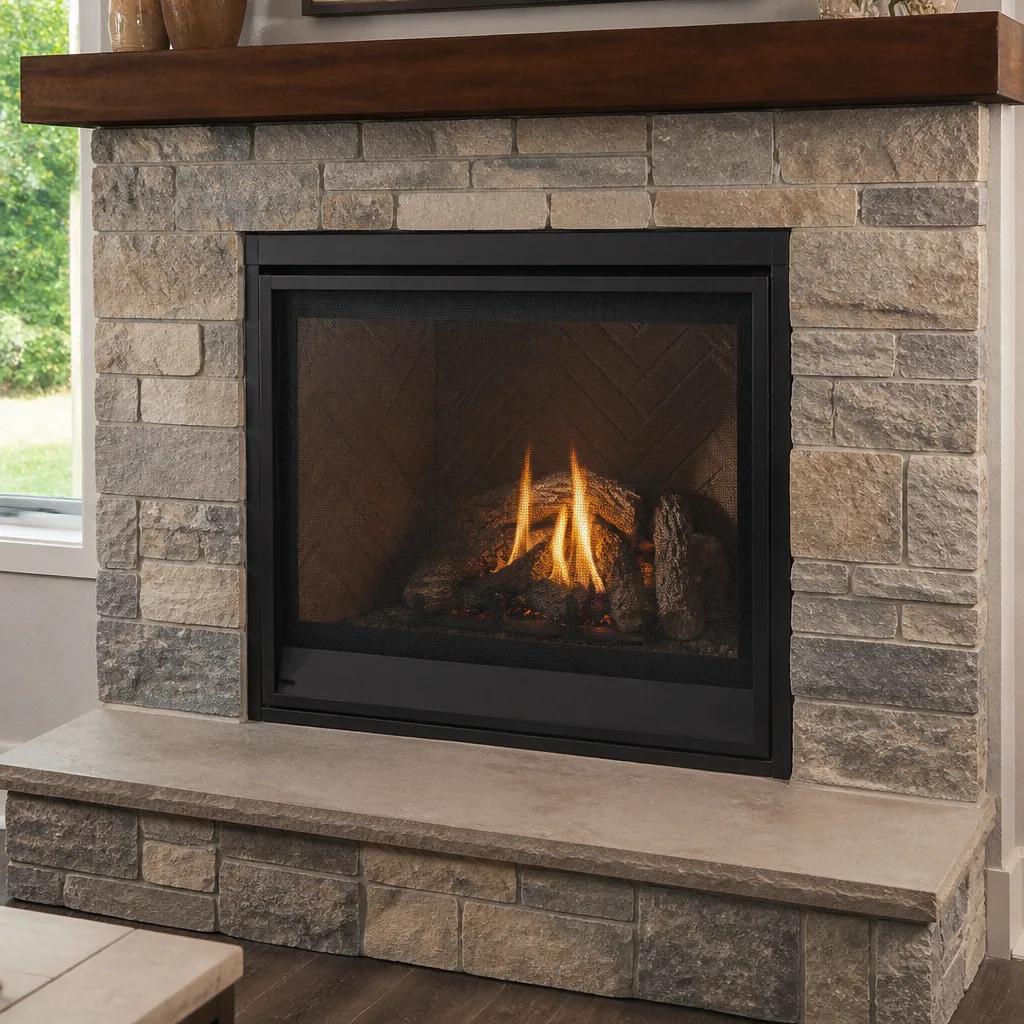 Gas fireplace service
Level 1 sweep and inspection to the NFPA 211 annual standard - flue, crown, cap, and flashing checked and photographed
Chimney sweep logs do not sweep chimneys. They loosen some creosote - which then falls where a brush and vacuum still have to collect it.
Chimney Cleaning Cost Breakdown: The Harlem Homeowner’s Reference for 2026
A $99 chimney sweep special almost always means a Level 1 visual inspection with a brush pass. That’s it. It doesn’t include CCTV liner inspection, smoke chamber assessment, or any repair work, even if the technician notices problems during the visit. That gap between what the ad promises and what the visit actually covers is the single biggest reason Harlem homeowners feel blindsided by chimney bills. In this reference, we break down what each price tier really buys, what it leaves out, and how to read a written estimate so nothing surprises you. You’ll learn how flue height in pre-war buildings, rooftop access on attached brownstones, and offset multi-flue geometry push Harlem costs up or down.
Quick Answer
Chimney cleaning in Harlem in 2026 typically runs $150 to $350 for a standard sweep with a Level 1 inspection. A Level 2 inspection with CCTV camera work adds $100 to $250. Smoke chamber parge coating ranges $400 to $900, crown repair $300 to $800, and full liner replacement $2,500 to $6,000 depending on flue length and geometry. The final price is always set by a written estimate after the technician sees the flue.
Styles & brands we work with
- Sweep & inspection
- Caps & crowns
- Flue relining
- Masonry repair
- Gas fireplace service
Table of Contents
- Why chimney cleaning costs vary so much in Harlem
- The five price tiers and what each one actually buys
- What drives price variation in Harlem specifically
- Hidden add-on costs that inflate low-price sweep quotes
- How to read a written estimate line by line
- Cost-per-year math: HeatShield restoration vs. full reline
- How often should a Harlem chimney be swept?
- When in the year is sweep pricing most favorable?
Why Chimney Cleaning Costs Vary So Much in Harlem
Chimney cleaning pricing in Harlem varies by a factor of four or more, and it’s not market chaos. It’s that “chimney cleaning” means genuinely different scopes of work depending on who’s quoting and what they plan to do inside your flue. A brush-and-vacuum pass on a single straight flue is a different job than a full Level 2 inspection with camera footage, a smoke chamber assessment, and a written condition report. Both get advertised as “a chimney cleaning.” Both are quoted at very different numbers. Neither is dishonest on its own, but the gap between them is where most Harlem homeowners lose track of what they’re paying for.
The other driver is building stock. Harlem’s housing is dominated by pre-war walk-ups, attached brownstones, and townhouses built before modern flue standards were common. That means flue heights are often taller than suburban stock, rooftop access is frequently shared or restricted, and flues are more likely to have offsets, multiple connections, or clay tile liners that have shifted and cracked over decades of heating cycles. Each of those conditions adds time and materials to a job that would be routine in a newer home.
Our technicians have up to 13 years of experience in exactly this housing stock, and the pattern is consistent: a Harlem flue almost never matches the generic pricing schedule a suburban sweep uses. It’s not that pricing is inflated here. It’s that the scope of work is more involved, and the honest quote reflects that.
The Five Price Tiers and What Each One Actually Buys
Here’s the clearest way to decode a chimney quote in Harlem: match the price to a tier, and then check what’s inside it. Most of the confusion comes from quotes that sit between tiers or claim everything at a single-tier price.
Tier 1: Standard sweep with Level 1 inspection ($150 – $350)
This is the baseline service and what most “annual sweep” ads mean. Includes:
- Brush and vacuum of the accessible flue from the firebox or roof
- Level 1 visual inspection (accessible portions only, no camera)
- Basic firebox and damper check
- Written summary of any visible issues
What it does not include: CCTV camera inspection, smoke chamber interior assessment, any repair work, and any work on the liner beyond what’s visible from the top or bottom opening.
Tier 2: Level 2 inspection with CCTV ($250 – $600)
The Level 2 adds a video camera run through the entire flue and a documented condition report with still images. This is the tier that actually tells you what’s inside the liner. It’s the right starting point if you’re buying a home, switching fuel types, or haven’t had the chimney looked at in several years. On a Harlem brownstone with an offset flue or multi-appliance connection, the camera is the only way to see the full run.
Tier 3: Smoke chamber parge coat ($400 – $900)
The smoke chamber sits directly above the damper and below the flue. Its corbelled shape accumulates creosote faster than the flue, and rough masonry surfaces there are a common ignition point. A parge coat smooths the surface with a refractory mortar. On older Harlem fireplaces that have never been parged, this is a common finding after a Level 2.
Tier 4: Crown repair or replacement ($300 – $800)
The crown is the concrete cap at the top of the chimney that sheds water away from the masonry. A cracked crown is the most common source of water intrusion into a Harlem chimney. Repairs typically involve removing loose material, re-forming the slope, and sealing; replacement means rebuilding the crown entirely. We handle this alongside the cap work on our chimney cap & crown service.
Tier 5: Full liner replacement ($2,500 – $6,000)
When the existing clay tile liner is cracked, spalled, or incorrectly sized for the appliance, the liner needs replacing. A stainless steel reline with a professional-grade product like DuraFlex or Olympia Chimney typically runs $3,000 to $6,000 in Harlem depending on flue length, offsets, and whether the top needs rebuilding. Full-scope work of this kind belongs under our chimney repair service, which includes liner restoration and reconstruction.
What Drives Price Variation in Harlem Specifically
Two Harlem chimneys of the same age and apparent condition can price $1,500 apart because of factors a phone quote can’t see. These are the ones we watch for:
Flue height in pre-war buildings
Pre-war walk-ups in Harlem often have chimneys running three or four stories. Taller flues mean longer liner runs, more sections to install, and longer camera runs during inspection. Liner pricing is often quoted per linear foot, so an extra story adds real cost to a reline without any change in the visible firebox.
Rooftop access on attached brownstones
Many Harlem brownstones are attached, with shared roofs and limited ladder access. Getting tools, a vacuum, cameras, and liner sections to the chimney top may require a longer setup, a different access point, or coordination with a neighbor. This is time in the quote that a detached single-family property in another ZIP code would not carry. It’s not a surcharge; it’s honest labor.
Liner geometry in offset multi-flue systems
Multiple appliances sharing one chimney stack, common in Harlem conversions from single-family to multi-unit use, means multiple flues with their own offsets, connections, and cap configurations. A camera run through an offset flue takes longer and often reveals problems that aren’t visible at either opening. Relining an offset flue requires a flexible liner (which is why we use DuraFlex) rather than rigid pipe, and the labor reflects it.
Lathe-and-plaster interior walls
In many Harlem pre-war interiors, the wall behind the fireplace is still lathe-and-plaster over wood framing. Any repair that requires opening the wall around the firebox costs more to close up than drywall, and it demands more care to avoid cracking the surrounding plaster. Estimates that don’t account for this will almost always come back with a change order.
Local building stock and the inspection baseline
Harlem’s stock of century-old masonry means we start from an assumption that the liner has been heat-cycled for a very long time. That doesn’t automatically mean replacement, but it does mean the Level 2 camera inspection is the honest starting point more often than the Level 1 brush pass.
Hidden Add-On Costs That Inflate Low-Price Sweep Quotes
The $99 sweep is a real service. It’s just rarely the whole bill. When we review a competitor’s low-price quote with a Harlem homeowner, these are the line items that appear later, once the technician is already in the home:
- Camera inspection billed separately. A sweep at $99 that requires a camera to confirm condition becomes a $300+ visit. The quote didn’t include the camera because the low price wouldn’t have been possible with it.
- Trip or dispatch charges added at booking. Ask up front whether the advertised price is the total or whether a trip charge is added. We don’t charge one; the written estimate is the total.
- Ash vacuum surcharges. Heavy ash loads, common in chimneys that have burned for a full season without a sweep, may be billed as an extra. A fair estimate should state whether ash handling is included.
- Rooftop access charges. On tall or difficult-access Harlem roofs, some quotes add an access fee after arrival. This should be disclosed at estimate time, not after the ladder is up.
- “Recommended” repairs from a technician who isn’t qualified to do them. When a sweep-only company finds liner damage, the referral to a repair crew can include a markup. Completing both the inspection and the repair under one company, as we do, keeps the finding and the fix tied to the same written scope.
- Camera footage offered as a courtesy, not a report. Ask whether you’ll receive a written condition report with images, or just a verbal “looks fine.” The written report is what you’ll want in a home sale file or insurance claim.
How to Read a Written Estimate Line by Line
A good chimney estimate is a document you can read without a technician standing over your shoulder. Here’s what to look for, in order:
- Scope statement at the top. The first paragraph should say what tier of service is being quoted (sweep, Level 1, Level 2, etc.) and where the work will be performed (firebox, flue, crown, cap, damper).
- Line items with quantities. “Liner replacement” is not a line item; “5.5-inch DuraFlex liner, 32 linear feet, including top plate and cap” is. Insist on quantities for anything priced per foot.
- Material callouts by brand. Professional-grade product names should appear: HeatShield for ceramic flue restoration, DuraFlex or Olympia Chimney for stainless liners, Gelco or Copperfield for caps and crowns where applicable. Big-box substitutes should be called out if they’re what’s being quoted, so you can ask why.
- Explicit exclusions. A good estimate says what is NOT included: interior wall repair, masonry rebuild above roofline, permits, cap replacement. The exclusions list is where change orders come from, so read it carefully.
- Photographic documentation clause. The estimate should state that camera images will be provided with the work order. If it doesn’t, ask.
- The final price statement. The written estimate sets the final price. If a technician later recommends additional work, that work should come as a separate written estimate, not a verbal upsell.
One rule we stick to: nothing is recommended without camera evidence the homeowner can see for themselves. If a technician tells you the liner is deteriorated, the footage should be in front of you. If it isn’t, ask for it before approving anything.
Cost-Per-Year Math: HeatShield Restoration vs. Full Reline
On Harlem’s older flue profiles, the choice between restoring and relining comes down to how much of the original clay tile is still serviceable. It’s not a coin flip, and it’s not always “replace.”
When HeatShield ceramic resurfacing pencils out
HeatShield is a specialized ceramic resurfacing system for deteriorated flue liners. It’s applied to the interior of the existing liner, filling cracks, spalled areas, and gaps to restore a smooth, gas-tight surface. It’s appropriate when:
- The original clay tile is mostly intact, with localized cracking or spalling
- The flue geometry is irregular or has offset sections where rigid stainless would require extensive modification
- The appliance connection and flue sizing are already correct
- The liner has not shifted or separated at the joints
Typical cost: $1,500 to $3,000 depending on flue length and condition. Service life with a HeatShield restoration is measured in decades for a properly sized appliance.
When full reline is the honest choice
A stainless reline is the right answer when the tile is missing in sections, shifted, or the flue is fundamentally wrong-sized for the appliance. A high-efficiency gas appliance often needs a smaller flue than the original masonry chimney was built for, and in that case no amount of resurfacing corrects the geometry. Typical cost: $3,000 to $6,000.
The cost-per-year math in Harlem favors restoration when the tile is viable: a $2,000 HeatShield restoration that lasts 25+ years is roughly $80 per year, versus a $4,500 reline that might last 30+ years at roughly $150 per year. The difference isn’t dramatic, but restoration is meaningfully cheaper on a per-year basis when it’s the right fit. Both scenarios require proper annual maintenance, which is why a routine chimney sweep is the recurring cost that makes the math work either way.
What tips the decision is not price but condition. If the camera shows the tile is viable, we say so. If it doesn’t, we say that too. Recommending a $5,000 reline when a $2,000 restoration would do is exactly the outcome the camera inspection is designed to prevent.
How Often Should a Harlem Chimney Be Swept?
Chimney sweeping frequency depends on how much you burn, not on the calendar. A wood-burning fireplace used regularly through the heating season typically needs an annual sweep. A gas fireplace with modest use may go several years between sweeps, but still needs an inspection to catch flue condition changes.
A practical rule for Harlem homeowners:
- Wood-burning, regular use: sweep annually, inspect annually
- Wood-burning, occasional use (holidays, weekends): sweep every 1 – 2 years, inspect annually
- Gas appliance: inspect annually, sweep on condition
- Any chimney after a home purchase or fuel-type change: Level 2 inspection before first use
Creosote accumulation drives the sweep timing. There’s no way to estimate it from the outside; the camera inspection is the only reliable check. Skipping the sweep and inspection means the creosote keeps building in a flue that nobody has looked at since the last season. That’s the scenario worth avoiding, because a chimney fire in a pre-war Harlem flue can compromise the masonry stack, not just the chimney itself. Safety is the reason to book, but it isn’t a scare tactic. A sweeped chimney is a known quantity; an unswept one isn’t.
When in the Year Is Sweep Pricing Most Favorable?
Chimney work in Harlem follows the same seasonal rhythm as anywhere else in the Northeast. Late spring and summer are the least busy stretch, and estimates booked before the fall rush are the easiest to schedule. Nothing about the price range changes by season, but the practical reality is that when the first cold snap hits, the calendar fills up. Booking a sweep in the warmer months means the work happens before the amount of creosote in the flue matters. Booking in October or November is fine too, but you’ll often be waiting for the first available opening after the rush settles.
If you’ve just bought a home, the timing is not optional: a Level 2 inspection before first use is the smart starting point regardless of the season. Home sales and insurance requests drive a large share of the inspection work we do in Harlem, and both are best handled before the appliance gets used, not after.
Common Mistakes to Avoid
- Assuming the $99 special includes a camera inspection. It almost never does. Ask what tier the quoted price covers before booking, so you know whether the camera is inside or an add-on.
- Treating a verbal “looks fine” as a condition report. Pre-war Harlem flues need documented evidence. If you don’t have images, you don’t have a record for a home sale or an insurance file.
- Calling a sweep-only company and a repair contractor separately. The diagnosis and the fix under different roofs is where markups and finger-pointing come from. One company handling inspection through repair keeps accountability in one place.
- Approving a liner replacement without seeing the footage. No camera evidence, no approval. This is a $3,000 – $6,000 decision and it should never be made from a verbal description.
- Skipping the inspection because the fireplace “seems fine.” Creosote and liner cracks don’t announce themselves. A chimney that draws correctly can still have a compromised flue.
- Letting a cracked crown sit through another winter. The crown is the top of the chimney and the primary path for water intrusion. A $300 – $800 crown repair in the fall is cheaper than the masonry damage it prevents.
- Buying a cheap cap from a hardware store and calling it done. Caps are the first defense against water and animal entry. A generic cap that doesn’t fit the flue diameter or hasn’t been installed with the masonry in mind will fail. We use professional-tier caps from brands like Gelco or Copperfield for this reason.
See the difference
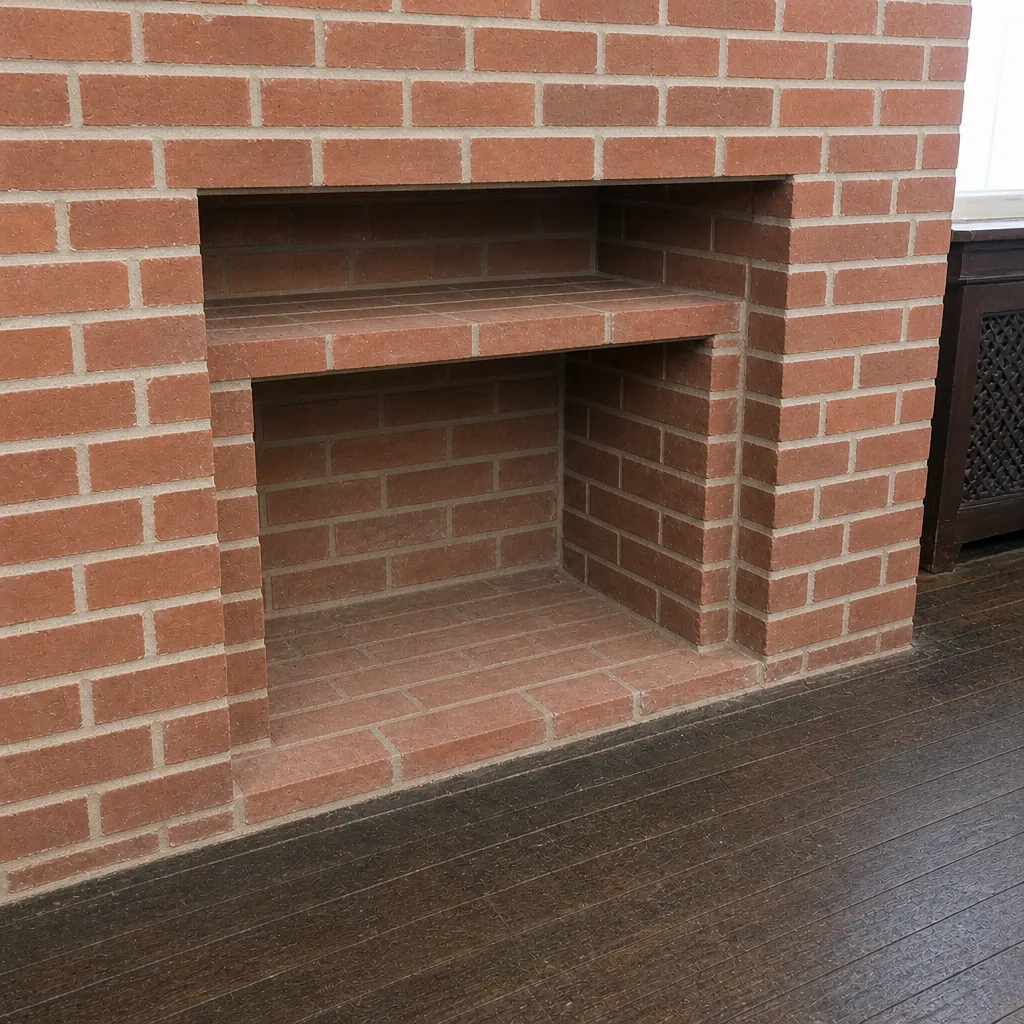
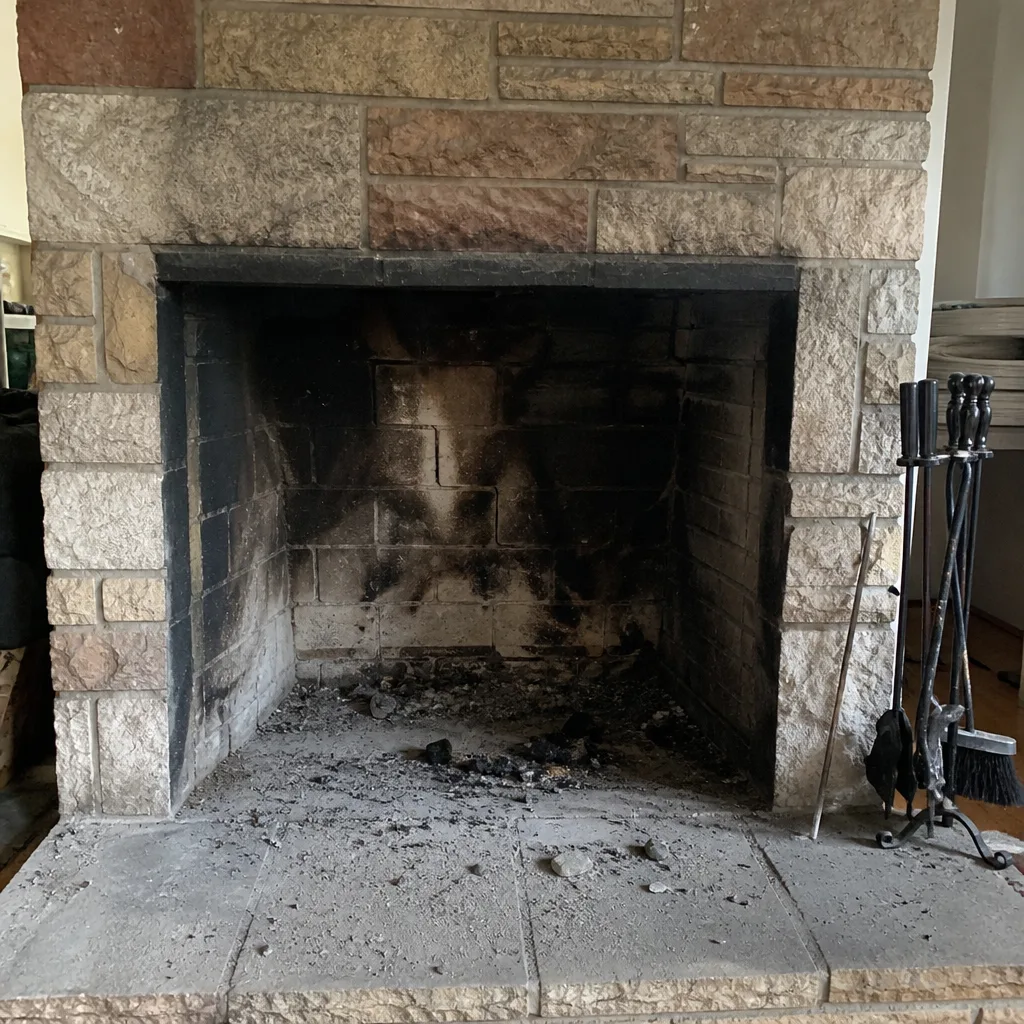 Before
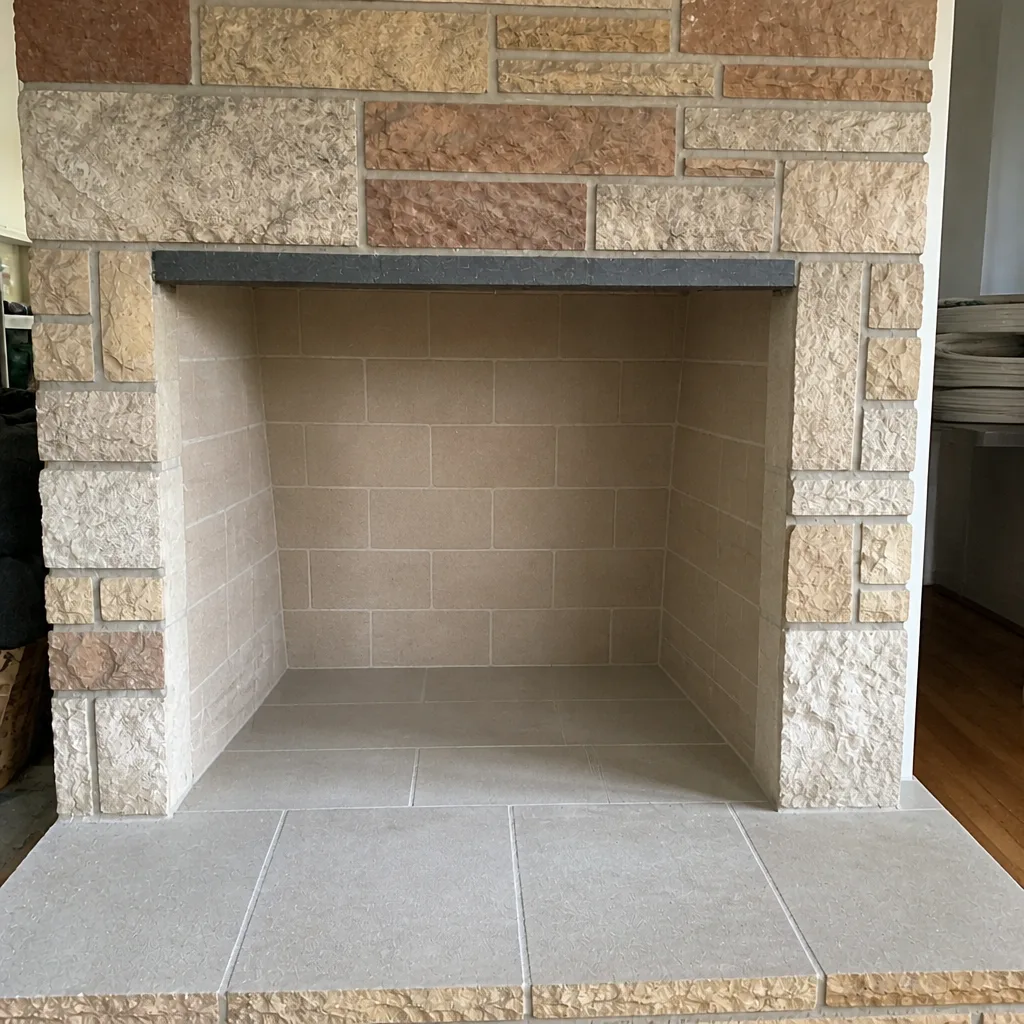 After
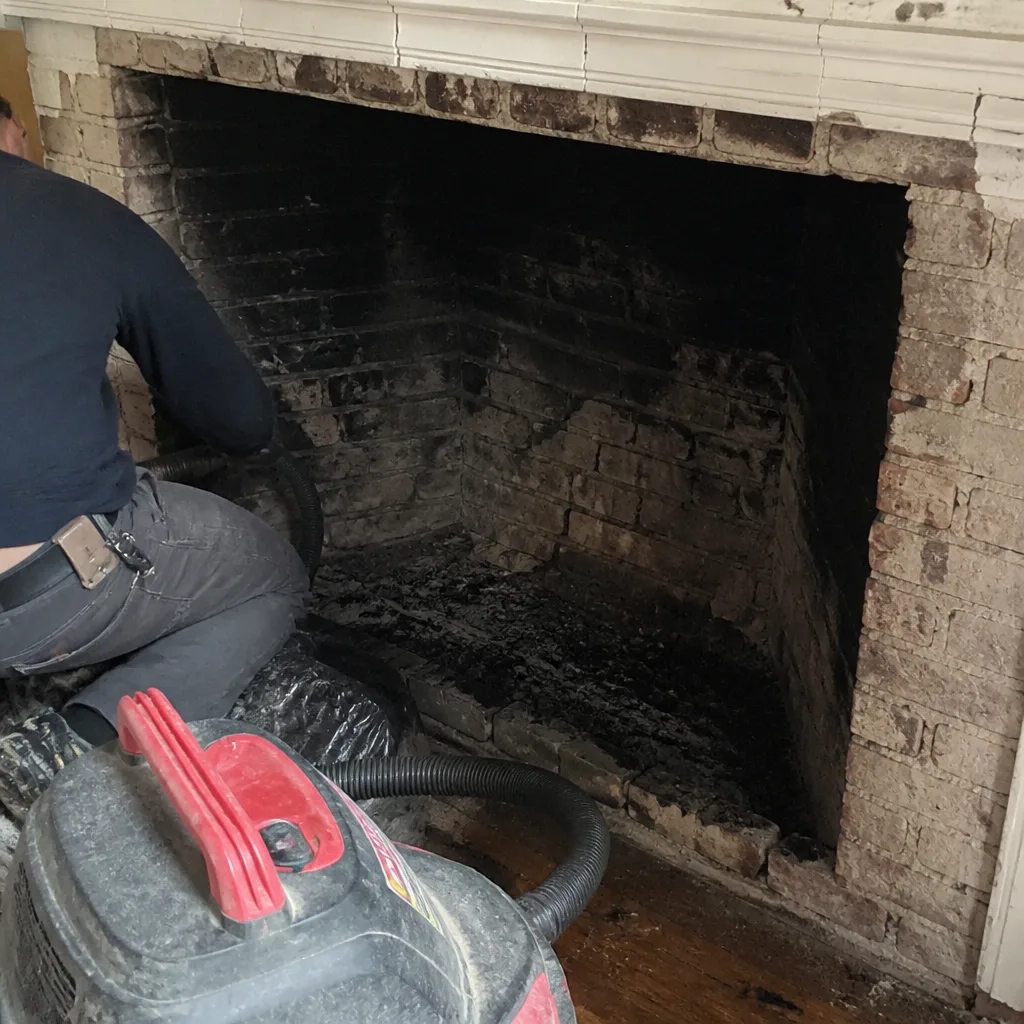
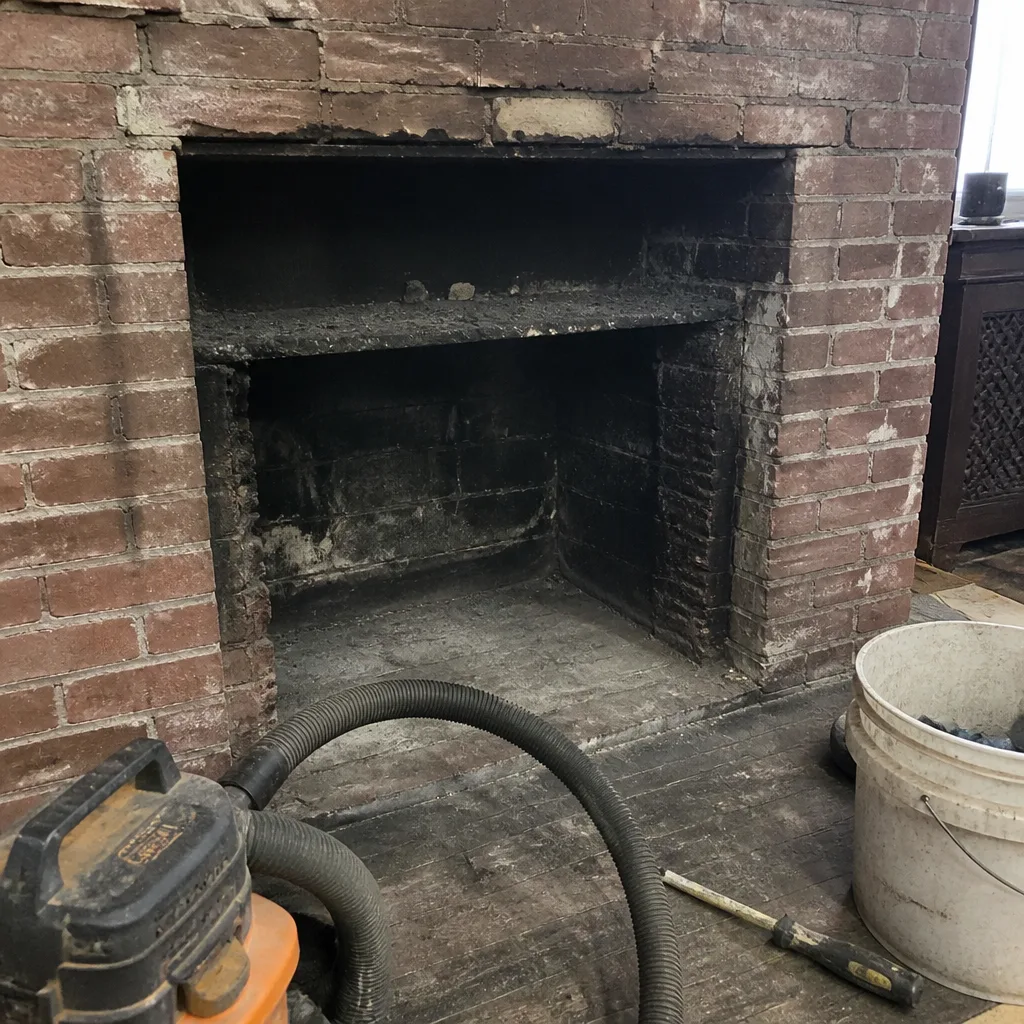 Before
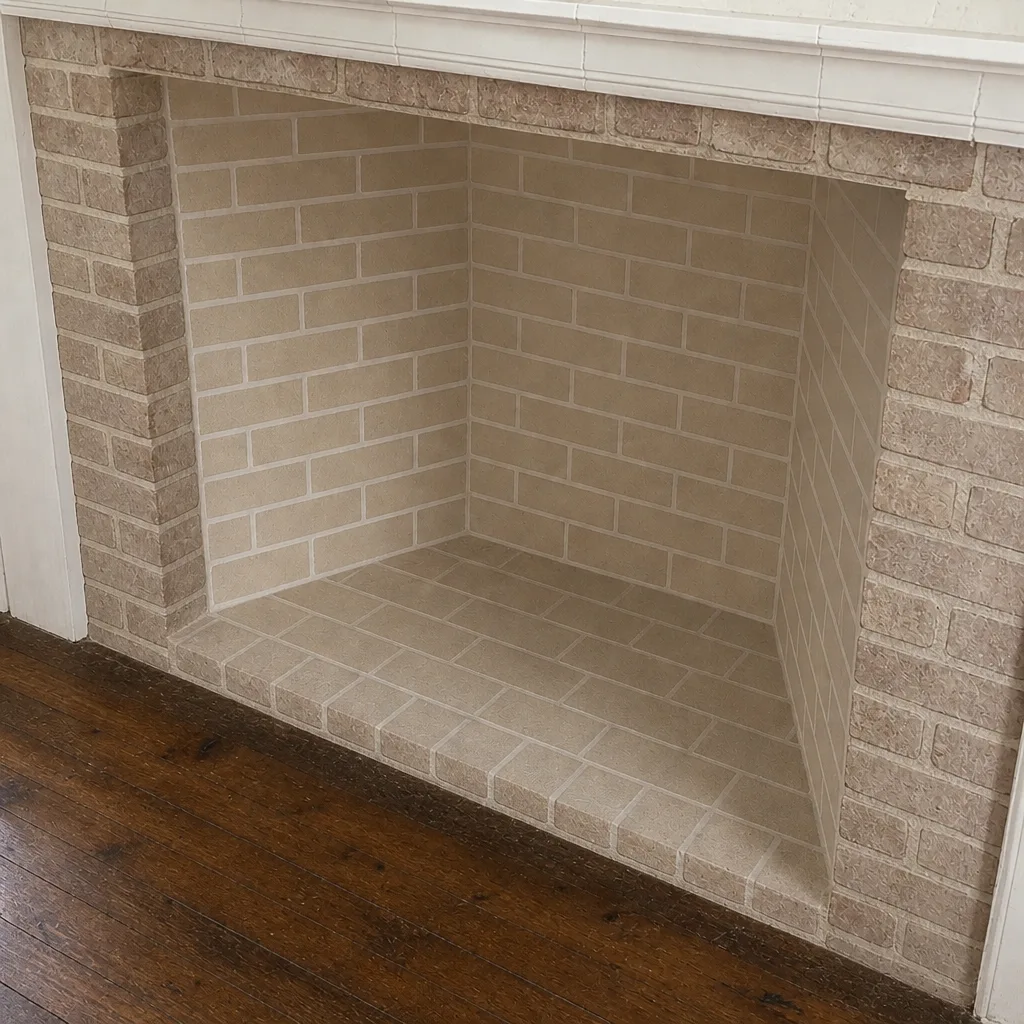
 After
 Before
 After
When to Call a Professional
Some chimney findings are worth a homeowner’s attention but can safely wait. Others can’t. Call a professional if the firebox shows visible cracking in the masonry or refractory panels, if the damper no longer seats properly, if you smell creosote inside the home when the fireplace isn’t burning, if smoke rolls into the room when the fire is lit, or if the crown is visibly cracked or missing pieces. Any of these signals needs a technician to come look before the next fire. The same is true for any chimney that hasn’t been inspected in the last few years, especially in older Harlem buildings where the liner condition is unknown. And if you’re selling the home or your insurer requests documentation, the Level 2 inspection is the right starting point. Nothing is recommended without camera evidence you can see. Chimney Sweep Harlem offers free estimates in Harlem. Call (833) 468-5664. We answer 24/7. Fast dispatch from 7am to 7pm, Sunday through Friday.
Frequently Asked Questions
A standard sweep with a Level 1 inspection in Harlem runs $150 to $350 in 2026. A Level 2 inspection with CCTV camera work adds $100 to $250 depending on the length and complexity of the flue, and taller pre-war buildings or offset multi-flue systems sit at the higher end of that range. The written estimate after a technician sees the flue sets the final price. Call (833) 468-5664 for an exact quote. Estimates are free.
Not always. A new liner is only necessary when the existing clay tile is cracked, spalled, shifted, or fundamentally wrong-sized for the appliance. In many Harlem flues with localized deterioration, a HeatShield ceramic restoration at $1,500 to $3,000 restores the liner without a full reline. The decision should never be made from a verbal description. Ask to see the camera footage before approving anything. Call (833) 468-5664 and we’ll walk you through what the footage shows.
A wood-burning chimney used regularly through the heating season should be swept annually. A gas appliance can go years between sweeps but should still be inspected annually. Every chimney should get a Level 2 inspection before first use in a new home or after a fuel-type change. Call (833) 468-5664 to book a sweep and know where you stand before the season starts.
Creosote keeps accumulating in the flue, and without a camera inspection, nobody knows how much or where. The risk that builds from an unswept chimney is two-part: creosote can ignite and cause a chimney fire, and the flue can develop undetected cracks that let combustion gases into the home rather than up and out. Neither scenario is guaranteed, but neither is visible from the firebox. If you’ve skipped more than a season of sweeping, call (833) 468-5664 to get an inspection on the calendar.
Because they’re quoting different scopes. A $99 quote means a brush pass and Level 1 visual inspection. A $400 quote likely includes a Level 2 inspection with camera footage, a written report, and possibly a smoke chamber assessment. Before comparing prices, ask each contractor what tier of service is included and whether any add-on charges apply. Call (833) 468-5664 and we’ll walk through what’s inside our estimate, line by line.
A chimney sweep inspects the flue, firebox, damper, smoke chamber, crown, cap, and the visible masonry of the chimney exterior. That’s the full scope. Any system outside those components, such as a gas line at the appliance or ductwork inside the wall, is out of scope and belongs to a different trade. If the inspection uncovers something that requires another contractor, we say so plainly. Call (833) 468-5664 for a chimney-focused inspection in Harlem.
The Bottom Line
Chimney cleaning prices in Harlem span a wide range because the scope of work spans a wide range. A $150 brush-and-vacuum sweep is real, and a $4,000 liner replacement is also real. The homeowner’s job is to know which tier they’re being quoted and to see the camera evidence behind any repair recommendation. Read the written estimate carefully, confirm the material brands (HeatShield, DuraFlex, Olympia Chimney, Gelco, Copperfield), and ask for the exclusions list. We handle sweeping, inspection, cap and crown work, chimney repair, and fireplace repair under one company, so the diagnosis and the fix are one conversation. When you’re ready to see what your flue actually looks like, call (833) 468-5664. We answer 24/7. Fast dispatch from 7am to 7pm, Sunday through Friday. Estimates are free.
If you want to see how our full-service approach fits together, start at Chimney Sweep Harlem.
Written by the team at Chimney Sweep Harlem.