
Last updated November 25, 2026
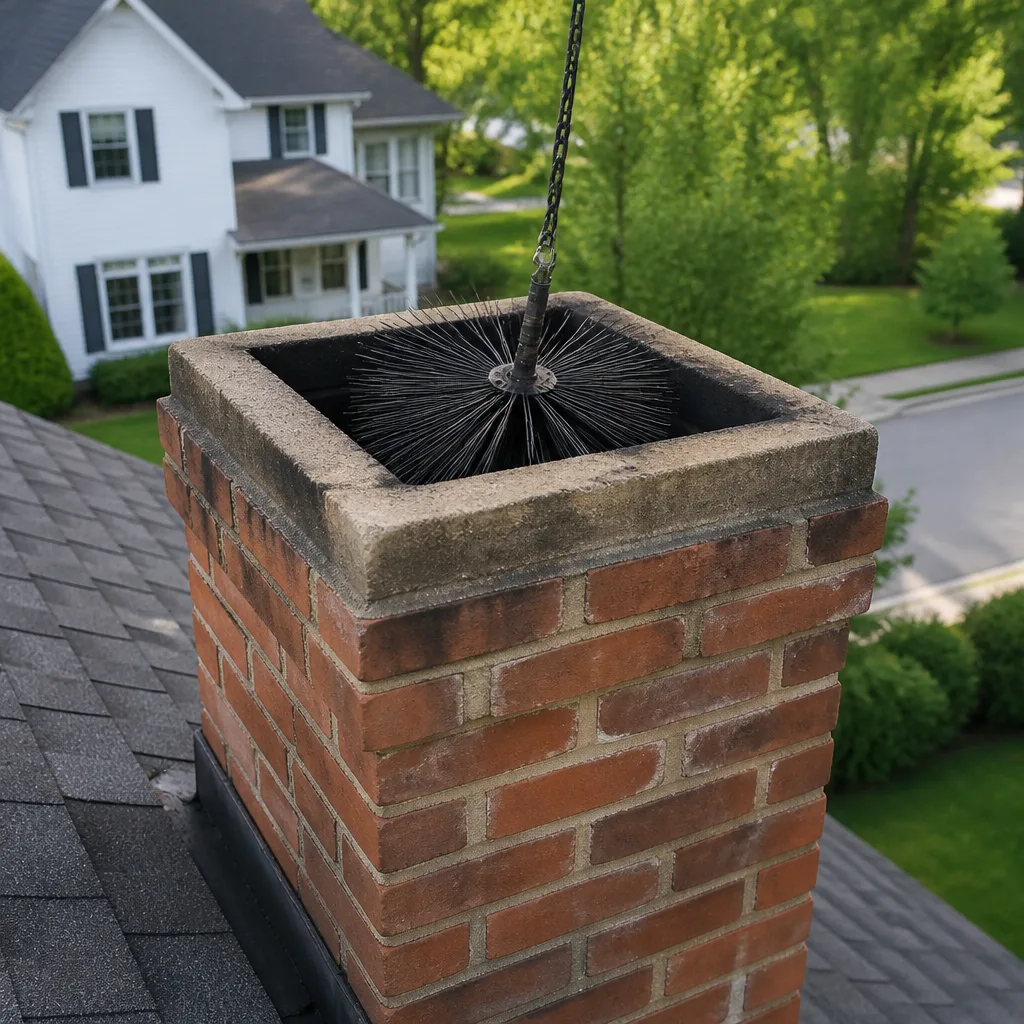 Sweep & inspection
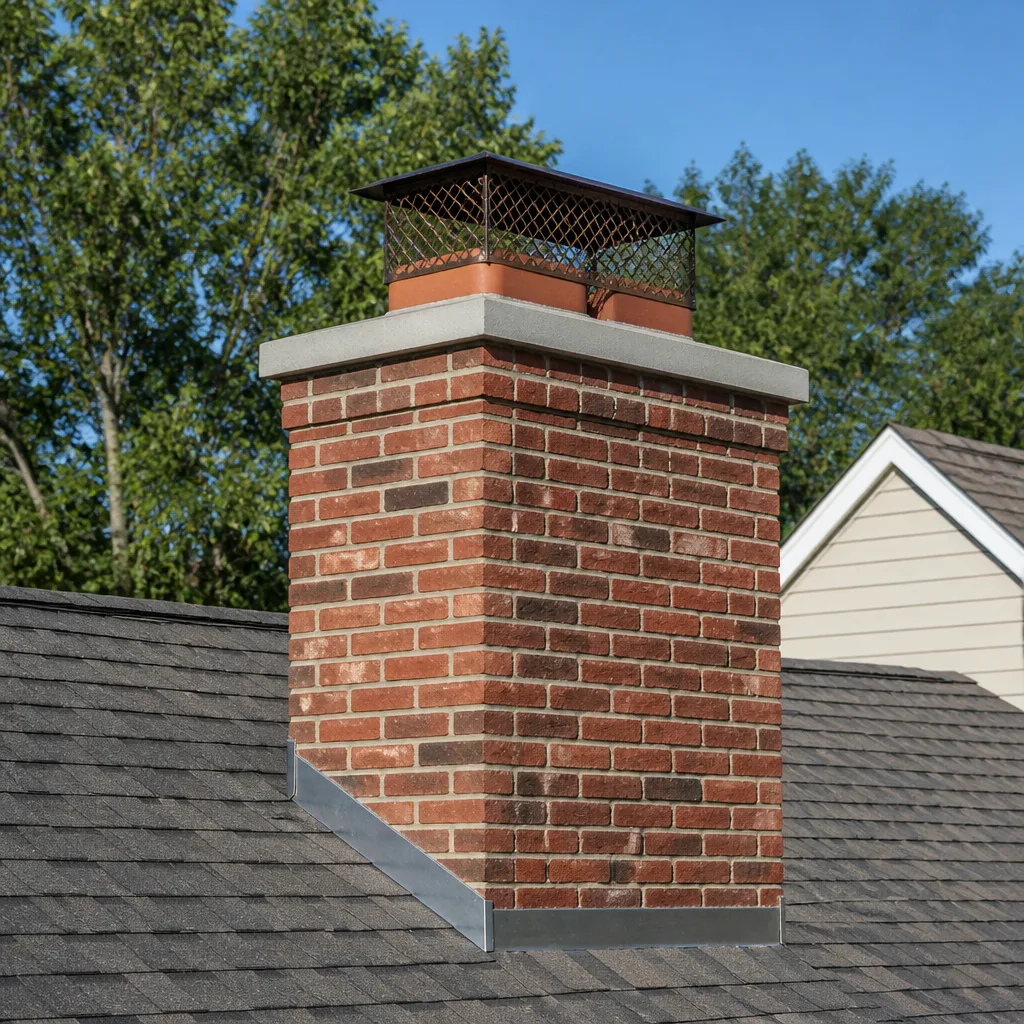 Caps & crowns
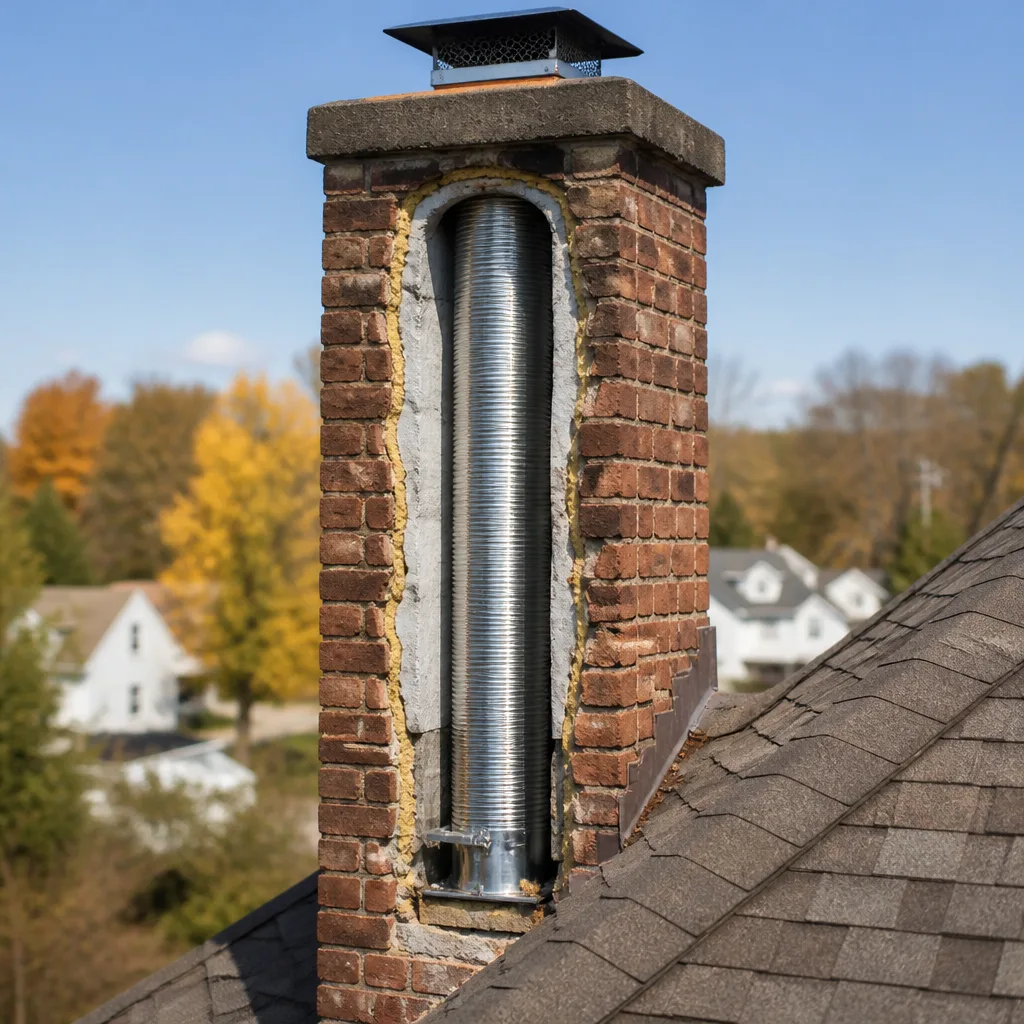 Flue relining
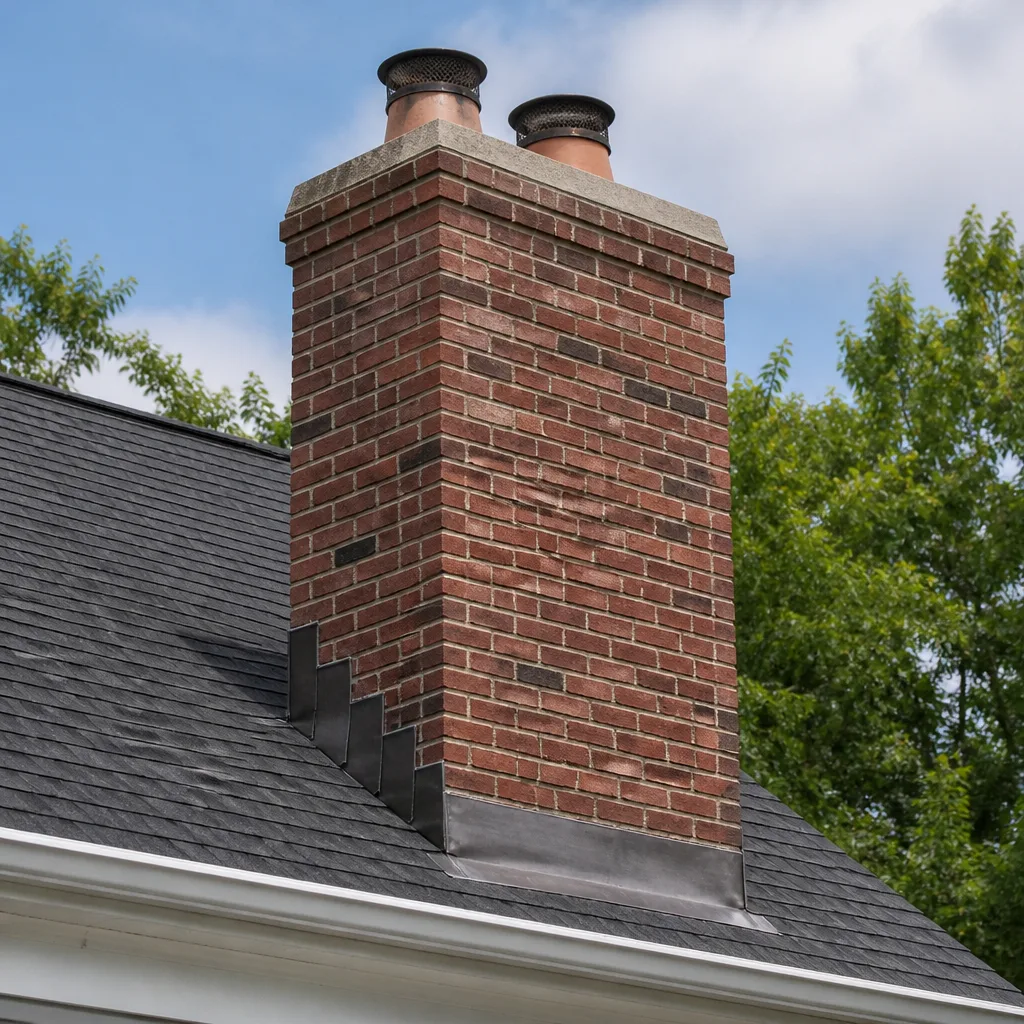 Masonry repair
 Gas fireplace service
Level 1 sweep and inspection to the NFPA 211 annual standard - flue, crown, cap, and flashing checked and photographed
Chimney sweep logs do not sweep chimneys. They loosen some creosote - which then falls where a brush and vacuum still have to collect it.
Chimney Cleaning Emergency Preparedness Guide for Harlem Homes
A chimney fire in a Harlem brownstone doesn’t stay a chimney fire for long. Shared masonry walls, open floor plans, and common stairwells let heat travel into adjacent units far faster than most people expect, which is why FDNY ladder companies treat chimney fire calls as structure fires rather than simple flue incidents. The first ten minutes decide whether you’re dealing with a professional sweep on Tuesday or a full building restoration. This guide covers exactly what to do in that window – how to identify a chimney fire, how to handle a carbon monoxide event, how to alert neighbors in attached housing, and what to document before anyone touches the damage. It also explains why a documented annual inspection shortens the recovery process after an emergency.
Quick Answer
In a suspected chimney fire, close the damper only after you’ve confirmed there is no CO risk, call 911, and get everyone out of the unit. Evacuation is the first priority. In a carbon monoxide event, do not close the damper – leave it open, open windows, get out, and call 911. After any chimney emergency, photograph everything and get the FDNY report number before cleanup begins. It all starts with knowing which emergency you have.
Styles & brands we work with
- Sweep & inspection
- Caps & crowns
- Flue relining
- Masonry repair
- Gas fireplace service
Table of Contents
- Understanding Chimney Emergencies in Dense Harlem Housing
- Chimney Fire: How to Identify It in the First 60 Seconds
- Carbon Monoxide Events: Why Closing the Damper Is the Wrong First Move
- Alerting Neighbors in a Harlem Brownstone
- What to Document After the Emergency – Before Any Cleanup
- How Annual Inspections Shorten Post-Emergency Recovery
- Preparing Before the Heating Season
- Common Mistakes to Avoid
Understanding Chimney Emergencies in Dense Harlem Housing
Urban chimney emergencies are a different animal from a chimney fire in a detached house. In a typical brownstone or row house on a Harlem block, your chimney shares masonry with your neighbor’s. The flue tiles may be original to the building. The stack runs alongside or through shared walls, and the roof is often accessed through a hatch rather than a direct stair, which means emergency access and inspection run through interior spaces rather than over open ground.
When a chimney fire burns hot, radiant heat transfers through solid masonry. In a row house, that masonry is often the same wall the neighboring unit’s fireplace is built into. Heat traveling through shared brickwork can reach adjacent framing, wood lath, and floor joist ends in minutes. This is why the FDNY responds to chimney fire calls as structure fires in Harlem – the call starts as “chimney” and is scoped as “building” because the risk profile demands it.
Two other Harlem-specific factors matter:
- Draft behavior. Tightly weatherized apartments with modern windows and retrofitted insulation can create negative pressure that interferes with chimney draft, pulling smoke and combustion byproducts back into living space.
- Age of flue systems. Many pre-war rowhouses in Harlem still run their original clay-tile liners. Those tiles spall and crack over time; a deteriorated liner is the single most common reason a routine fire becomes an emergency.
None of this is meant to make you fearful of burning a fire. It’s meant to frame the response. You need to know what you’re dealing with before you make a decision in a smoky stairwell at 9pm.
Chimney Fire: How to Identify It in the First 60 Seconds
Chimney fires fall into two classes: the dramatic kind and the quiet kind. The dramatic one announces itself. The quiet one can burn for ten minutes and only show up as heat radiating from the chimney breast. Both are dangerous in a Harlem row house.
What a chimney fire sounds like:
- A low roaring sound inside the flue, often compared to a distant freight train
- Loud popping or cracking – the sound of creosote expanding and igniting inside the chimney
- A low rumble that continues even after you close the log rack door
What a chimney fire looks like:
- Dense smoke or visible flame coming from the chimney top (check from the street or a window, never from the roof)
- Sparks or glowing debris falling near the roof line
- Discolored, warped, or glowing metal chimney parts inside the unit
What a chimney fire feels like:
- Heat radiating through the chimney breast or the wall next to the fireplace
- Heat on the flue pipe that stays hot far longer than the fire below should justify
If you see, hear, or feel any of the above, here is the immediate sequence.
The first ten minutes of a chimney fire
- Stop adding fuel. Do not add water to the firebox. Water on a 1,000°F flue tile can crack it, and the steam can drive smoke and hot gases back into the room.
- Close the damper. This reduces oxygen into the flue and is the correct move when there is no carbon monoxide risk. See the CO section below if you smell combustion gases in the living space.
- Call 911. Say “chimney fire, occupied rowhouse.” The dispatcher needs that to route the right ladder company.
- Evacuate the unit. Walk out, keeping doors closed behind you.
- Alert neighbors. Knock on adjacent doors, especially the unit on the other side of the shared wall. See the neighbor-notification section.
- Do not go on the roof. This is the most common injury scenario we hear about. Stay off the roof.
Carbon Monoxide Events: Why Closing the Damper Is the Wrong First Move
Carbon monoxide is the chimney emergency people misread. A chimney that is blocked, cracked, or backdrafting can vent combustion gases into the room with no visible fire, no roaring sound, and no obvious smell. The symptoms often look like a flu coming on – headache, dizziness, nausea, confusion, or unusual sleepiness in more than one person in the same room. In a Harlem apartment, those symptoms in a family are one of the highest-signal warning signs of a CO event.
In a CO scenario, the response is different from a chimney fire. Here is the sequence.
- Do not close the damper. This is the critical difference. Closing the damper traps gases inside the flue and can worsen the backdraft if the chimney is blocked. Leave it as-is.
- Extinguish the fire safely if you can do so without delay. Close the firebox doors. If a fire extinguisher rated for the fuel is available and the fire is small, use it; otherwise leave the fire and prioritize evacuation.
- Open a window or exterior door on your way out. This brings fresh air in and gives you a vented path out.
- Get everyone out, including pets. Do not stop to gather belongings.
- Call 911 from outside. Stay outside. Do not re-enter.
- Account for head count. If anyone is unresponsive or confused, tell the dispatcher. CO hits children, older adults, and anyone asleep hardest.
A CO alarm is your early-warning system, and a working alarm on every level of a multi-floor Harlem apartment is not optional. If yours is beeping, treat it as real until proven otherwise – gas readings from a chimney can be intermittent depending on wind, pressure, and fire state, which is exactly why the alarm matters more than your nose.
We use a camera inspection in these scenarios because the cause is often invisible – a cracked flue tile, a masonry blockage, a bird nest, or a collapsed liner section. The camera shows it in a way every resident and every insurance adjuster can see.
Alerting Neighbors in a Harlem Brownstone
In a detached house, the emergency stays in your unit. In Harlem row houses, brownstones, and large pre-war buildings, it doesn’t. Shared masonry walls transfer heat. Common stairwells move smoke. A chimney fire on one side of a shared wall can radiate heat into the neighboring unit’s wall cavity well before the fire itself is visible there.
Here’s how to alert neighbors without wasting minutes.
- Knock on the adjacent door on the shared-wall side first. If you live in a middle unit, that means both sides. If you’re an end unit, that means the interior side.
- Say “chimney fire, please leave the building” – short and specific. “There’s a fire” is vague. “Chimney fire” tells them what the FDNY is coming for.
- If nobody answers after two knocks, move to the next door. Don’t wait. The fire department will conduct a full search of adjacent units and the common areas when they arrive.
- Tell the fire department which units you knocked on and which were empty. This is quick information they need to plan interior checks.
When the FDNY arrives at a chimney fire in an attached Harlem building, expect them to check adjacent units and the shared wall line. They may open sections of wall or pull base trim in the neighboring unit to look for heat extension. That work is standard and should not be stopped, even if it looks invasive. It’s how they confirm the fire hasn’t traveled.
Afterward, the fire marshal will likely want to look at the chimney itself. That inspection is part of the report, and it matters for your insurance claim. Keep the report number.
What to Document After the Emergency – Before Any Cleanup
Cleanup is the thing everyone wants to do first, and it is the worst thing to do first if you plan to file an insurance claim. Before a broom touches anything, get the evidence down.
What to photograph, in this order
- The chimney exterior. From the street if you can – the top, the flashing, the cap, the crown. Include wide shots and close shots of any visible damage.
- The firebox and damper. Before cleanup. Charring, cracked tiles, warped metal, soot patterns.
- The chimney breast wall. Interior photos of the wall next to and above the fireplace, on both sides if you’re in an attached unit.
- Any smoke or water damage in the unit – walls, ceiling, floors, furnishings. Wide shot, then close shot.
- Any damage to neighboring units if you can be present with permission. Photograph your side of any shared wall from inside your unit.
- Serial and model numbers on the appliance if a wood stove, insert, or gas device is involved. This is what insurance needs to scope a replacement.
What to get in writing
- The FDNY report number and the responding company. Ask for the report number before they leave. Insurance will ask for it.
- The fire marshal’s determination if one is made on scene. Get the marshal’s name and unit in writing if possible.
- Business cards and job numbers from any responder or utility. Small details get forgotten when a claim is filed weeks later.
What not to remove: Do not let a contractor begin demolition, remove charred materials, or “clean up” the firebox, flue, or chimney interior before an adjuster has seen the damage. This is the single most common way homeowners lose claim value. It’s also worth noting that some restoration crews will pressure you to start work immediately. Take pictures first, and get the adjuster scheduled before anyone pulls a single piece of damaged material.
How Annual Inspections Shorten Post-Emergency Recovery
The least obvious reason to maintain your chimney is not prevention – it’s recovery. A documented annual chimney inspection creates a baseline that speeds up insurance claims and contractor scoping after an emergency. That baseline costs a fraction of what an undocumented loss costs to negotiate.
Here’s the concrete argument.
- Insurance adjusters need to distinguish pre-existing problems from fire damage. Without documentation, an adjuster may assume a cracked tile, a deteriorated liner, or a spalled crown was caused by the fire and exclude it from coverage, or the reverse – attribute a fire cause to a pre-existing condition and deny on that basis. A prior inspection report with photos assigns each condition to the correct category.
- Contractors scoping repair need to know what the chimney looked like before. A flue tile with a documented hairline crack from two years ago is a known condition. A flue tile with the same crack after a fire is a claim item. The document makes the difference.
- CCTV documentation is the currency here. A Level 2 inspection with a camera inside the flue produces photos that show the actual condition of the liner, the smoke chamber, the damper, and the crown from the inside. Photos of the interior flue taken before an emergency are the single most useful document in a claim file.
For older Harlem buildings, the flue system often predates the appliances currently connected to it. A camera record of the liner condition is the fastest way to know whether you’re looking at a liner restoration using a HeatShield ceramic system, a DuraFlex stainless relining, or a repair – and to negotiate that decision with your insurer using evidence rather than opinions. You can read more about documented repairs on our chimney repair page.
Here’s what we actually recommend to a Harlem homeowner who has never had an inspection: start with one Level 2 inspection, keep the report and the photos somewhere you can find them in two years, and repeat it before each heating season. That single habit is the difference between a claim that closes in weeks and one that drags on for months.
Preparing Before the Heating Season
Pre-season prep is not a marketing message. It’s a specific, small set of steps that determines whether the first cold weekend of October or November is a cozy fire or a call to 911. In Harlem, where heating is often building-wide and chimney access is shared or restricted, the window to get ahead of it is narrow.
Before the first burn of the season
- Test the CO alarm on every level. Replace the battery. If you don’t have one on the sleeping floor, add it now. This is the single highest-value item on the list.
- Check for obvious obstructions in the firebox. A nest, a fallen brick, or a pile of leaf litter in the firebox or directly above the damper is a warning sign that something got in.
- Look at the cap and crown from the street. A missing or damaged cap lets water and wildlife in. A cracked crown lets water into the masonry, which is the leading cause of chimney deterioration. If either is questionable, schedule a chimney cap & crown review.
- Confirm draft on the first burn. Light a small test fire, watch the smoke, and confirm it rises cleanly. If smoke curls back into the room, stop. That’s a pressure, blockage, or liner problem that needs to be looked at before you use the fireplace routinely.
- Book the sweep before you plan the first fire. A routine chimney sweep in Harlem clears creosote and gives the technician a chance to spot problems that a resident can’t see.
- Know where your damper control is and how it moves. If it is stuck, seized, or rusted, get it looked at before an emergency, not during one.
We recommend checking the roof and the chimney stack after any significant storm. In Harlem row houses, a storm that passes without a visible issue outside can still have loosened flashing or shifted a masonry cap, and the damage often shows up during the first heavy rain of the season.
Monitoring a Chimney Between Sweeps
Between professional visits, a few habits catch problems early. None of these replace a camera inspection, but each one tells you when to call.
- Watch for smoke in the room. Smoke that drifts back into the room with a clean fireplace and a closed window is a draft or liner signal. Smoke that curls toward the room only on some days can point to pressure changes, weather, or a partial blockage.
- Smell for a smoky odor inside the unit between fires. A persistent smoky smell when there’s no fire is a classic sign of a blocked flue or a backdrafting appliance.
- Look at the damper and firebox seasonally. If soot patterns change noticeably from one month to the next, note when and how. It’s useful evidence for a technician.
- Track creosote. A sweep report tells you how much creosote is building up. If the report moves up a tier year over year, the way you burn and the way the chimney drafts both need attention.
One more habit we recommend in Harlem: keep a folder, physical or digital, with your inspection reports, photo records, and any repair documentation. When an emergency arrives, you won’t be searching for it while your building is being checked by the FDNY. And when you call us at Chimney Sweep Harlem, that folder makes the first conversation faster and the estimate more accurate.
Common Mistakes to Avoid
- Closing the damper during a suspected carbon monoxide event. This is the mistake that turns a CO leak into a worse one. In a chimney fire, closing the damper helps; in a CO scenario, leave it open, ventilate, and get out.
- Going on the roof. A chimney fire may have weakened the crown, the cap, and the flue above – the exact surfaces a homeowner steps on. The fire department will inspect the stack with the right equipment. Stay inside and stay off the roof.
- Skipping the neighbor knock. In a Harlem brownstone, the unit on the other side of the shared wall is part of the emergency. Alert them and tell the fire department who was home and who wasn’t.
- Cleaning up before documenting. Charred material, soot, and displaced debris are evidence. Take the photos first, get the FDNY report number, and do not let anyone remove damaged material until an adjuster has seen it.
- Letting a restoration crew start demolition on scene. Reputable firms wait for the adjuster. A crew that pushes you to start that evening is a red flag, and once the material is gone, the claim gets harder.
- Burning wet wood or unseasoned logs. Wet wood burns cooler and creates more creosote, and creosote is what fuels chimney fires. Anyone in a Harlem apartment with limited dry storage should be honest about their wood supply.
- Treating an inspection as an upsell instead of a baseline. The camera report is what turns a claim from an argument into a document. Without a prior report, adjusters and contractors fill the gap with assumptions.
See the difference
 Before
 After
 Before
 After
 Before
 After
When to Call a Professional
Call a professional when you smell smoke indoors with no fire, when your CO alarm has sounded, when you’ve had a chimney fire even if the fire department found nothing further, when your damper is stuck, when you notice water staining on the chimney breast, or when it’s been more than a year since the last inspection. Call before you burn for the season if you haven’t done a sweep or a Level 2 inspection in that window. Call after a storm if a cap is missing or the crown looks cracked from the street.
Chimney Sweep Harlem offers free estimates in Harlem – call (833) 468-5664. We answer 24/7. Fast dispatch from 7am to 7pm, Sunday through Friday. We handle sweeping, inspection, cap and crown work, chimney repair, and fireplace repair under one company, so a diagnosis and the repair that follows it don’t wait on a second contractor. Our technicians have up to 13 years of experience. The local pro is licensed and insured as their state requires.
Frequently Asked Questions
Stop adding fuel, close the damper if there is no CO risk, call 911, and get everyone out. If you smell combustion gases in the living space, treat it as a carbon monoxide scenario and do not close the damper – leave it open, open a window, and get out. Alert the unit on the shared wall.
A chimney fire usually announces itself – roaring or popping inside the flue, dense smoke or flame at the top, or heat radiating from the chimney breast. A CO event often has no visible fire, and the symptoms look like a flu coming on. If in doubt, do not close the damper and treat it as CO. Call (833) 468-5664 after you’re safe – estimates are free.
Yes. In row houses and brownstones, shared masonry transfers heat, and the FDNY will check adjacent units for extension. Knock on the shared-wall side, tell them “chimney fire, please leave the building,” and report to the fire department which units were occupied. It’s one of the highest-value actions in the first two minutes.
Photograph the chimney exterior, the firebox and damper, the chimney breast wall, and any smoke or water damage before cleanup. Get the FDNY report number and the responding company. Do not let anyone remove charred material, flue debris, or damaged masonry until an adjuster has seen it.
Yes. A Level 2 inspection with CCTV photos creates a dated baseline that lets an adjuster separate fire damage from pre-existing conditions and lets contractors scope repair accurately. Without that record, claims take longer and are more likely to be disputed. Call (833) 468-5664 to schedule a baseline inspection – estimates are free.
Test and replace CO alarm batteries on every level, confirm draft on the first small test fire, get a pre-season sweep, and check the cap and crown from the street. If anything is missing or cracked, have it looked at before you burn regularly. All of that fits into a single visit from a technician.
The Bottom Line
Chimney emergencies in Harlem have compressed response windows because the housing stock is attached. Shared walls, shared stairwells, and pre-war flue systems mean a small chimney problem can turn into a building-level event in minutes. The first ten minutes are about the right sequence: in a chimney fire, close the damper, call 911, evacuate, and knock on the shared-wall side; in a CO event, don’t touch the damper, ventilate, and get out. Afterward, document before you clean. And before the season starts, get a documented inspection with camera photos – because the file you have before an emergency is what makes the recovery after it faster.
If you need a baseline inspection, a pre-season sweep, or a post-event assessment, call Chimney Sweep Harlem at (833) 468-5664. We answer 24/7. Fast dispatch from 7am to 7pm, Sunday through Friday. Estimates are free, and the price is set per job by the written estimate.
Written by the team at Chimney Sweep Harlem.